What is Integrated Pest Management?
Integrated Pest Management is a modern, evidence-based way to control pests. Rather than relying on routine spraying, IPM combines inspection, prevention, monitoring and targeted treatment to solve the problem and keep it solved, with the least risk to people, pets and the environment.
The Crepps IPM process
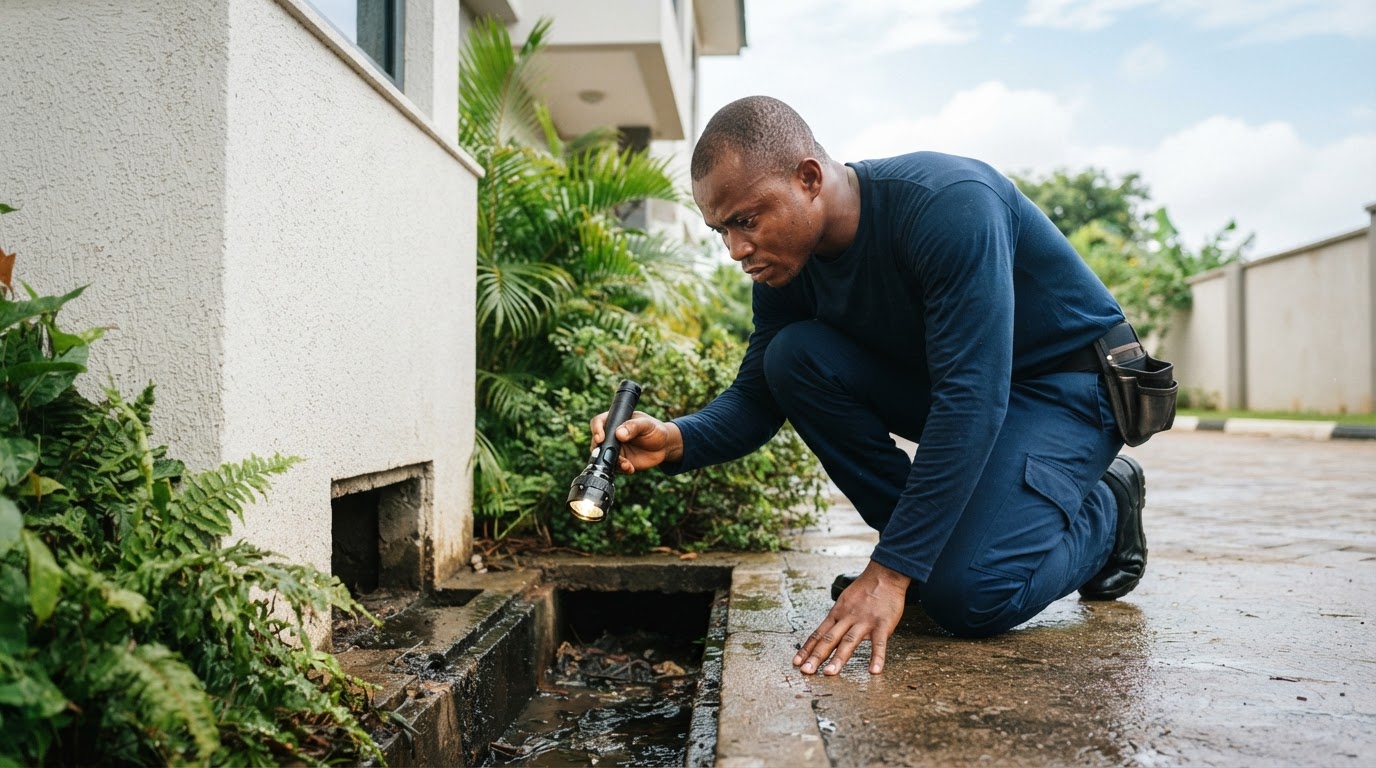
Inspection and identification
a thorough survey to identify the pest, the extent of activity, and the conditions attracting it: food, water, shelter and entry points.
Action thresholds
not every sighting needs a full treatment. We agree what level of activity is acceptable for your space, so we act when it matters and avoid unnecessary intervention.
Prevention and exclusion
often the most powerful step. We seal entry points, recommend sanitation and storage changes, and fix the conditions that let pests thrive.
Monitoring
traps, monitoring stations and regular checks give us real data, so decisions are based on facts.
Targeted control
when treatment is needed, we choose the right method for the pest and the site, starting with non-chemical methods (traps, exclusion, habitat change), then targeted low-risk products, with broader treatments only where justified.
Evaluation and reporting
we check that it worked, document what we did, and adjust the plan so results keep improving.
Why IPM works better

Treats the cause, not just the symptom
Reduces chemical use and exposure
Cuts the chance of pests returning or building resistance
Gives commercial clients the documentation auditors or regulatory bodies want
Often lowers long-term costs
Where fumigation fits
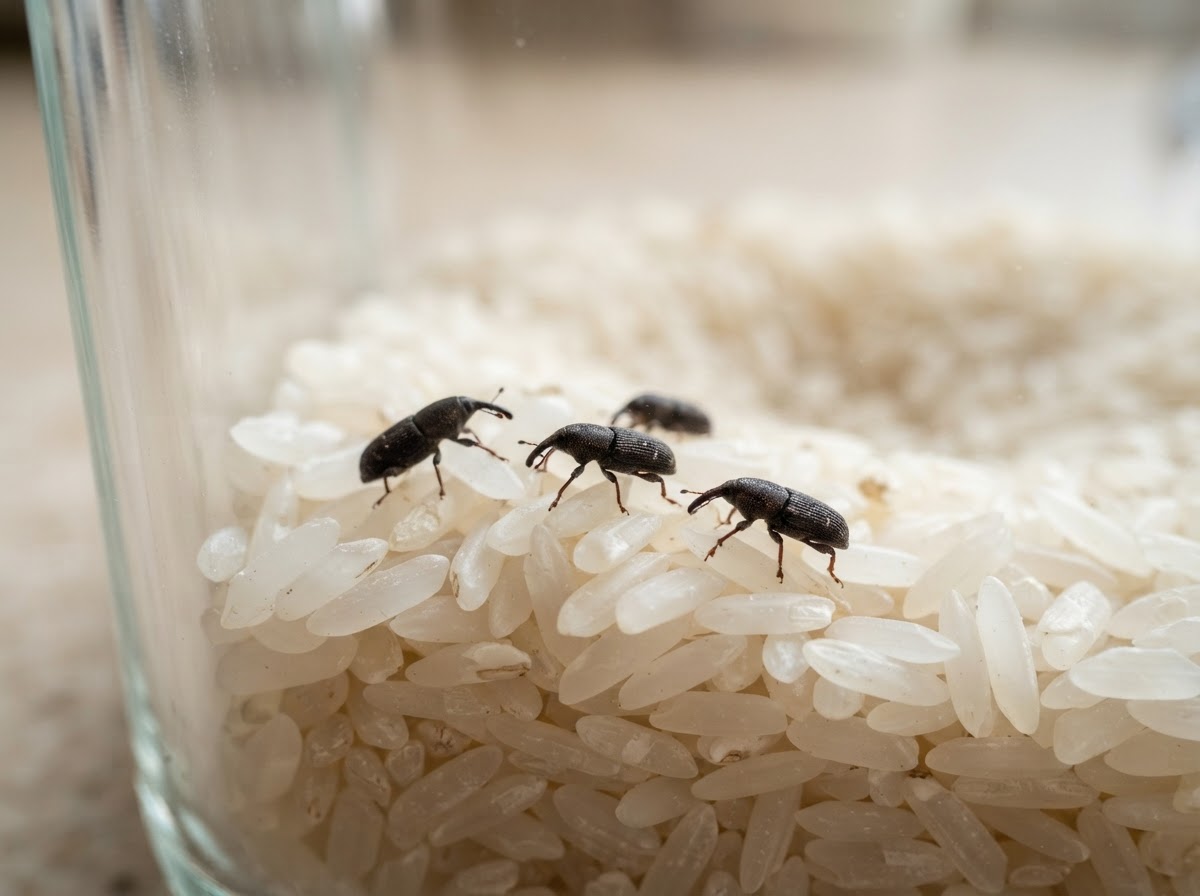
Fumigation is a powerful tool, and we use it responsibly. When an infestation cannot be controlled by other methods (for example in stored-product pests, structures or sealed spaces), our trained team carries it out in line with all safety regulations, as one part of an IPM plan and never as a default.

Beyond buildings
The same principles guide our aviation work. We help aircraft operators understand requirements, prevent insect introduction at the source, and treat only as needed, with full documentation.
Aircraft Disinsection