
Know your pest.
Every pest has its own habits, and IPM starts with understanding them. Here is what we deal with and what to look for.
35 pests in our library
Crawling and biting
Find practical guidance on crawling pests that can affect comfort, hygiene or stored belongings in Accra homes and workplaces.
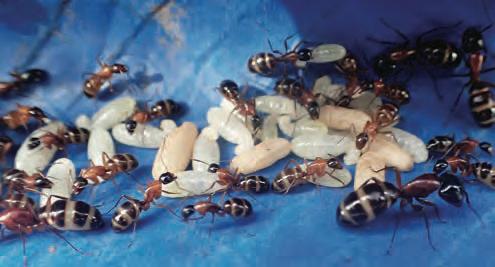
Ants
Ants form colonies and follow trails to food or water; indoors in Accra, they can become a nuisance around kitchens and stored provisions.
See more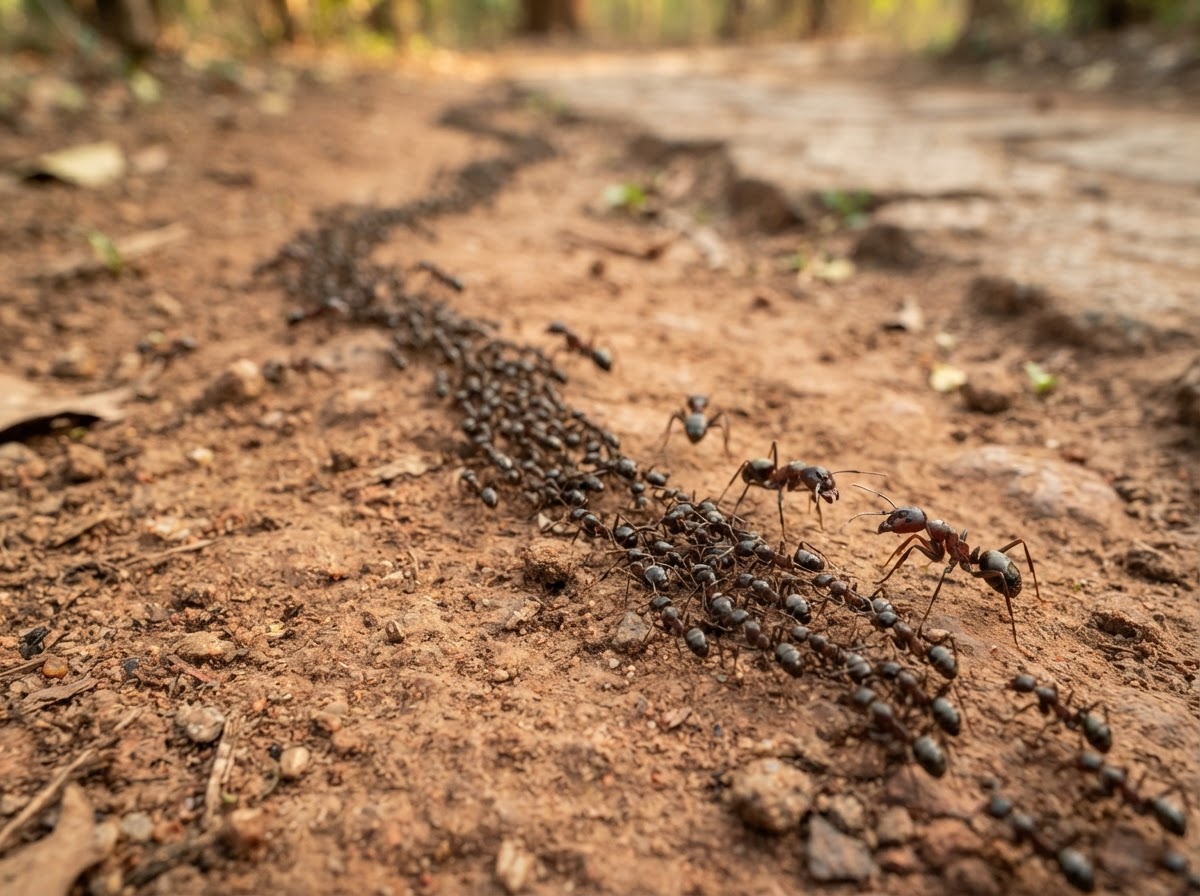
Driver ants
Driver ants, also called safari ants, move in organised columns and may pass through compounds, where their biting behaviour can concern people and pets.
See more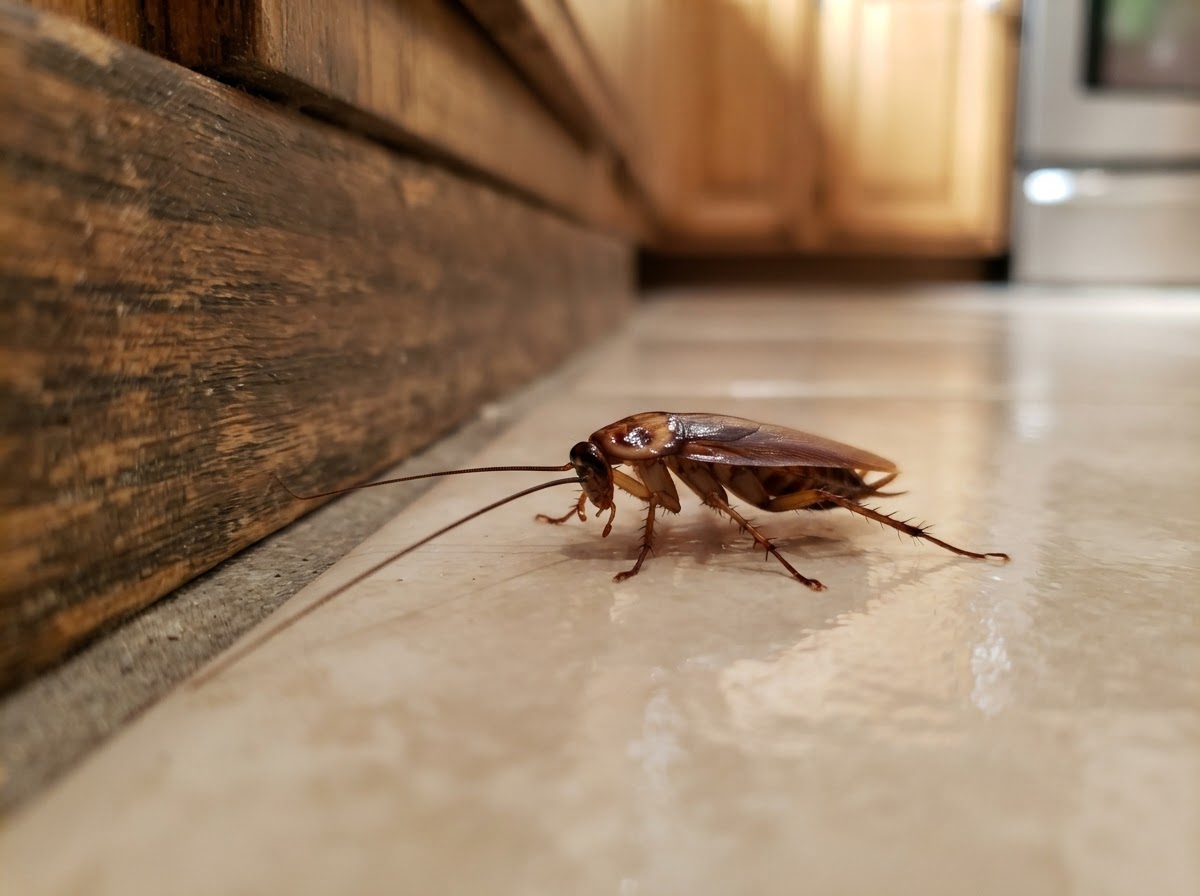
Cockroaches
Cockroaches shelter near warmth, food and moisture, often appearing in kitchens or service areas and raising hygiene concerns for Accra premises.
See more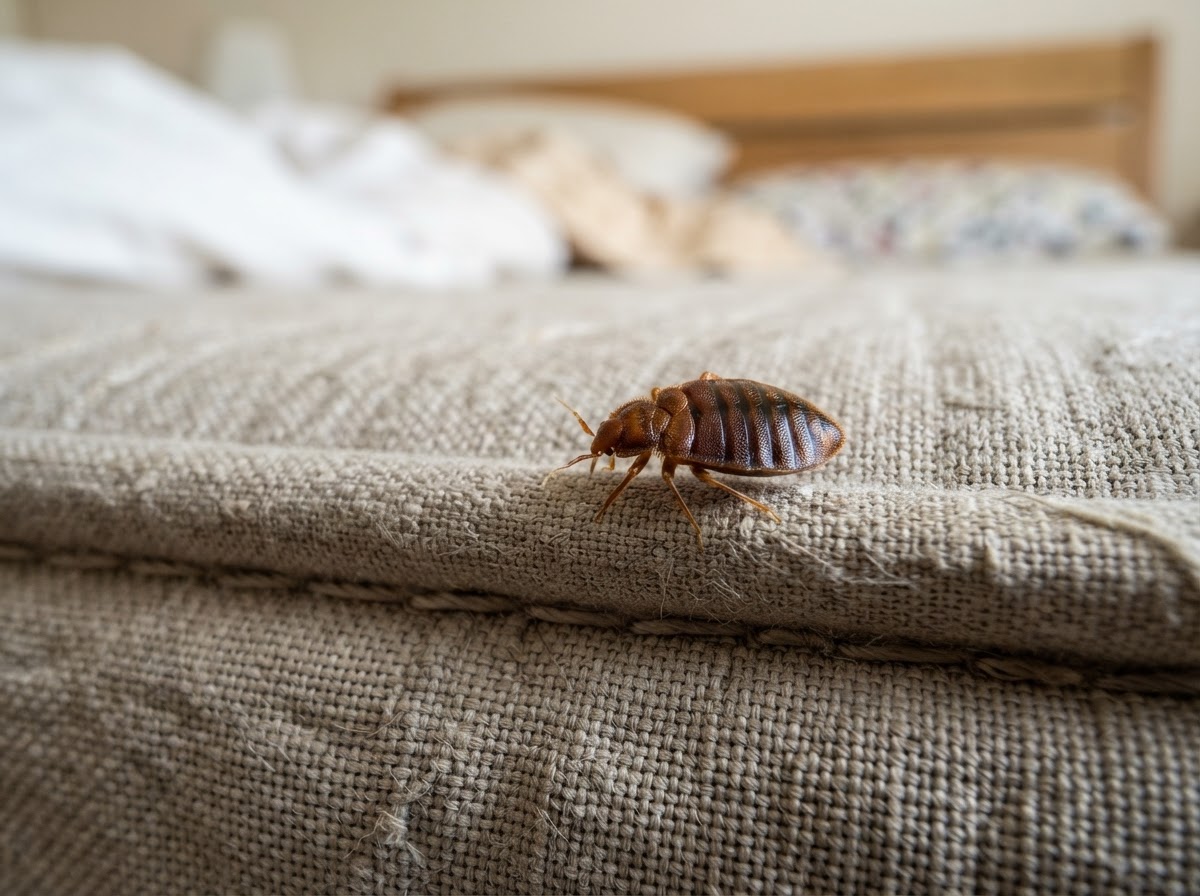
Bed bugs
Bed bugs hide close to sleeping or resting places and feed on blood; bites and disturbed sleep can affect households and guest accommodation.
See more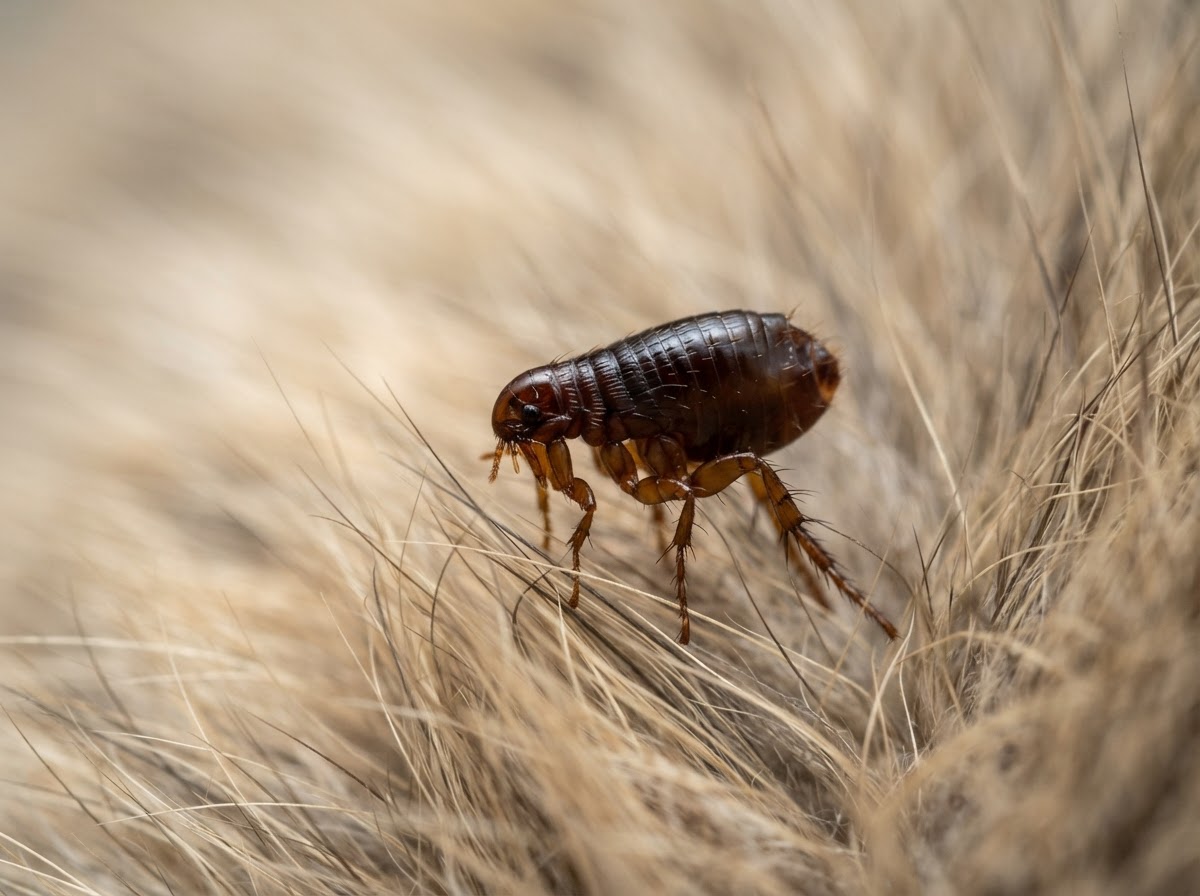
Fleas
Fleas are small jumping insects associated with animal resting places; bites and recurring activity can cause discomfort for people and pets.
See more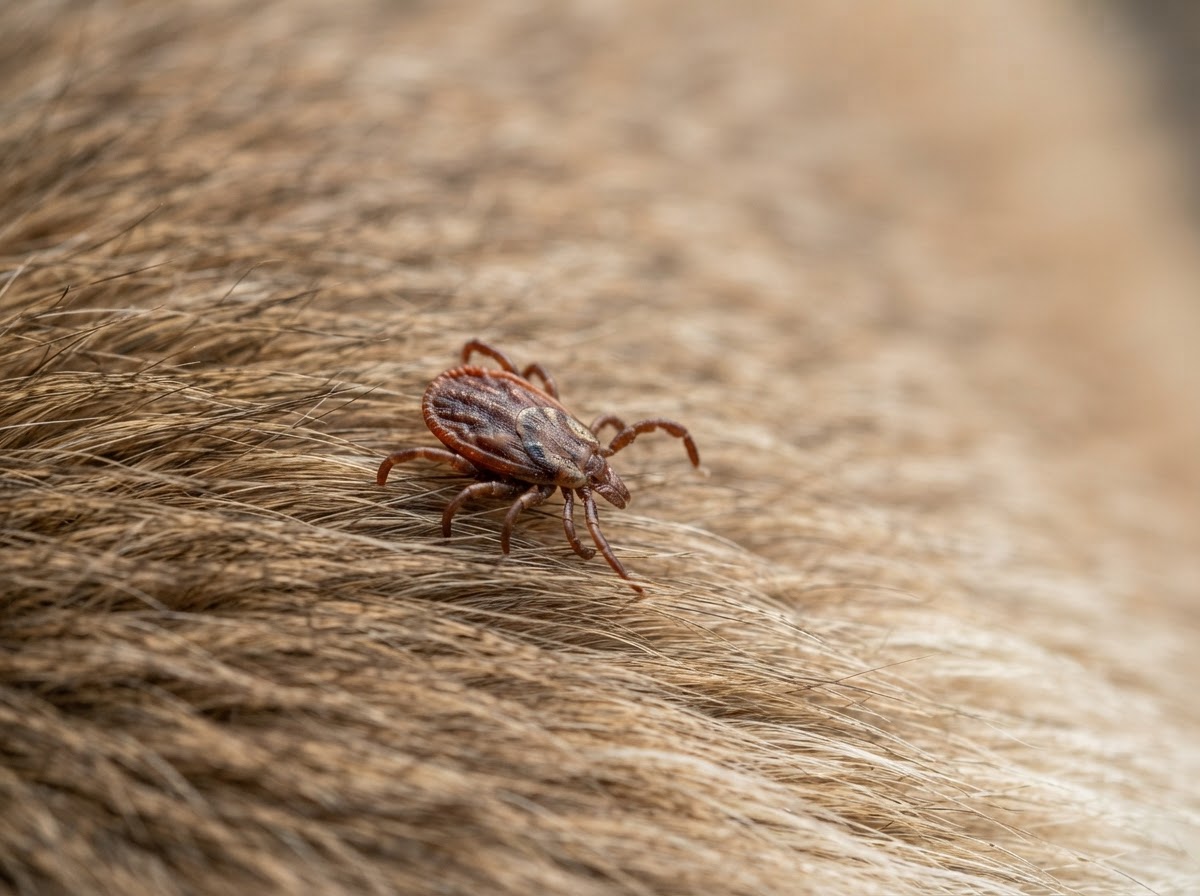
Ticks
Ticks are small arachnids that attach to people or animals to feed; finding one can prompt checks of pets and nearby resting areas.
See more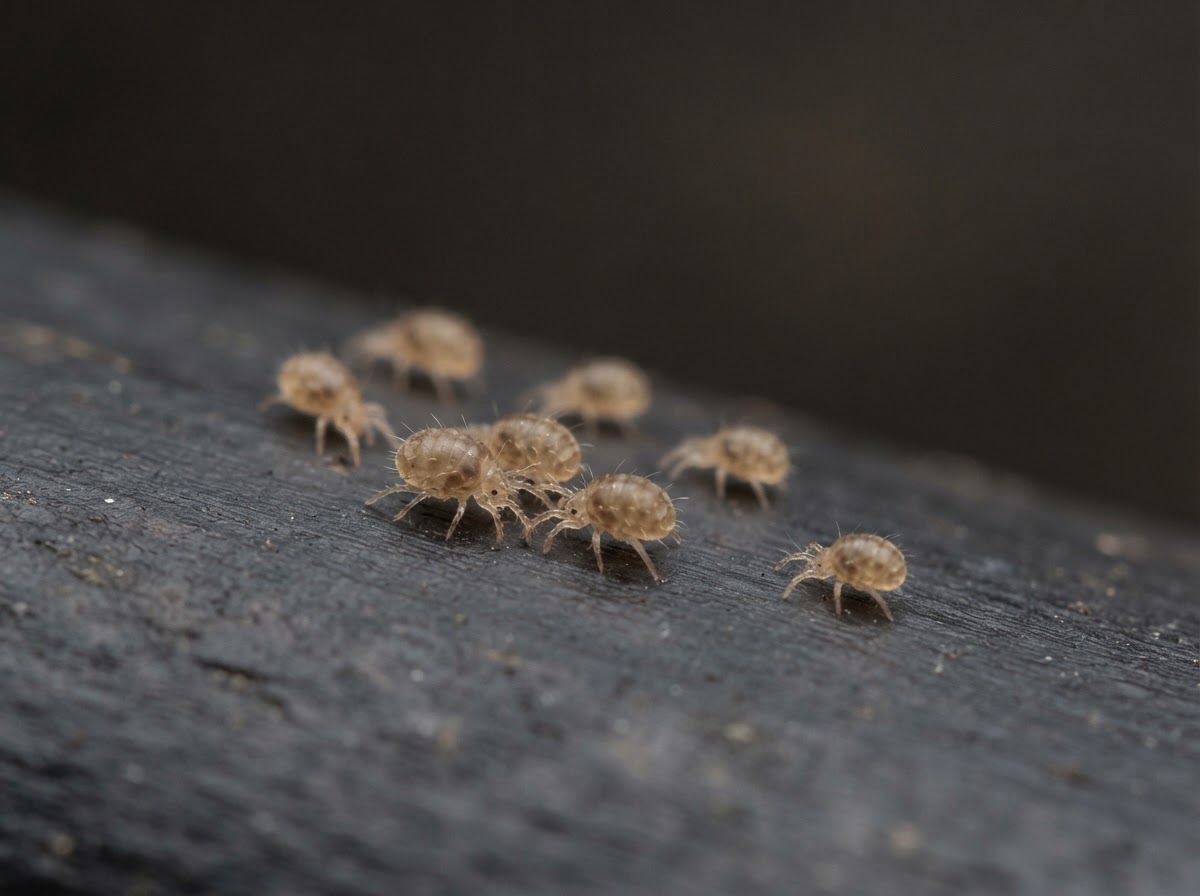
Mites
Mites are tiny arachnids with varied habits; some may affect people, animals or stored goods, so identifying the source matters.
See more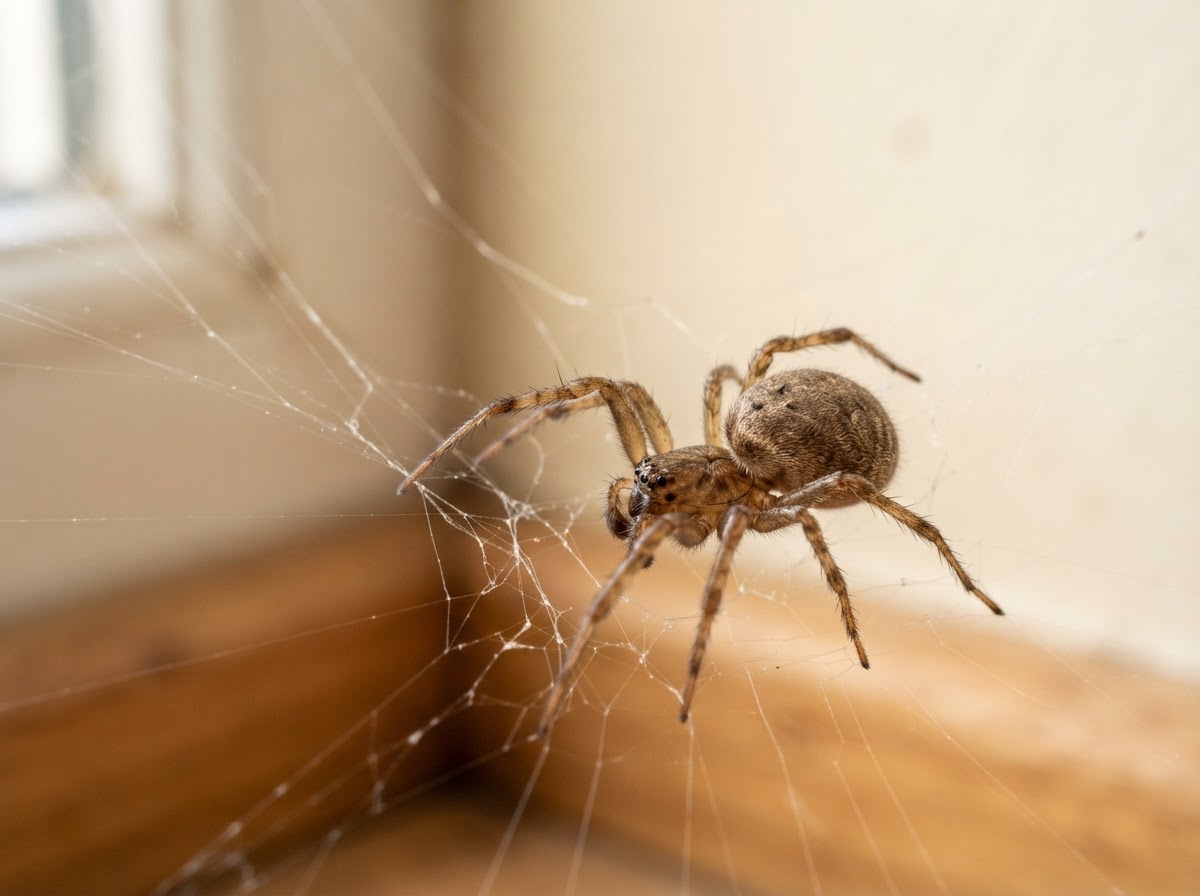
Spiders
Spiders are arachnids that feed on small creatures and may settle in quiet corners; repeated indoor sightings can unsettle occupants.
See more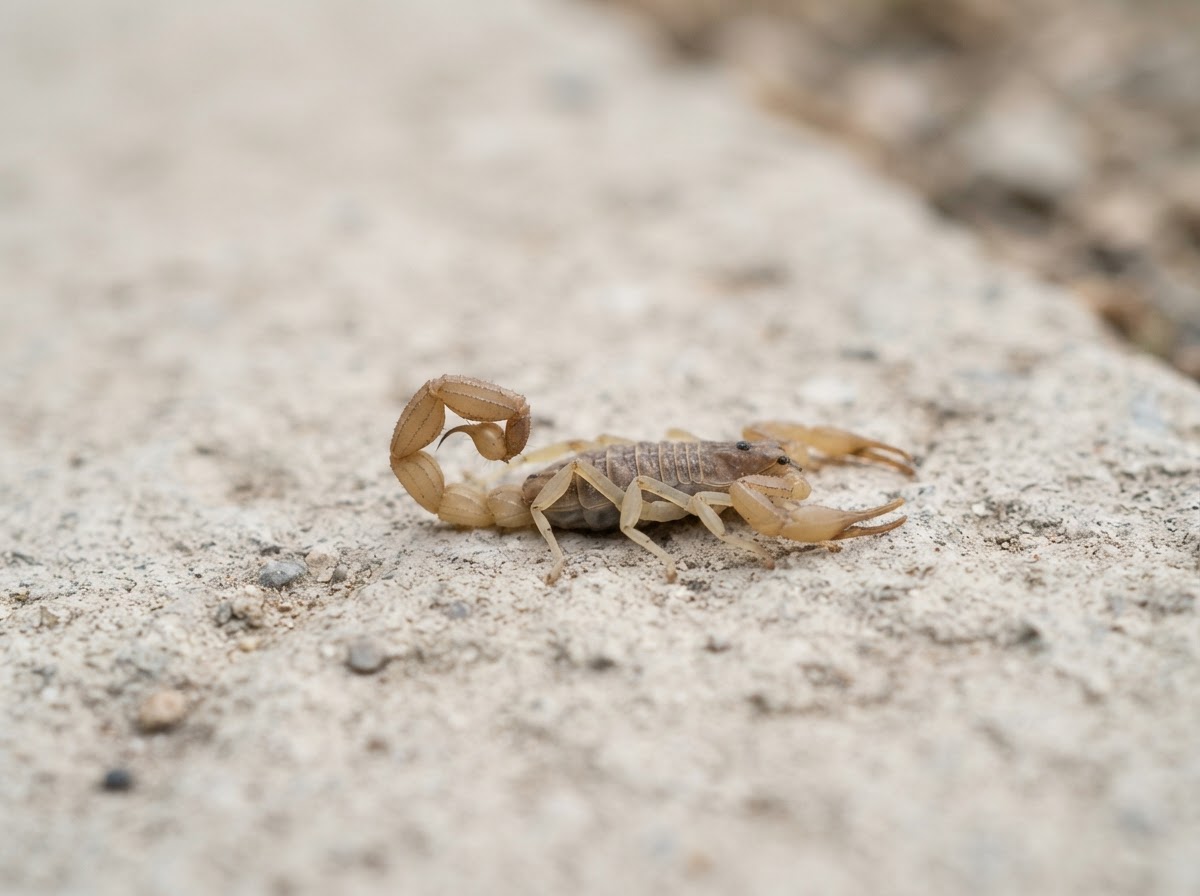
Scorpions
Scorpions are eight-legged arachnids with pincers and a tail; an unfamiliar one indoors should be left untouched and assessed cautiously.
See more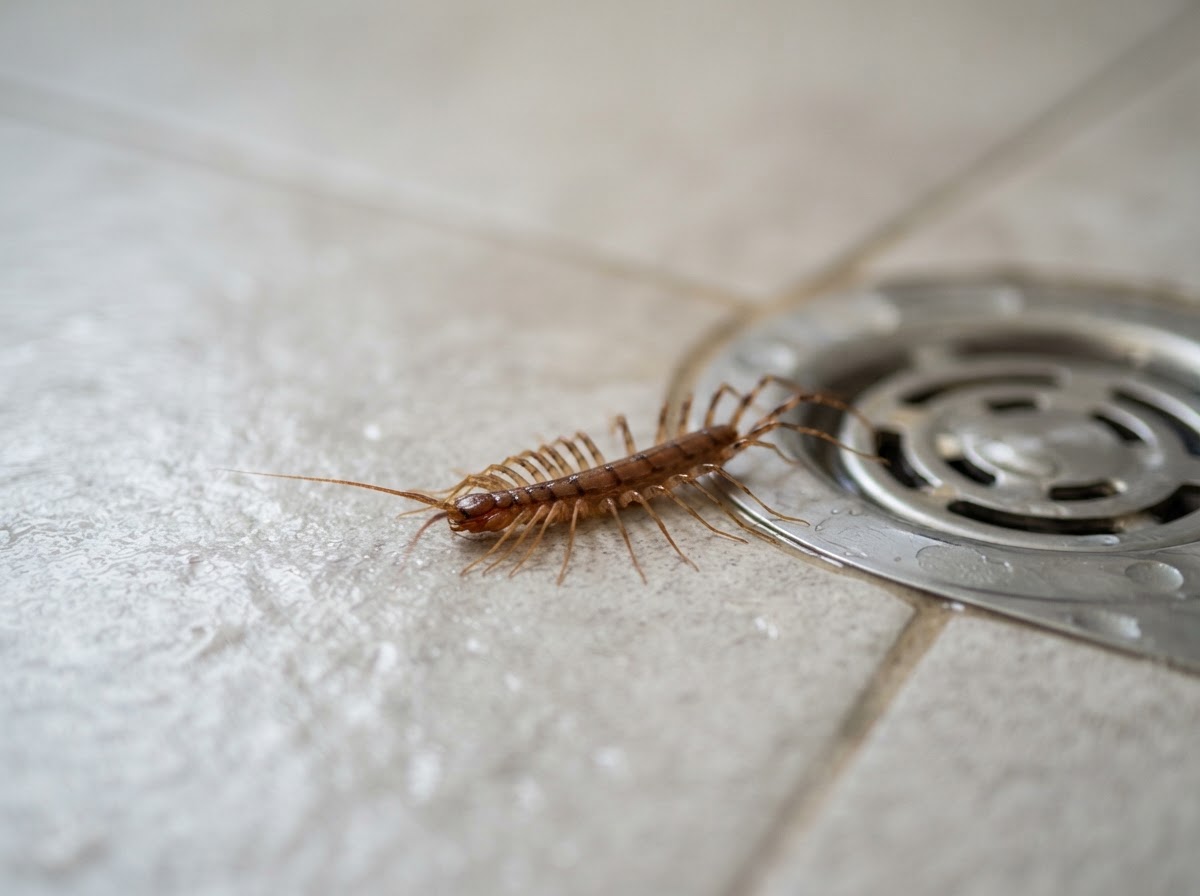
Centipedes
Centipedes are many-legged arthropods that hunt smaller creatures and favour sheltered places; some can bite if handled or disturbed.
See more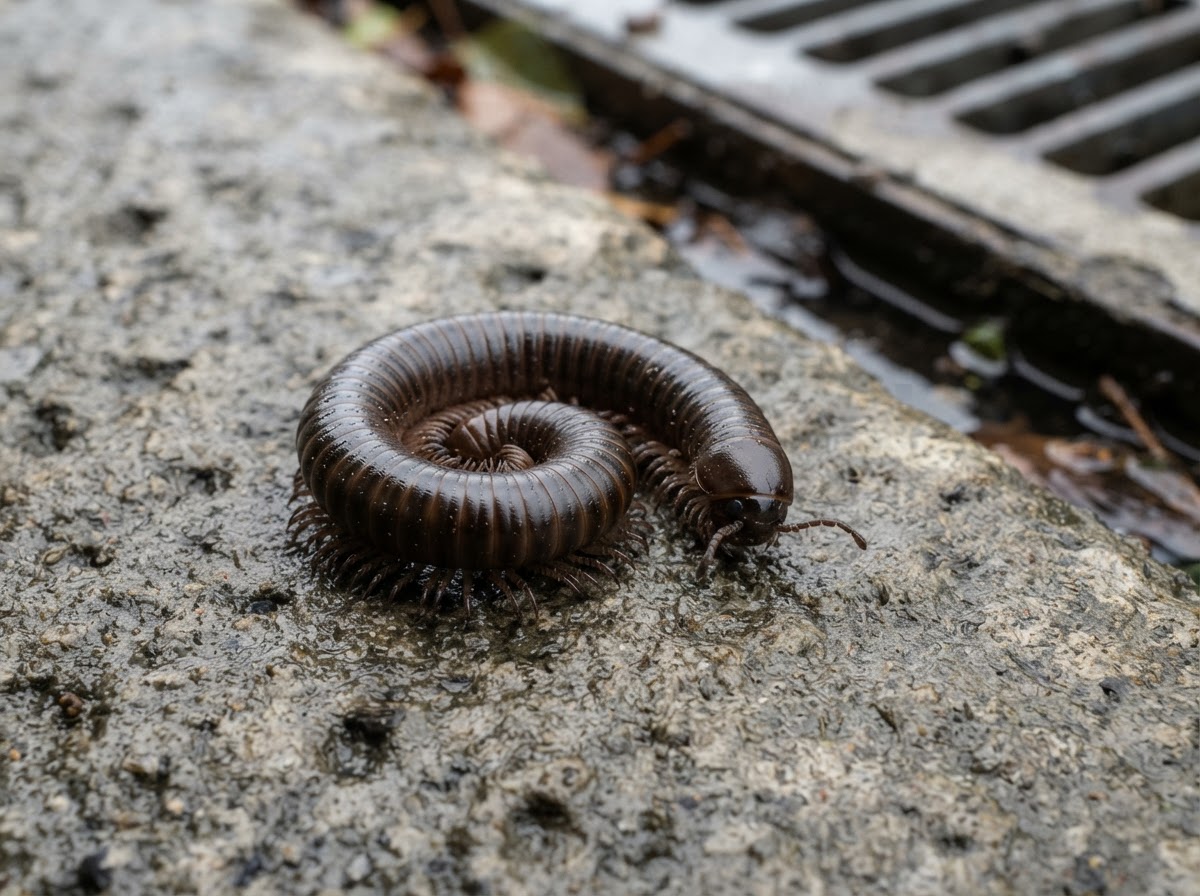
Millipedes
Millipedes usually feed on decaying plant matter outdoors; after wet weather they may enter ground-floor rooms through small gaps.
See more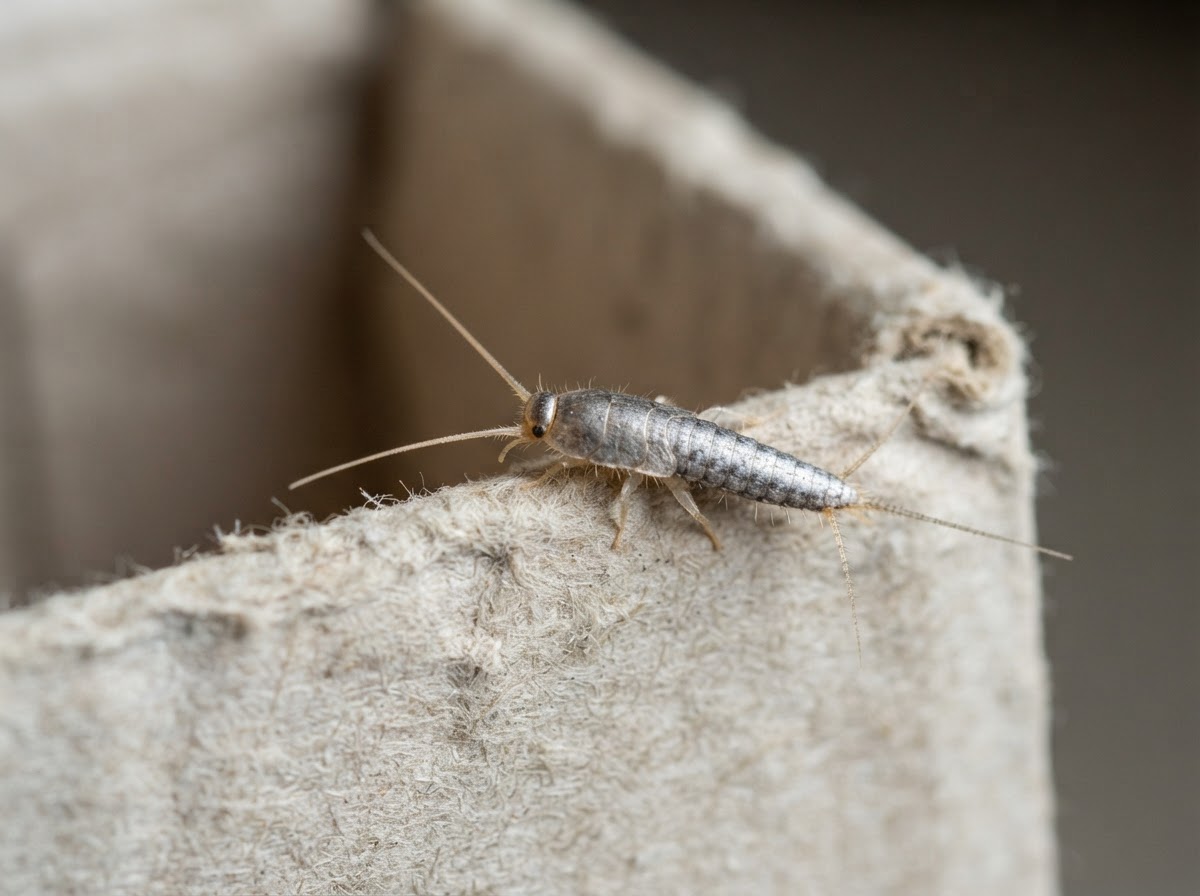
Silverfish
Silverfish are small, wingless insects that favour sheltered, often humid spaces and may feed on paper, starches or fabrics in buildings.
See more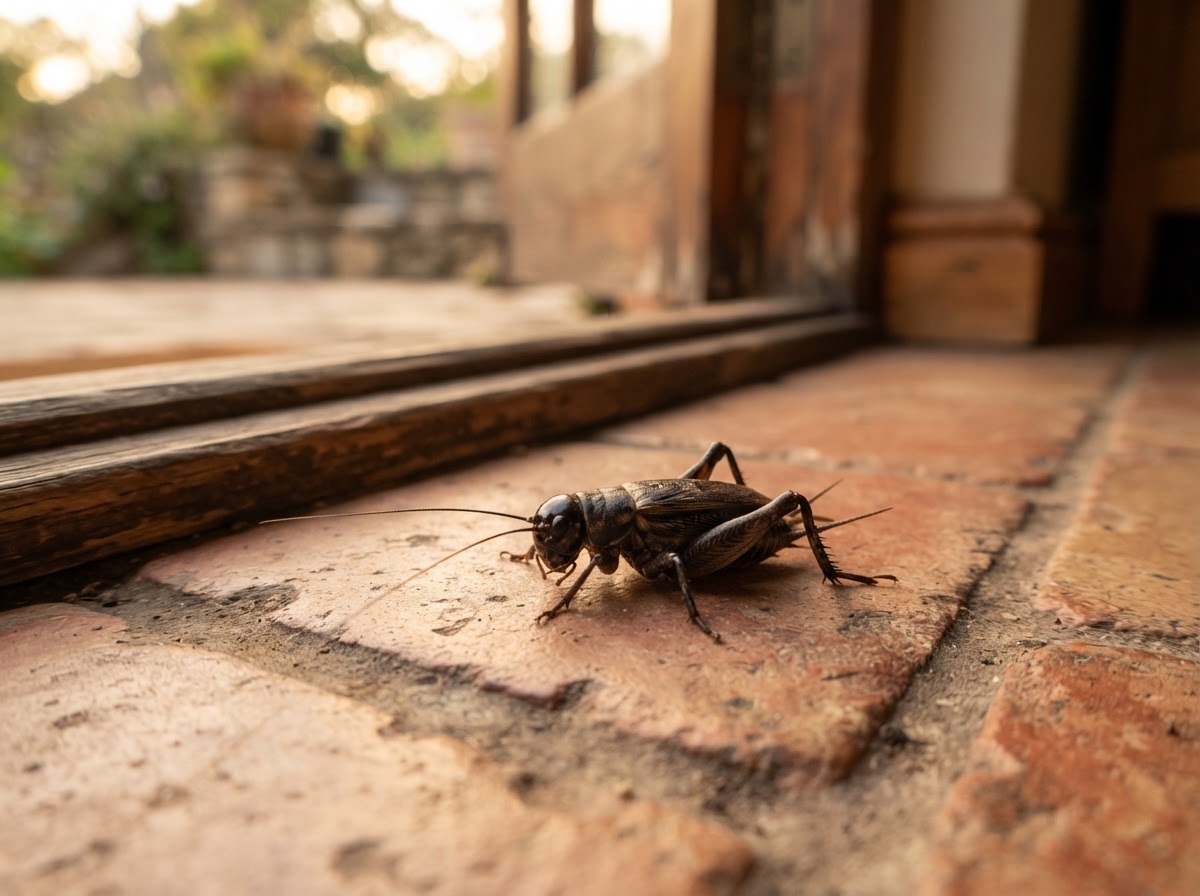
Crickets
Crickets may enter homes from gardens and sheltered outdoor spaces; chirping or repeated sightings can disturb quiet rooms.
See more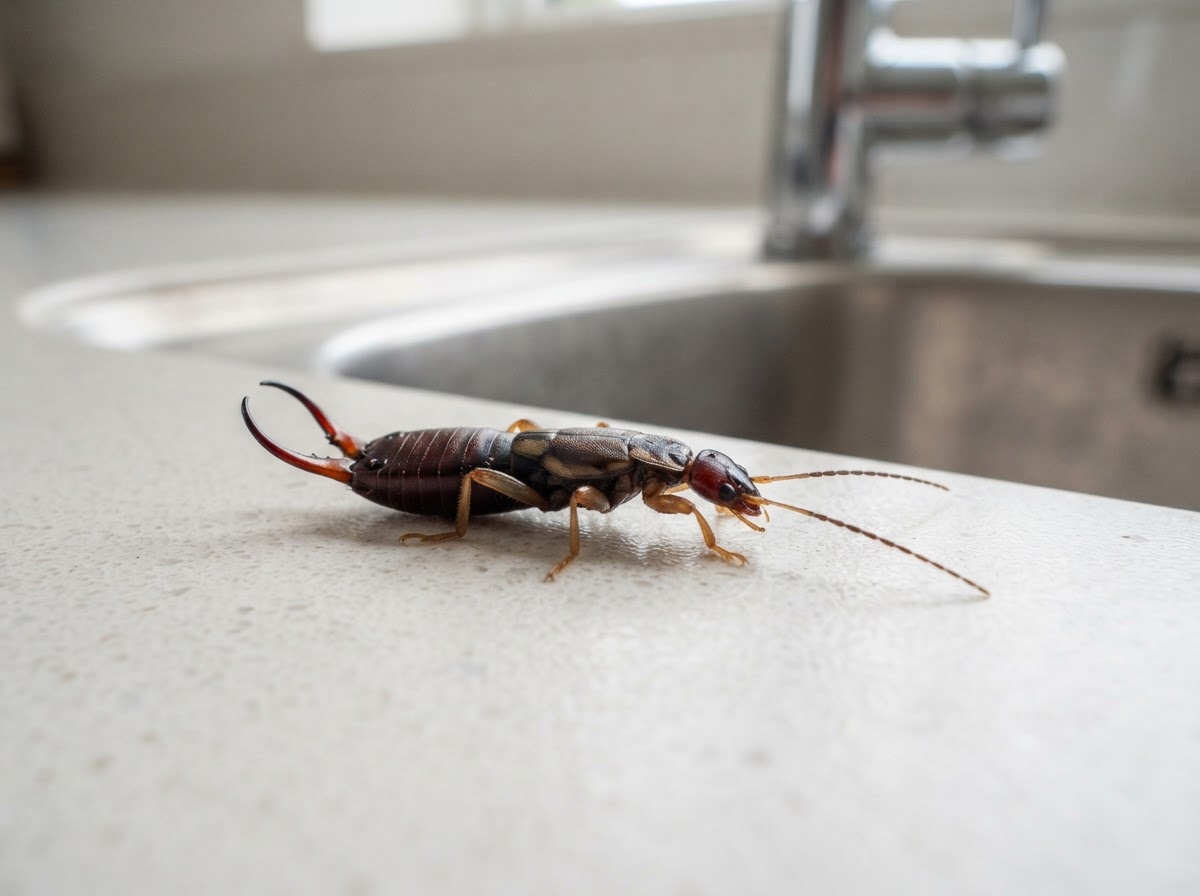
Earwigs
Earwigs shelter in damp, hidden places and may wander indoors; repeated sightings can point to nearby moisture, debris or entry gaps.
See moreFlying insects
Learn how flying insects use water, food or shelter, and when activity around homes and businesses needs attention.
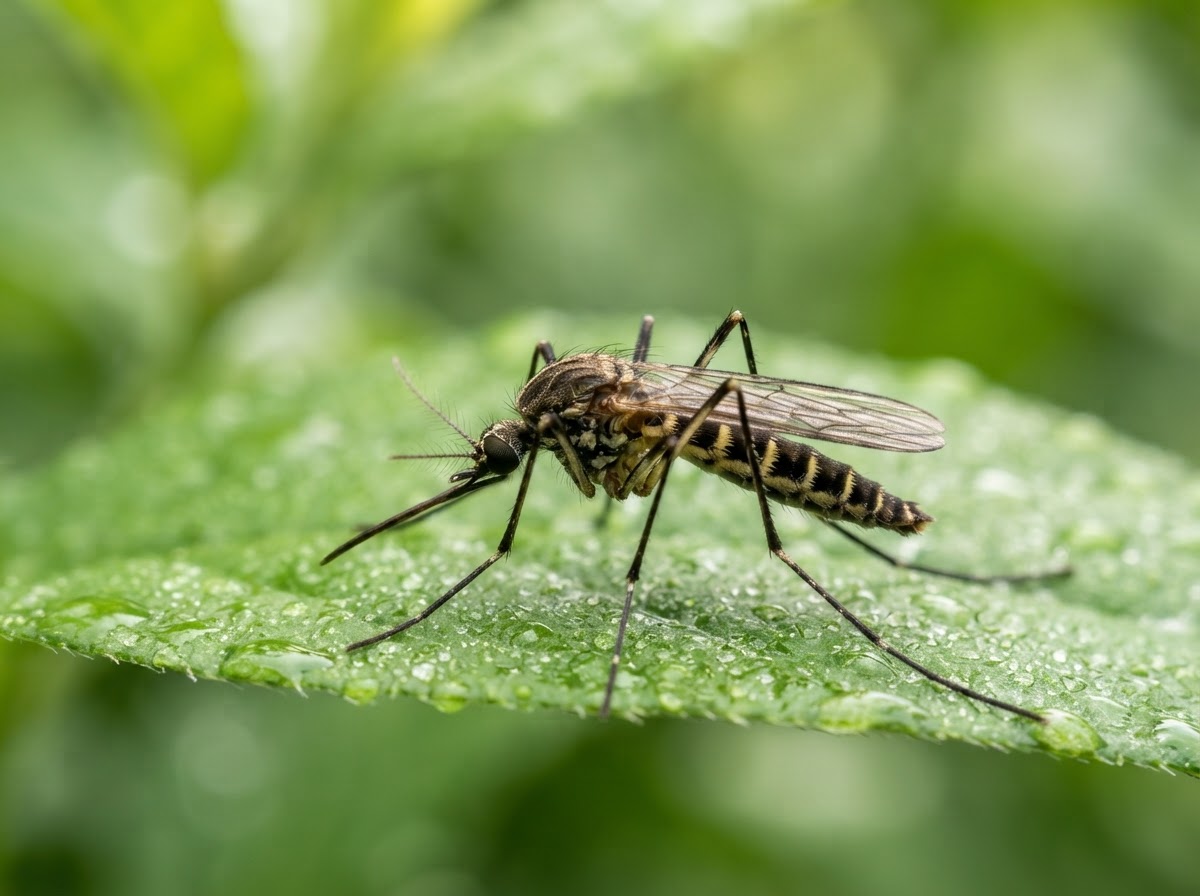
Mosquitoes
Mosquitoes develop in water and may bite indoors or outdoors; some can transmit infections, including malaria, depending on species and context.
See more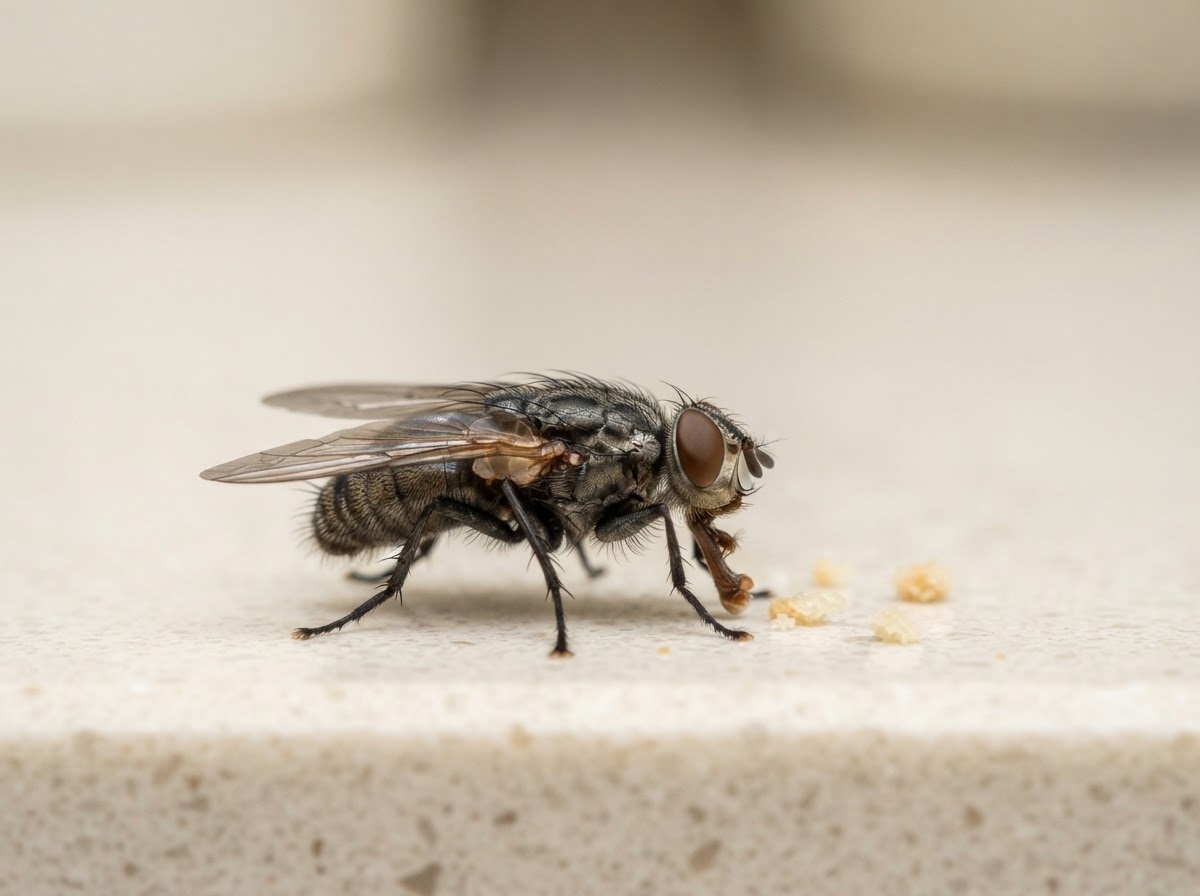
Flies
Flies gather around food, bins and drains; some can transfer germs to food or surfaces, making source checks useful for homes and businesses.
See more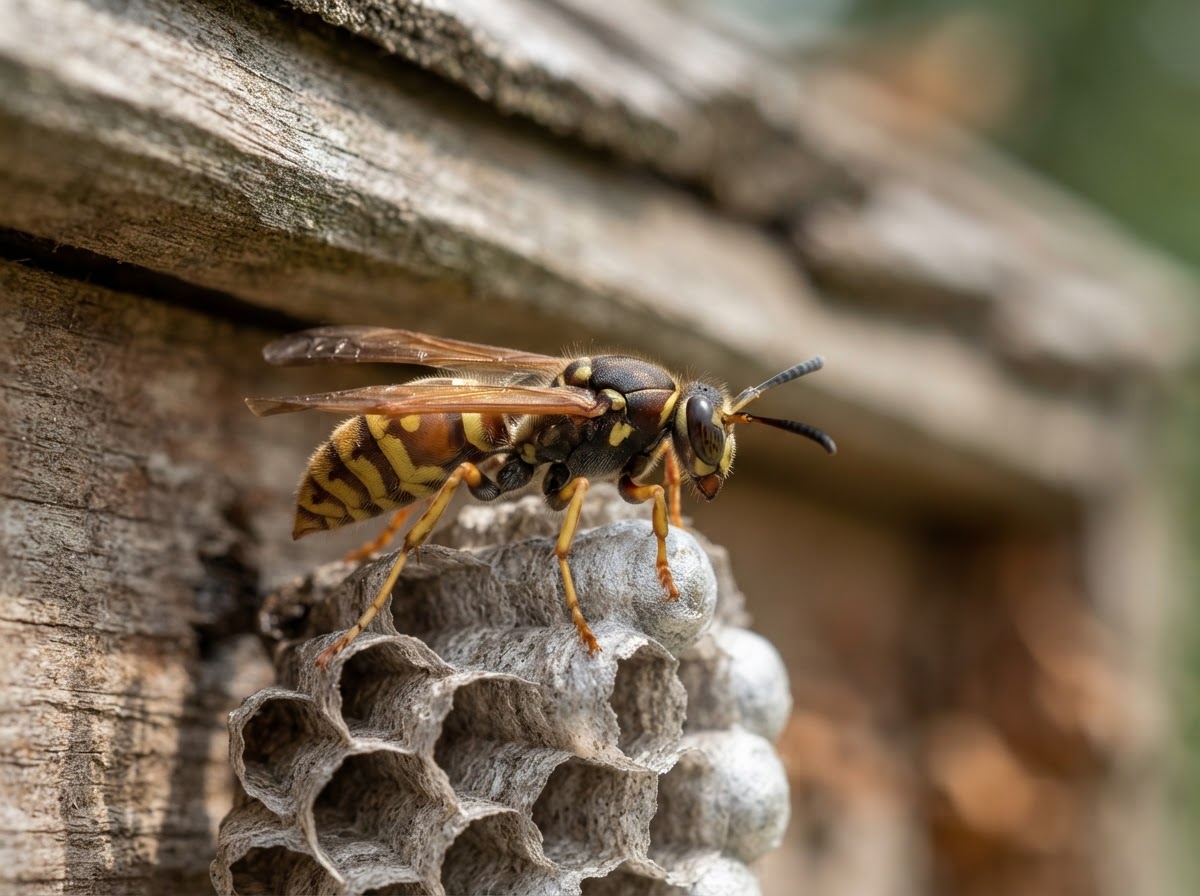
Wasps
where removal is appropriate
Wasps may build nests in sheltered places around buildings; nearby activity can create concern because some species sting when disturbed.
See more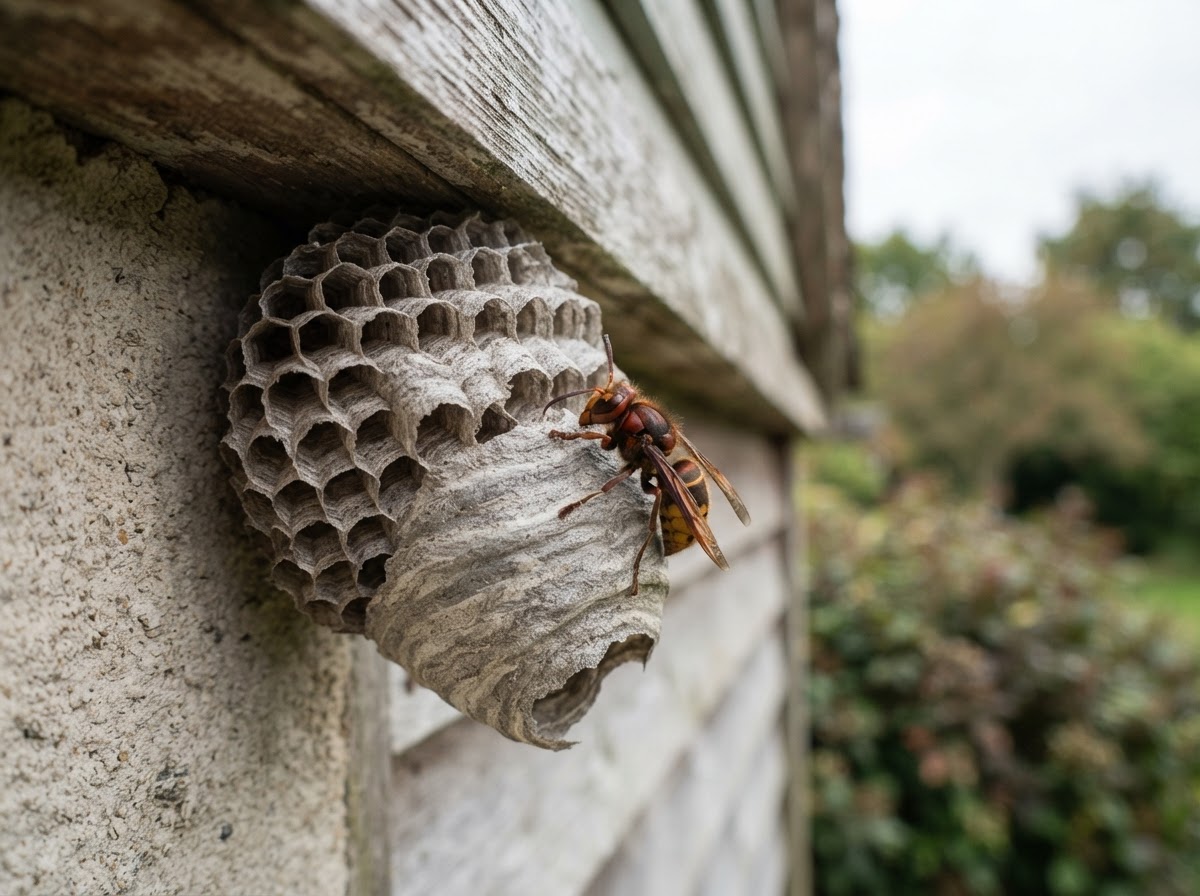
Hornets
where removal is appropriate
Hornets are large social wasps that may nest in sheltered or elevated places; activity near people warrants distance and careful assessment.
See more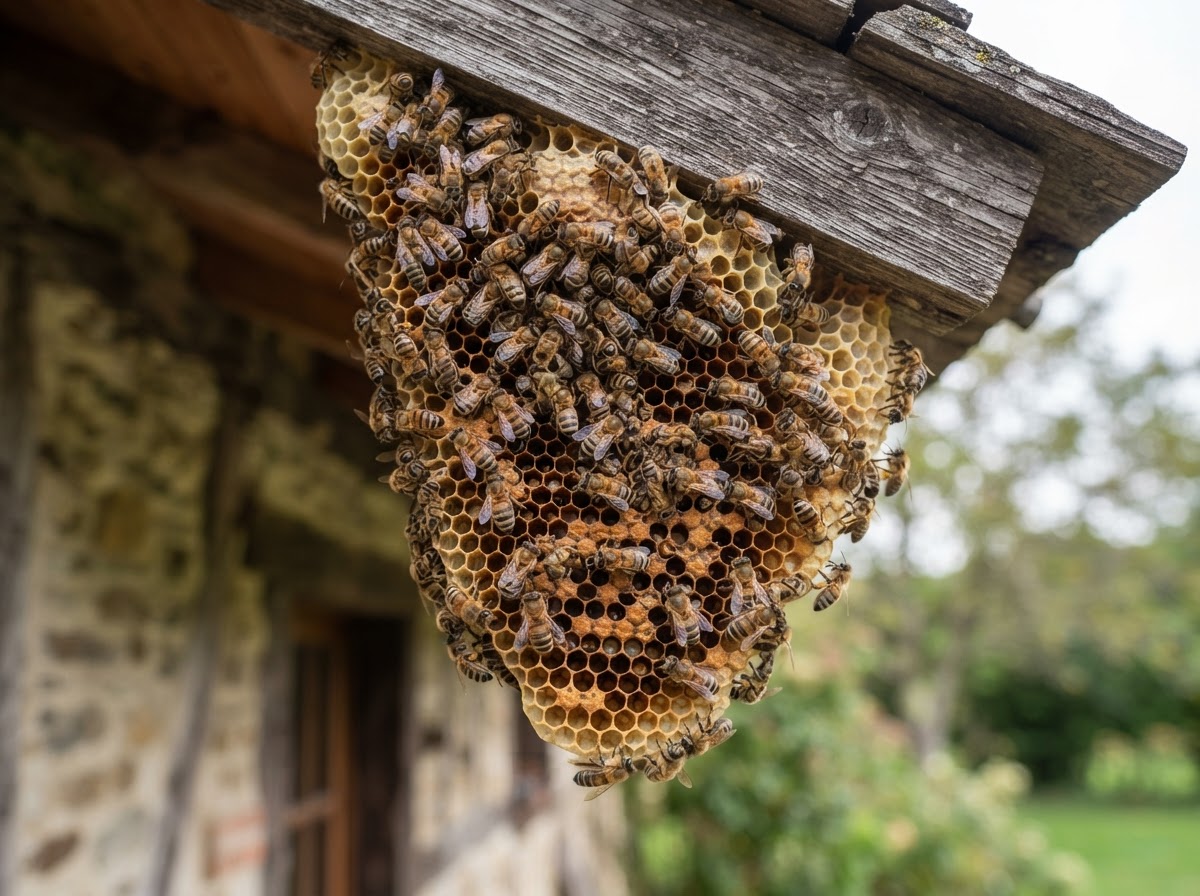
Bees
where removal is appropriate
Bees may form a colony in a sheltered place or gather as a passing swarm; they are important pollinators and merit careful assessment.
See moreWood and fabric
Explore insects that affect timber, furnishings and fabrics, with identification and prevention shaped by the affected material.
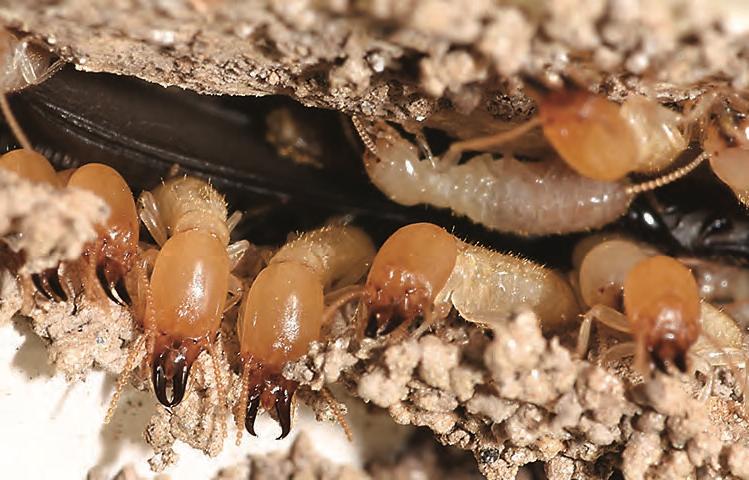
Termites
Termites feed on cellulose and can work unseen in timber or behind surfaces, so suspected activity in Accra buildings merits inspection.
See more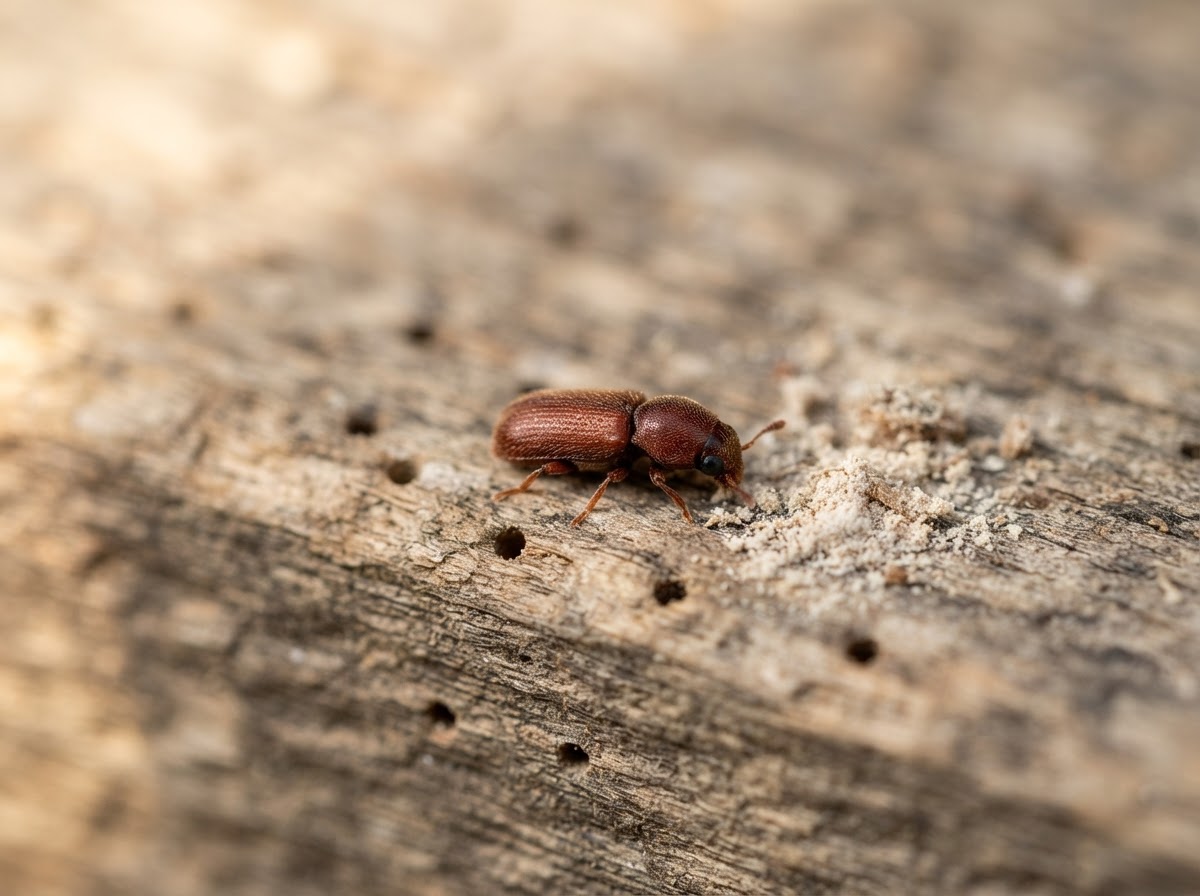
Powderpost beetles
Powderpost beetle larvae can develop inside seasoned wood; small exit holes and fine powder may prompt a closer check of timber.
See more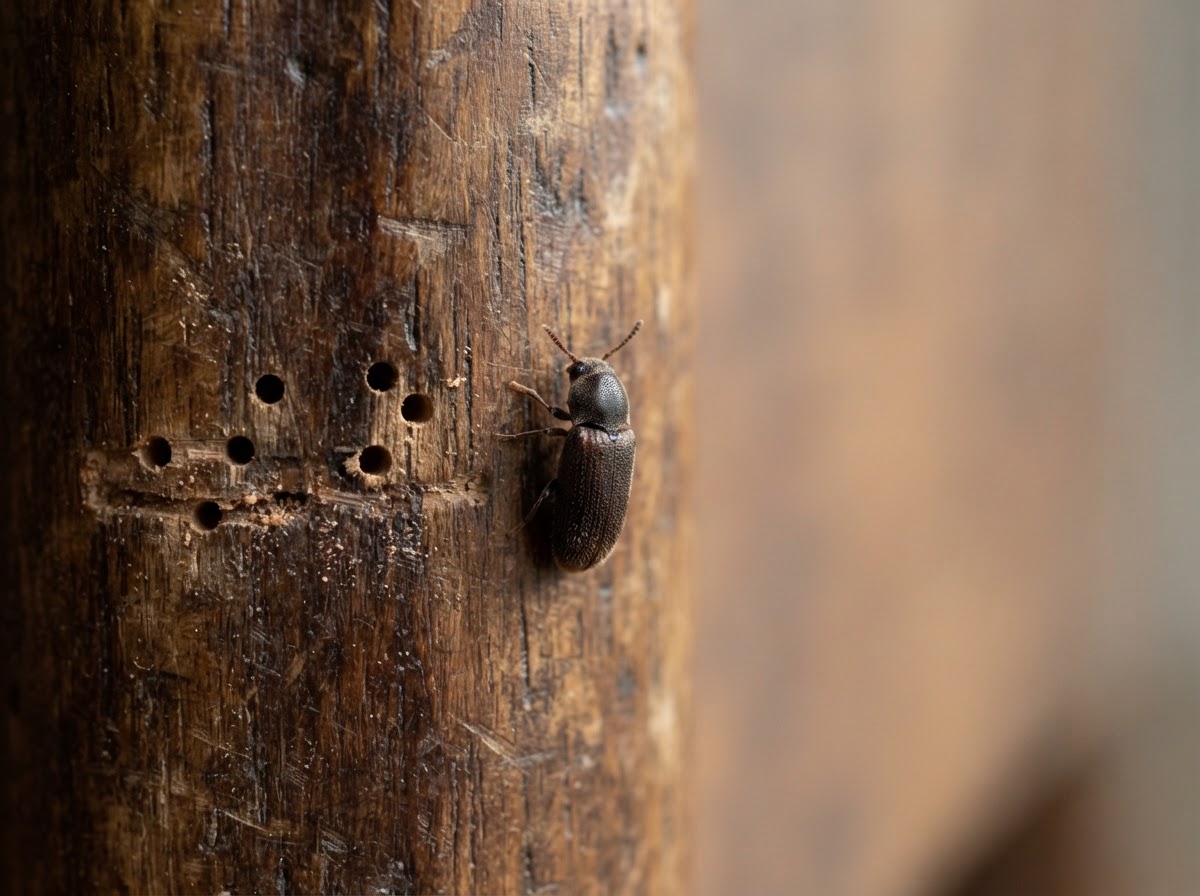
Furniture beetles
Furniture beetle larvae may damage susceptible timber while developing; exit holes or powder on furniture can be signs to investigate.
See more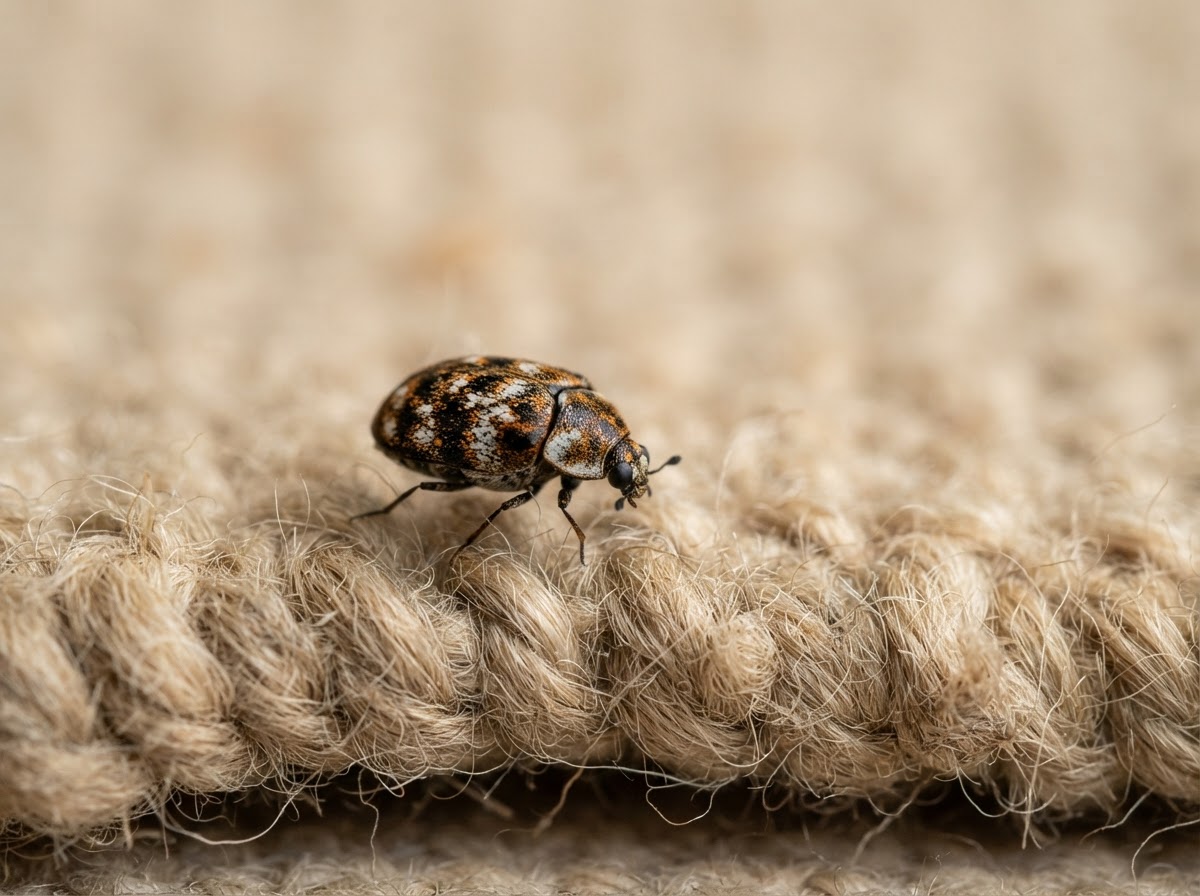
Carpet beetles
Carpet beetle larvae feed on some natural fibres and other materials; shed skins or fabric damage can be clues in homes and stores.
See more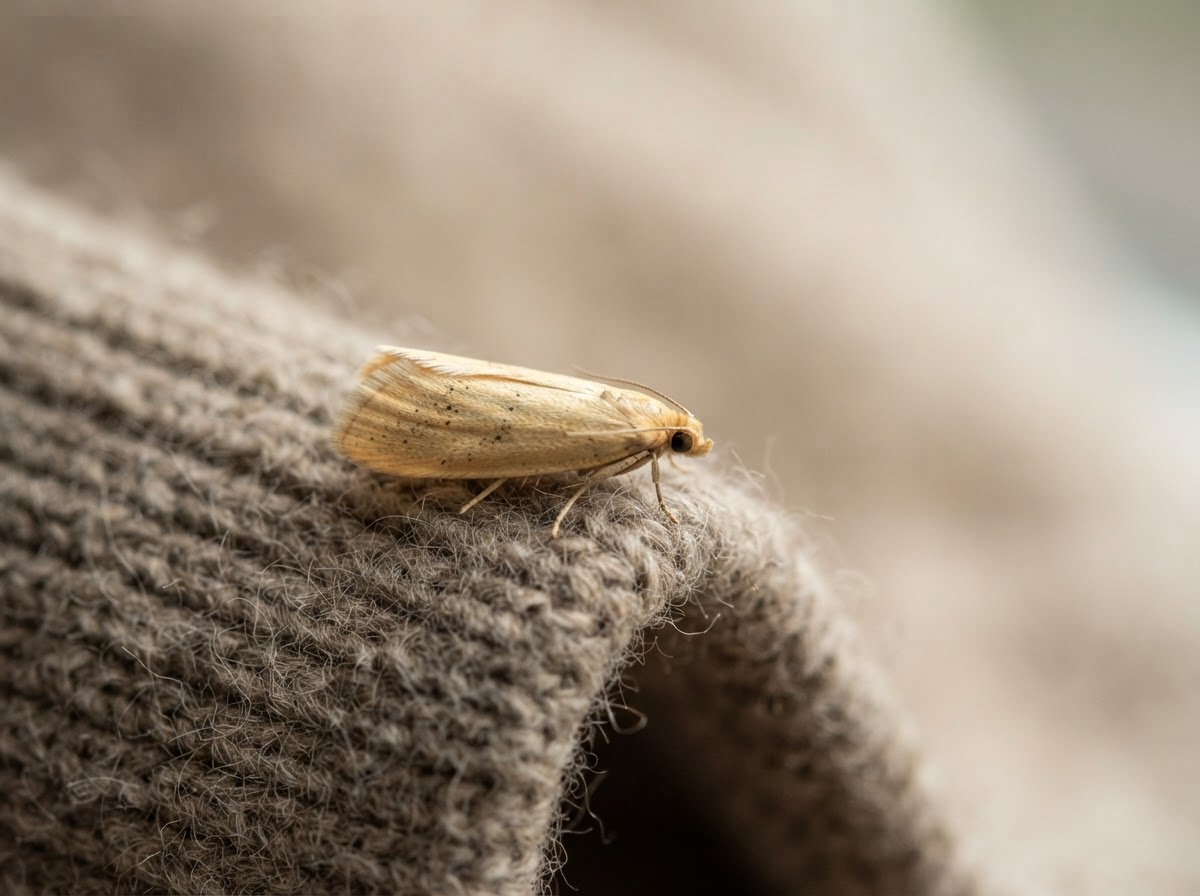
Clothes moths
Clothes moth larvae can damage susceptible natural fibres in stored garments and textiles; checking quiet storage areas can help locate activity.
See moreStored food
Understand common insects found in grains and dry provisions, and the storage conditions that can support activity.
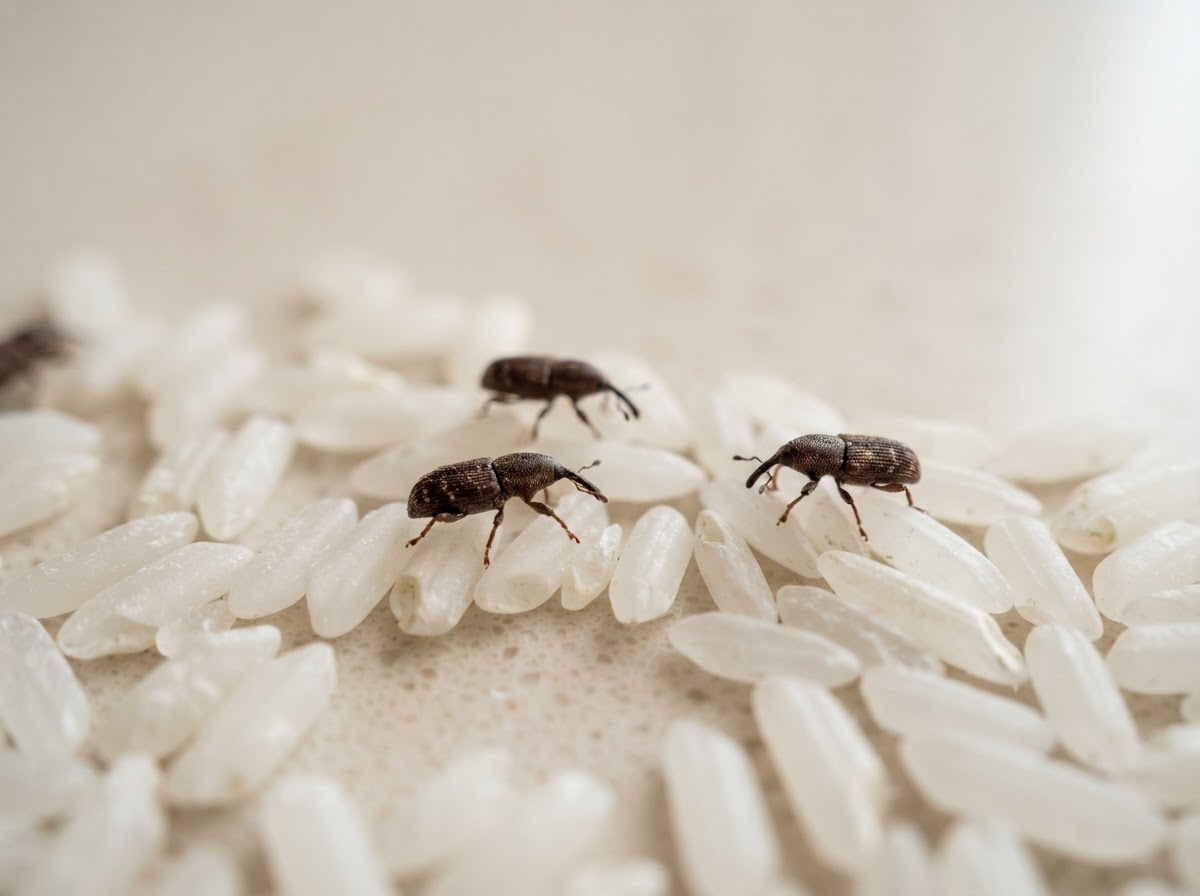
Weevils
Some weevils infest grains and dry provisions; adults in or near food packets can signal a source worth checking in cupboards or storerooms.
See more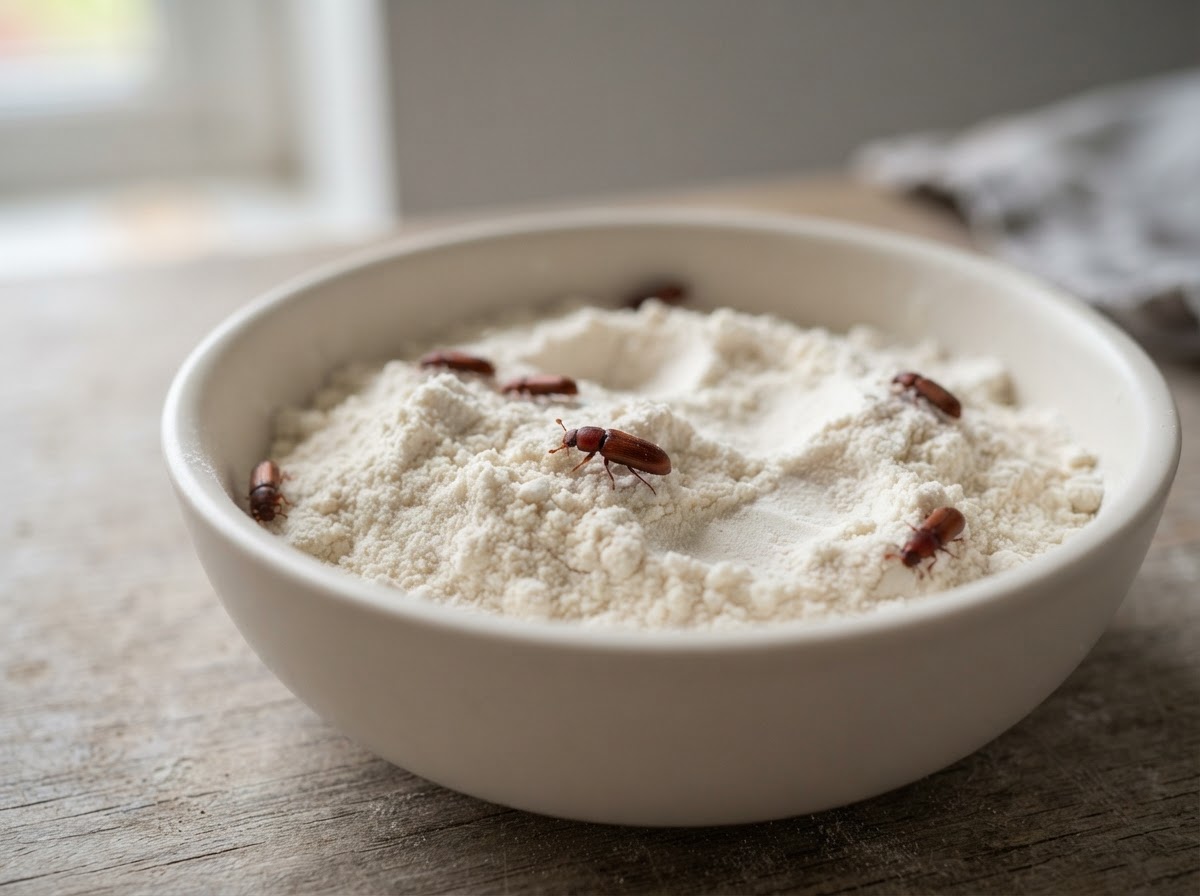
Flour beetles
Flour beetles are small insects associated with flour and other dry goods; activity in cupboards can make provisions unsuitable to keep.
See more
Pantry moths
Pantry moth adults may appear near kitchens while larvae develop in dry provisions; checking food packets can help reveal the source.
See more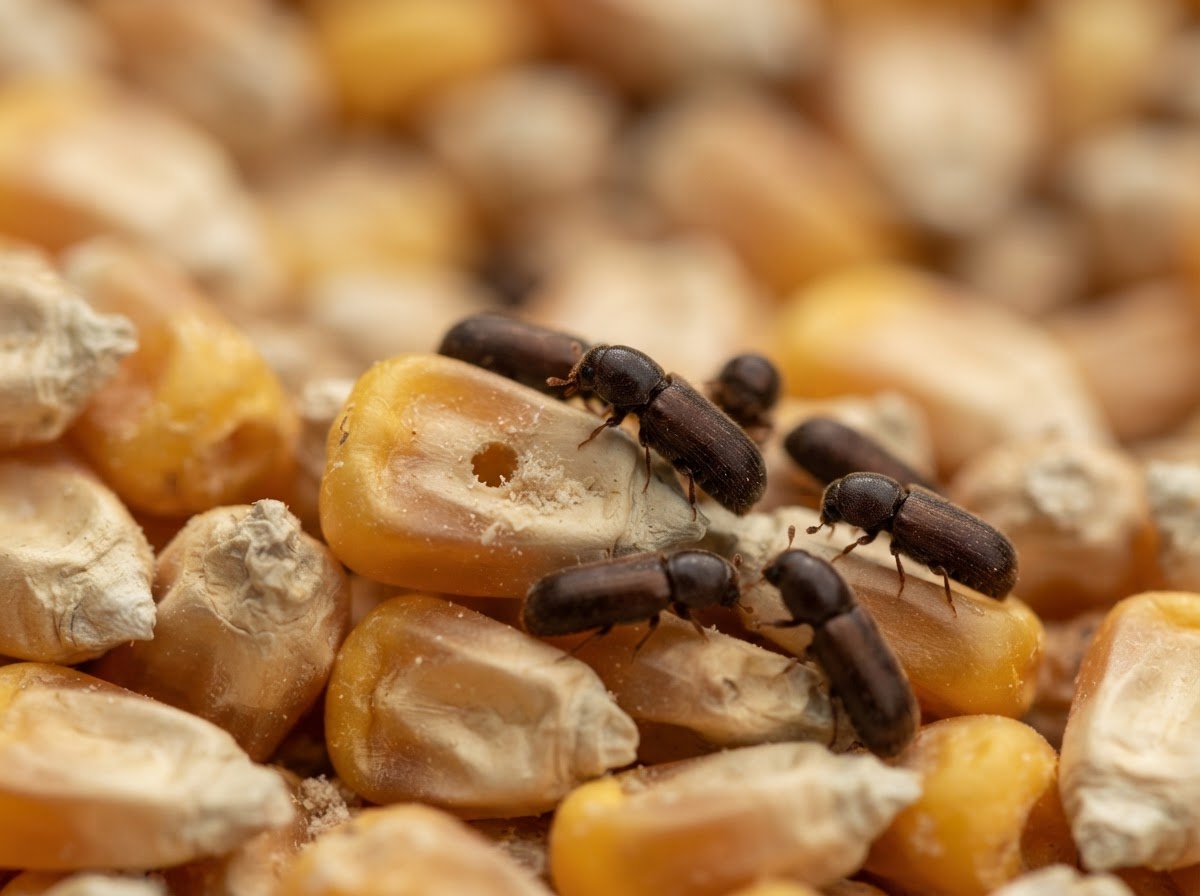
Grain borers
Grain borers are beetles that can infest stored cereal grains; damaged kernels or insects near sacks and packets may warrant inspection.
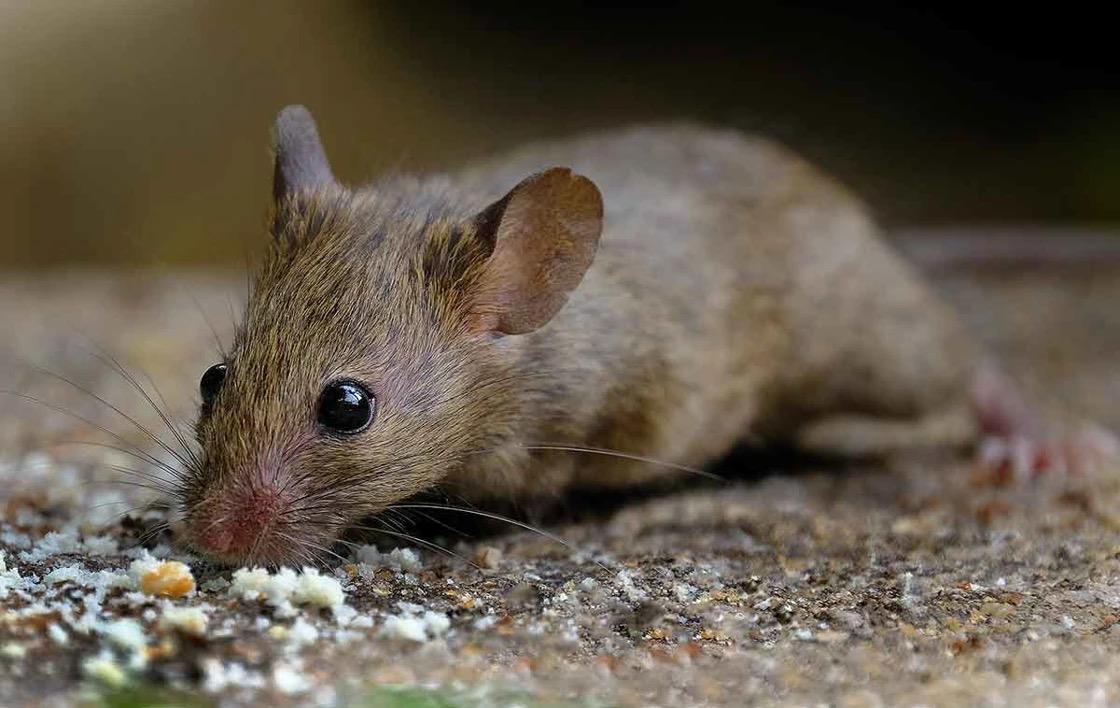
See moreRodents
Learn how mice and rats enter buildings, where they shelter and what signs may need an inspection.
Wildlife
Find calm wildlife advice, practical proofing and lawful options where action is appropriate, with respect for animals and conservation.
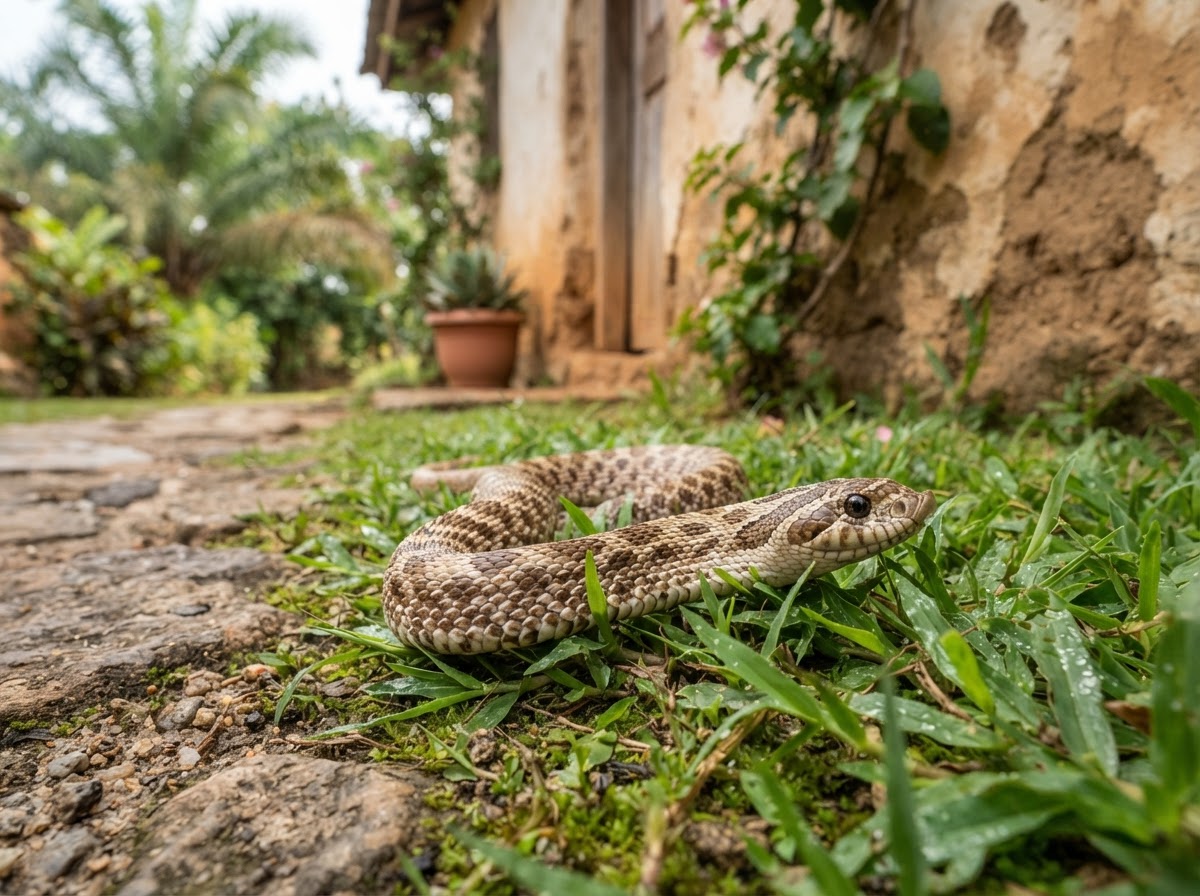
Snakes
where removal is appropriate
Snakes may use sheltered areas or follow prey near buildings; keep away from any sighting and seek advice before considering lawful action.
See more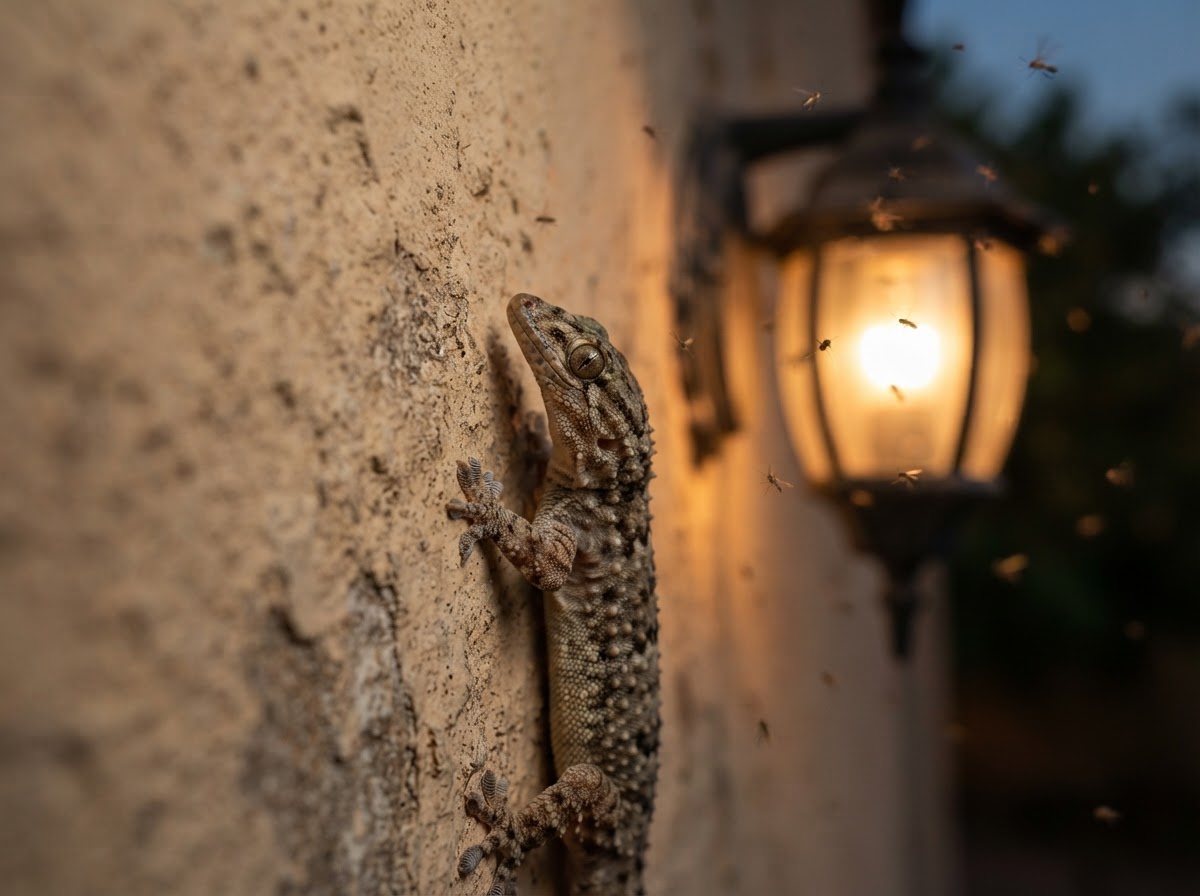
Geckos
Geckos often hunt insects near lights and may shelter on walls or ceilings; droppings and entry gaps can concern occupants.
See more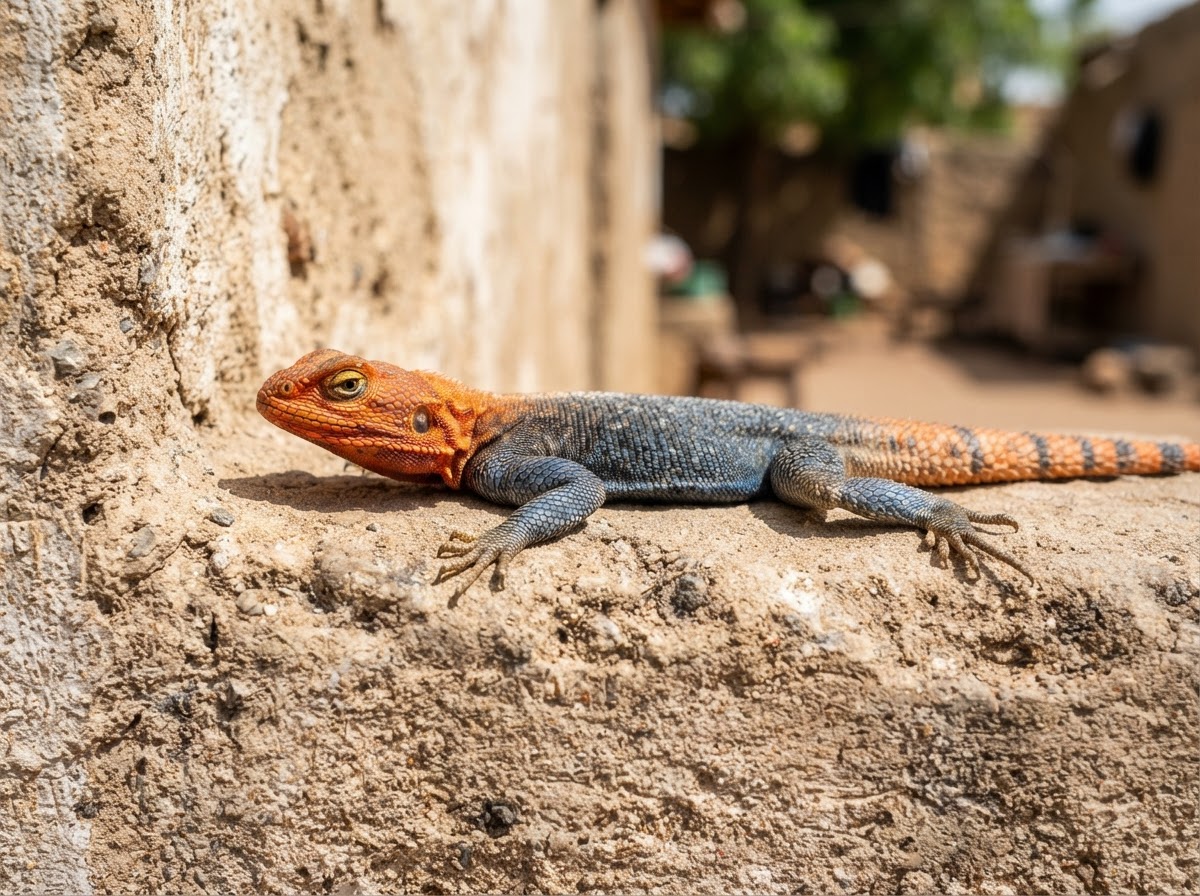
Lizards
Small lizards may be seen on walls, fences or near lights; species vary, so identification and exclusion advice should suit the situation.
See more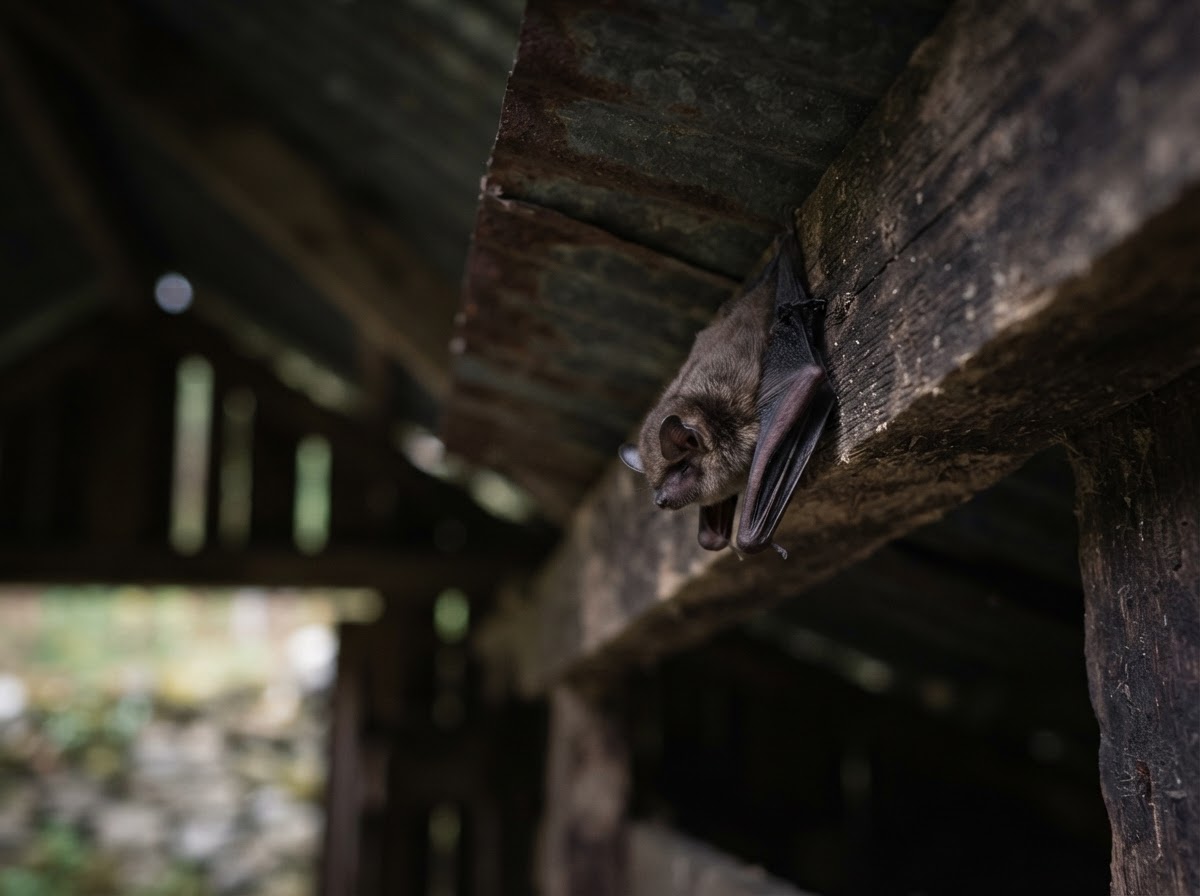
Bats
where removal is appropriate
Bats may roost in roof spaces or other sheltered structures; avoid handling them and seek advice on safe, lawful proofing options.
See more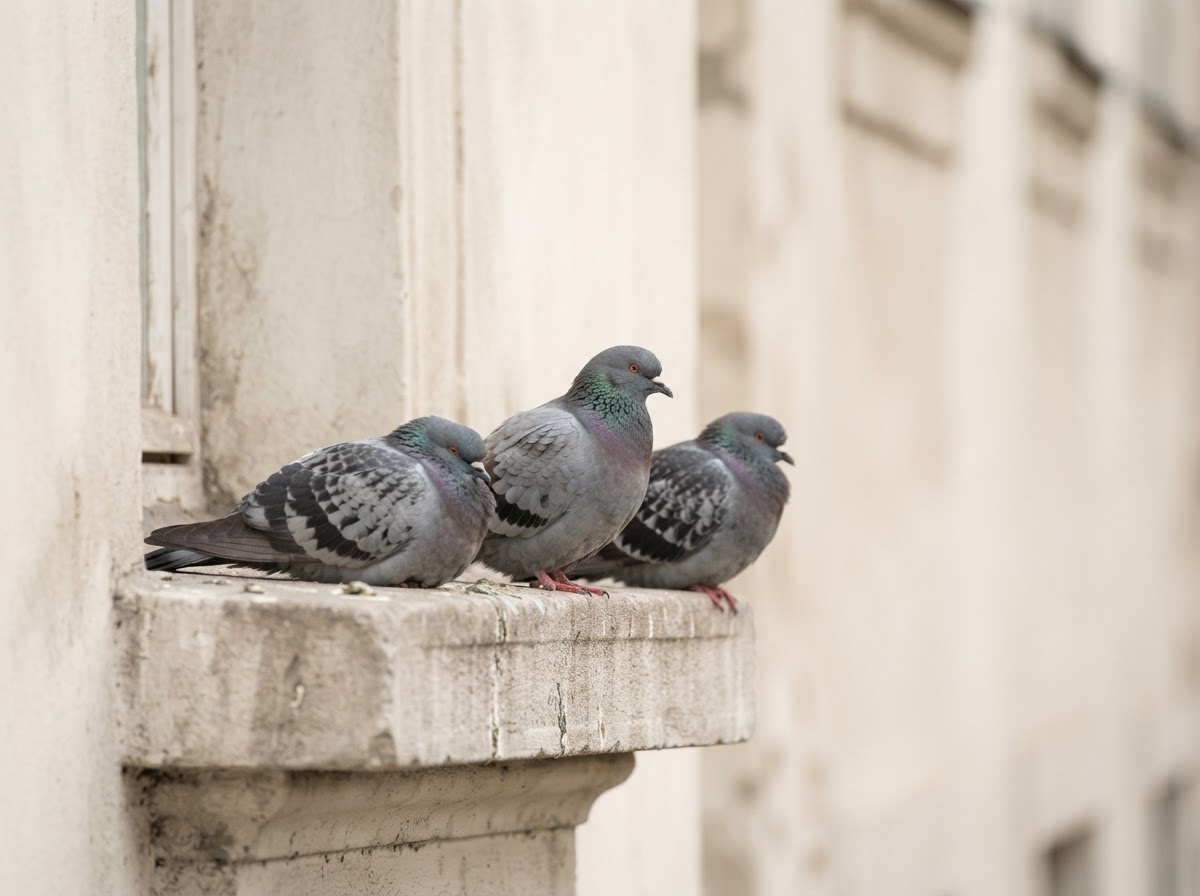
Pigeons
Pigeons may roost on ledges, roofs and sheltered structures; droppings and nesting material can affect building cleanliness and maintenance.
See more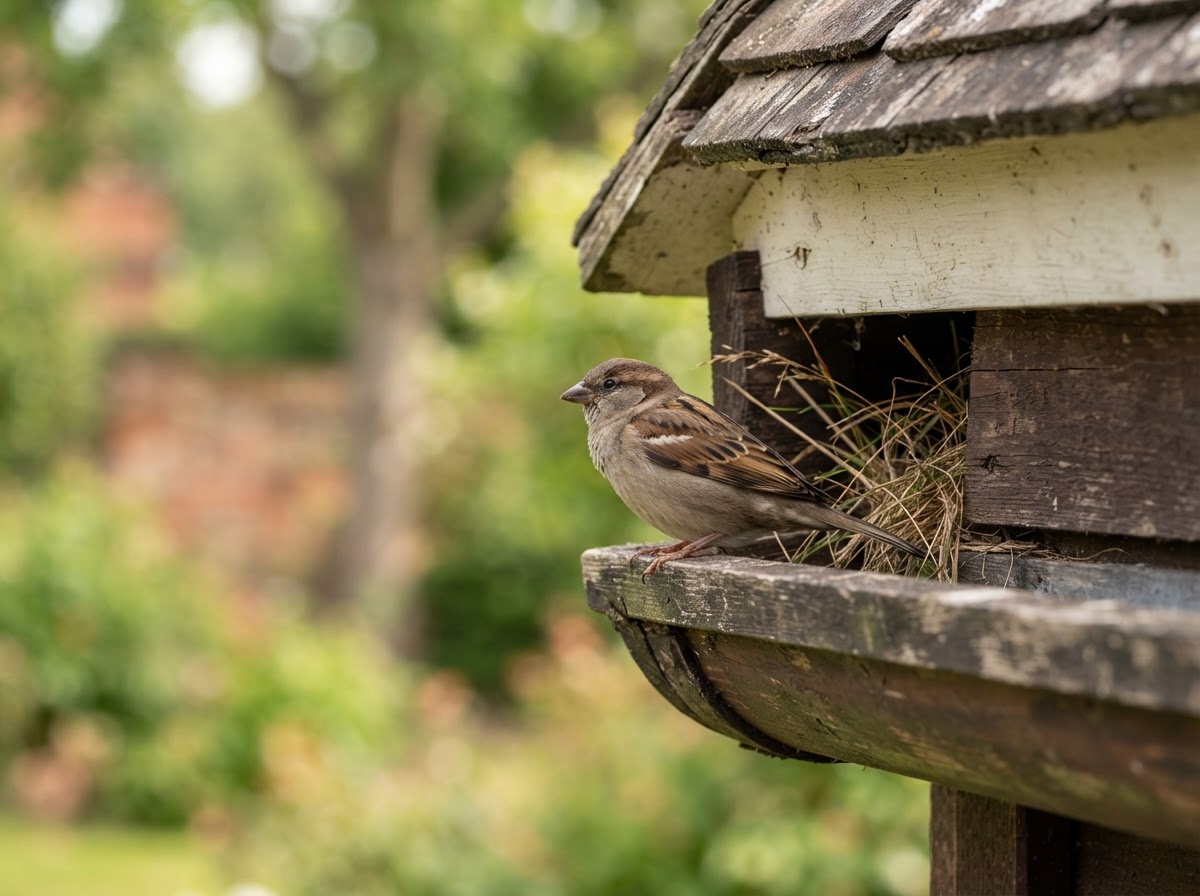
Other birds
Birds may nest or perch on buildings and compounds; species, nesting stage and location inform respectful advice and lawful options.
See moreNot sure which pest you have?
Tell us what you are seeing and a representative will reach out shortly.