
Silverfish
Silverfish are small, wingless insects that favour sheltered, often humid spaces and may feed on paper, starches or fabrics in buildings.
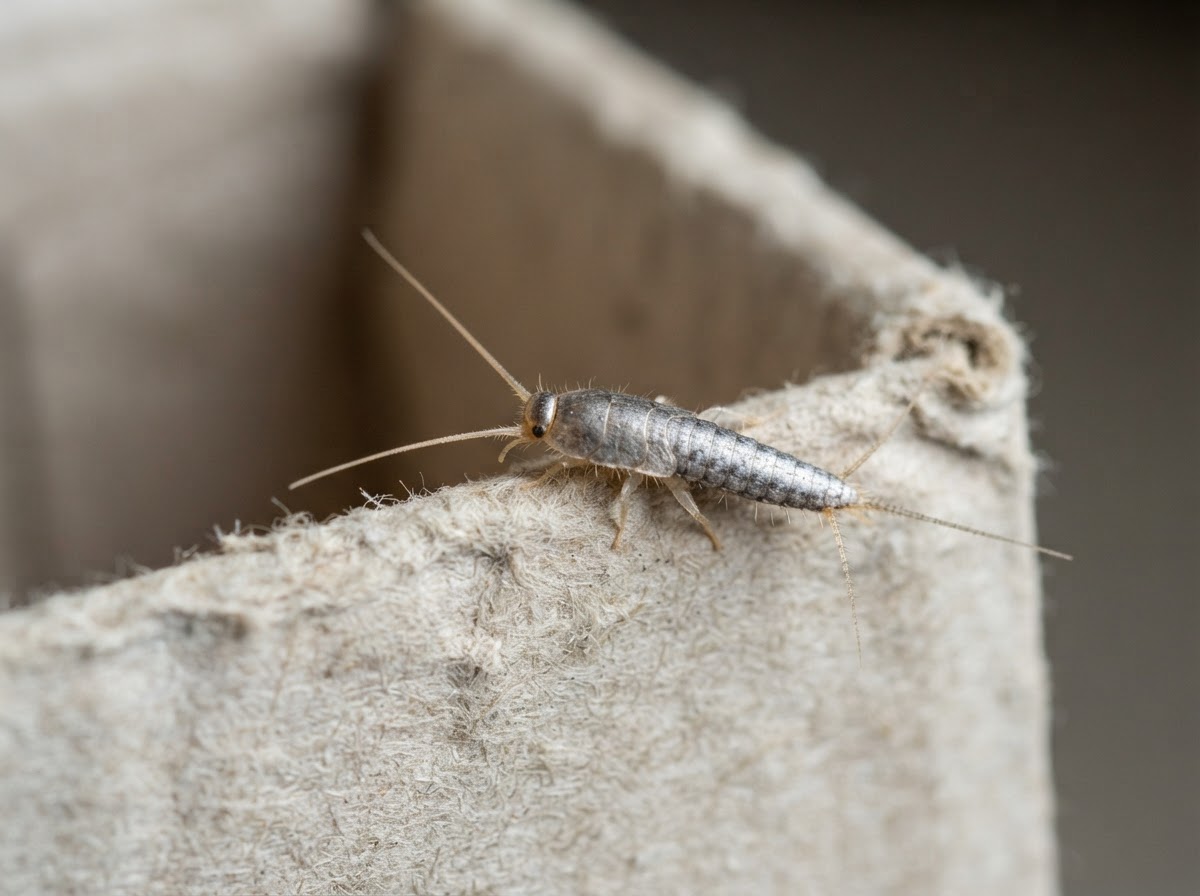
Silverfish are small, wingless insects with a tapered, silvery body, long antennae and three bristle-like tails. They move quickly and often hide in cracks, cupboards or other quiet places. In Accra homes and compounds, they may be noticed in bathrooms, kitchens, storage spaces or among books and papers, particularly where areas are humid and undisturbed. Their presence is not always obvious until an item is moved or damage is noticed.
Silverfish feed on starchy materials and can damage paper, book bindings, wallpaper and some stored goods. Repeated sightings may point to humid hiding places or accessible food sources. Crepps can inspect the affected rooms, identify the insect and look for moisture, shelter and entry routes. The IPM plan prioritises practical prevention and monitoring, with targeted treatment only where needed. Addressing the conditions can help reduce activity without relying on routine spraying.
Signs
Look for quick, silvery insects with long antennae and three tail bristles, especially when moving stored items or opening cupboards. Irregular surface damage to paper, book bindings or wallpaper, along with shed skins, may also warrant a closer inspection.
Why it matters
Silverfish can feed on starchy materials and damage papers, book bindings, wallpaper or stored goods. Their activity may go unnoticed in quiet cupboards and storage areas. Finding the insects and conditions that support them helps guide practical, proportionate control.
The IPM approach
We inspect affected rooms and storage, identify the insect and look for humid shelter, food sources and entry points. We recommend suitable moisture control, cleaning and proofing, then monitor activity. Treatment is targeted to the relevant locations only where needed, not applied as routine blanket spraying.
Prevention
Keep storage areas clean and dry where practical, and avoid leaving paper, books or cardboard undisturbed in humid cupboards. Store important items in suitable closed containers, repair gaps and check quiet areas regularly. Address leaks or damp patches promptly and note recurring activity.
Worried about silverfish?
Book an inspectionRelated pests
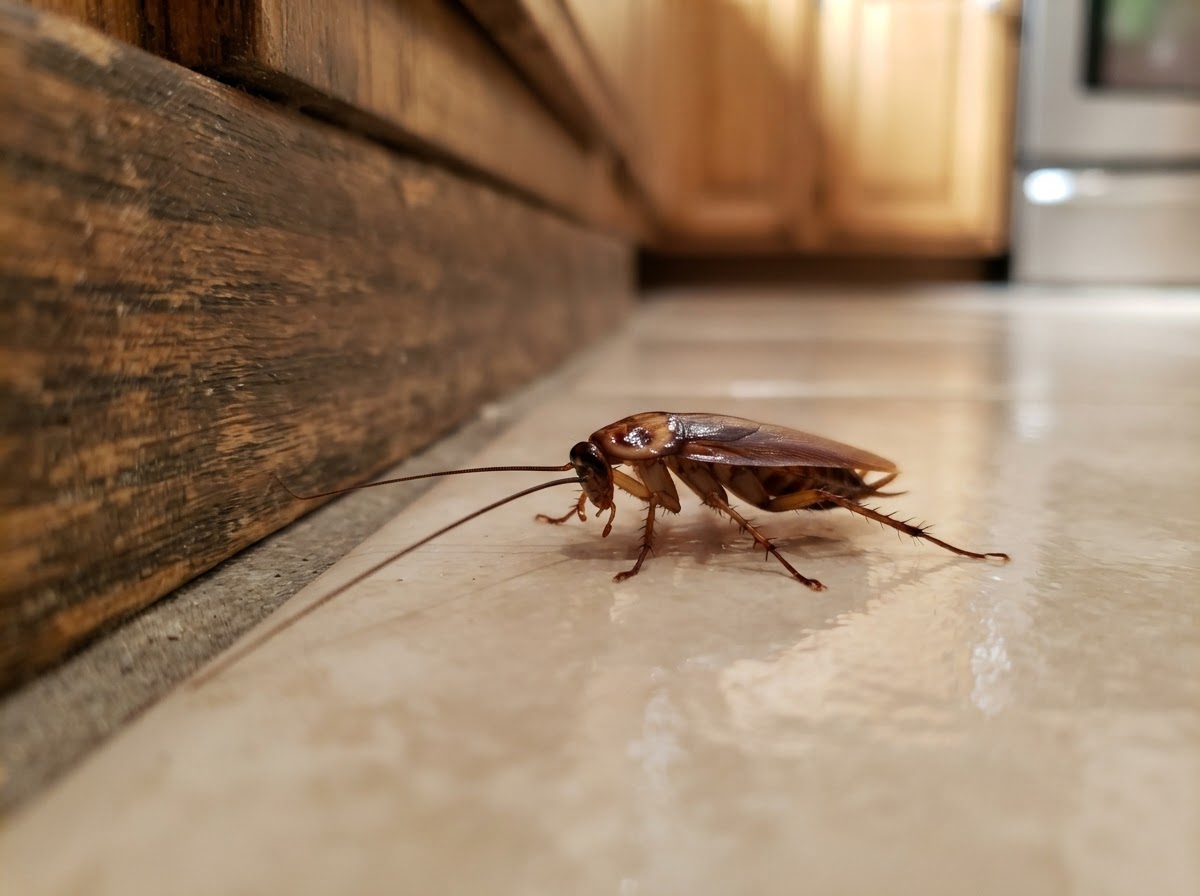
Cockroaches
Cockroaches shelter near warmth, food and moisture, often appearing in kitchens or service areas and raising hygiene concerns for Accra premises.
See more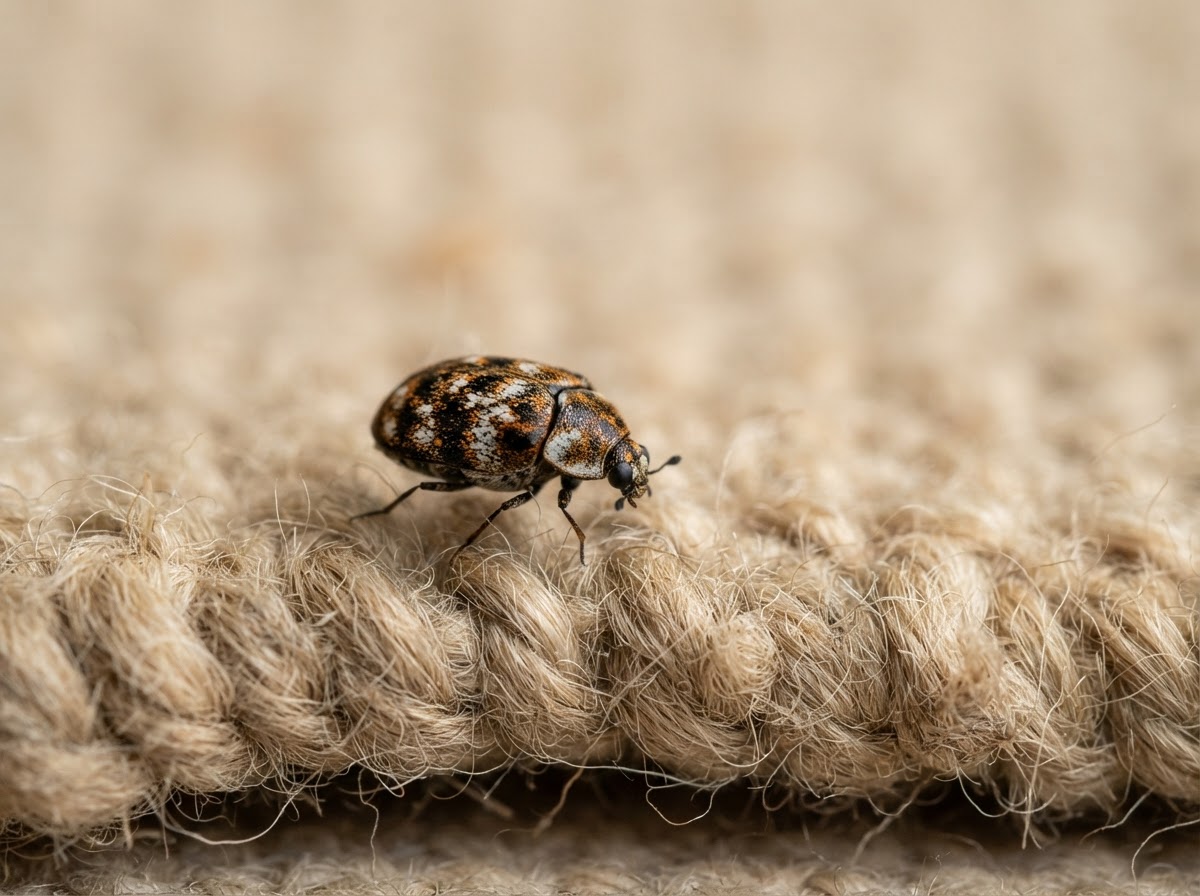
Carpet beetles
Carpet beetle larvae feed on some natural fibres and other materials; shed skins or fabric damage can be clues in homes and stores.
See more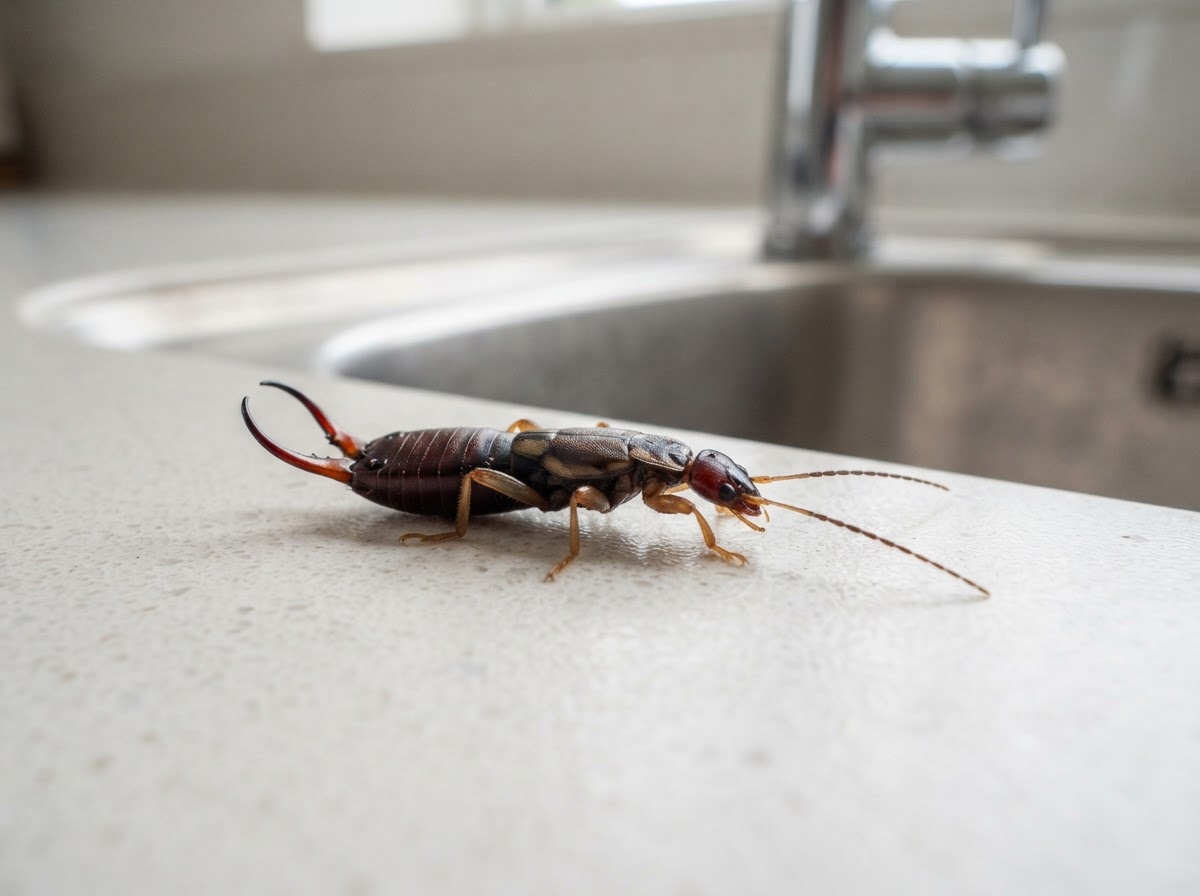
Earwigs
Earwigs shelter in damp, hidden places and may wander indoors; repeated sightings can point to nearby moisture, debris or entry gaps.
See more