
Earwigs
Earwigs shelter in damp, hidden places and may wander indoors; repeated sightings can point to nearby moisture, debris or entry gaps.
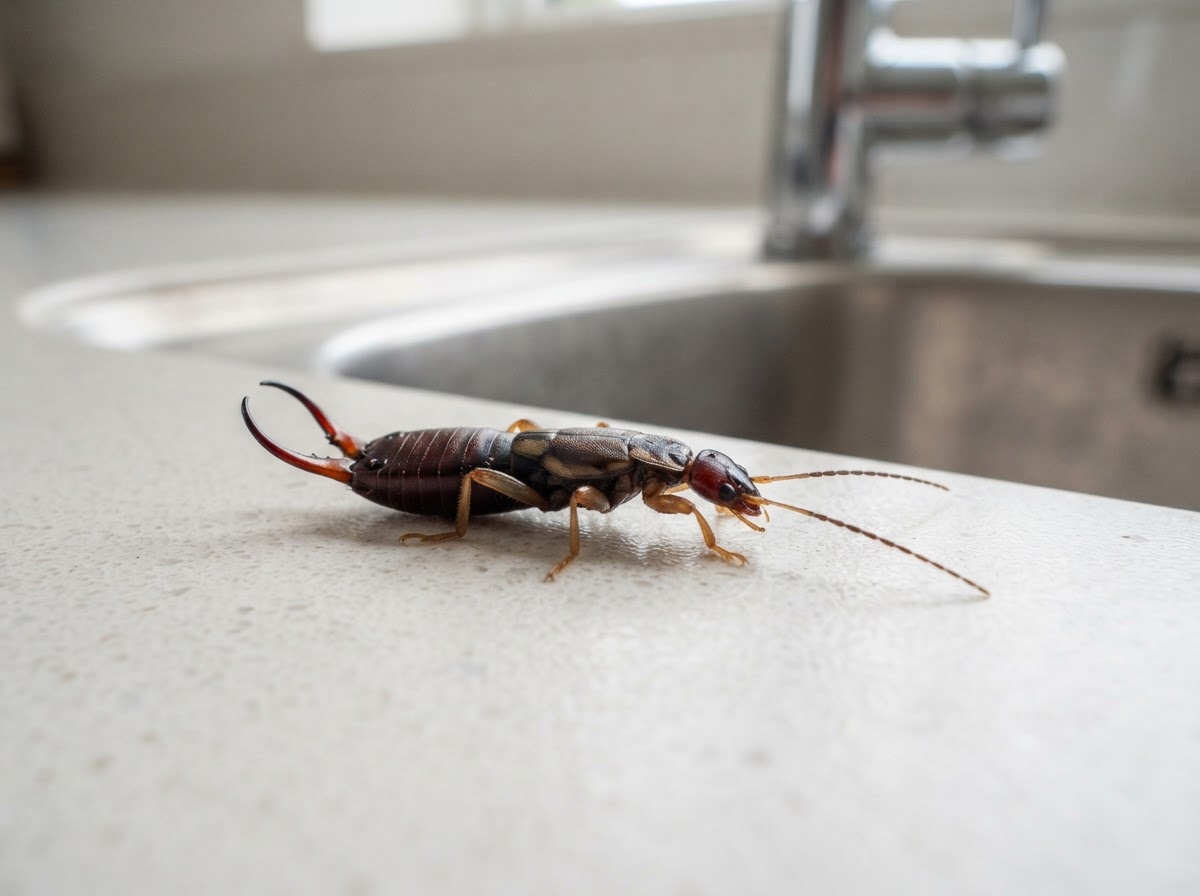
An earwig is a slender insect with a pair of forceps-like pincers at the end of its abdomen. It usually hides by day in damp, sheltered places such as leaf litter, mulch, cracks and stored items, then becomes active after dark. Around Accra homes and compounds, earwigs may enter through small gaps or turn up among laundry or garden materials, especially where damp cover is close to the building.
An occasional invader, an earwig may be a nuisance indoors and some species can feed on tender plants; other earwigs eat small insects. Seeing one does not by itself show that a home has a larger pest problem. Crepps first checks what is present, where it is sheltering and how it enters. We recommend moisture and clutter reduction, proofing and monitoring, then targeted control only if activity warrants it. This keeps the response proportionate to the evidence.
Signs
Earwigs are slender insects with pincers at the rear. Look for them in damp corners, beneath pots, in laundry or stored items, and around doorways after dark. A few sightings near a garden edge may indicate a nearby outdoor hiding place rather than a widespread indoor problem.
Why it matters
Earwigs can be an unwelcome sight indoors, and some species feed on tender plants. Others prey on small insects, so identification matters before choosing a response. Repeated indoor sightings can point to damp shelter, clutter or gaps that allow them to enter.
The IPM approach
We inspect where earwigs are appearing, identify likely shelter and check how they enter. The plan focuses first on reducing damp cover and clutter, sealing gaps and monitoring activity. If further control is needed, we use targeted methods suited to the site, not routine blanket spraying.
Prevention
Move leaf litter, mulch, stacked items and plant debris away from doors and walls. Reduce damp hiding places where practical, repair gaps around doors and windows, and check laundry or garden items before bringing them inside. Keep monitoring after wet weather and address new entry points.
Worried about earwigs?
Book an inspectionRelated pests
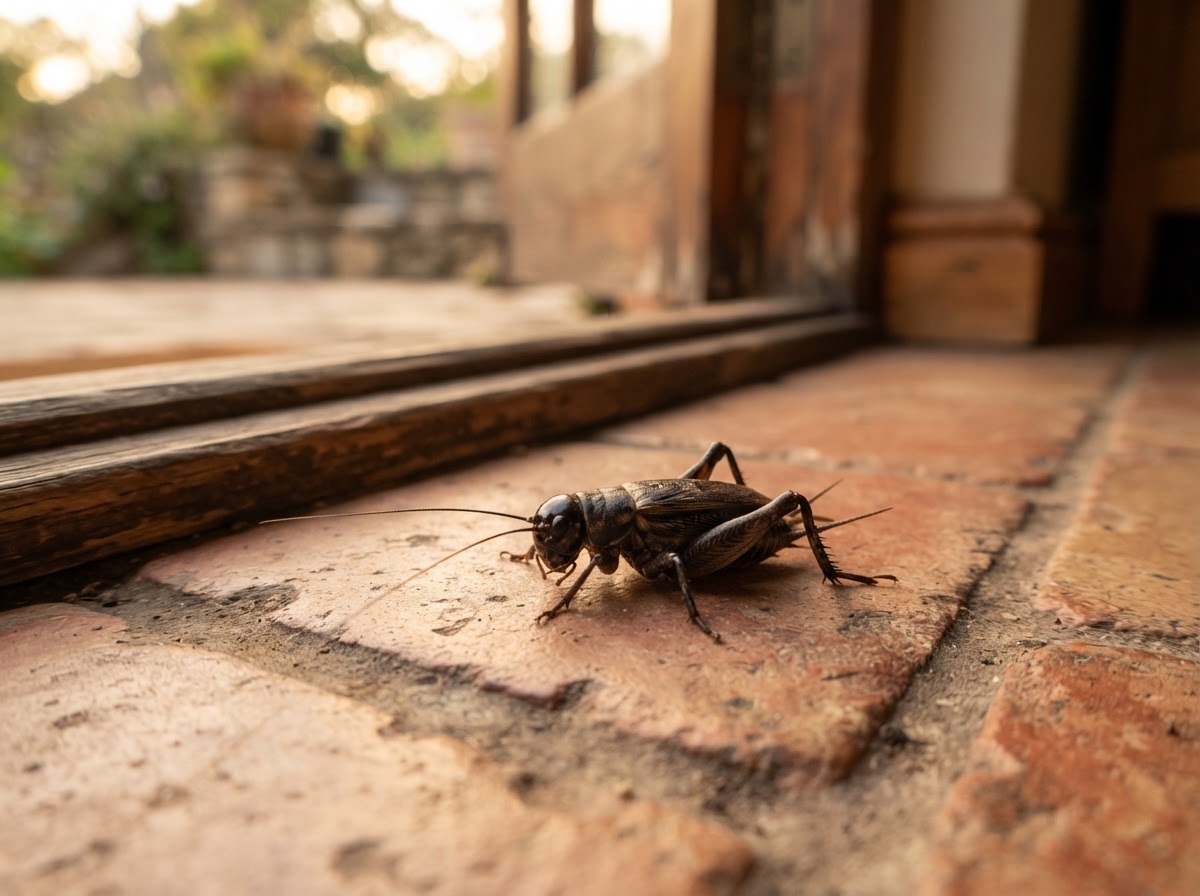
Crickets
Crickets may enter homes from gardens and sheltered outdoor spaces; chirping or repeated sightings can disturb quiet rooms.
See more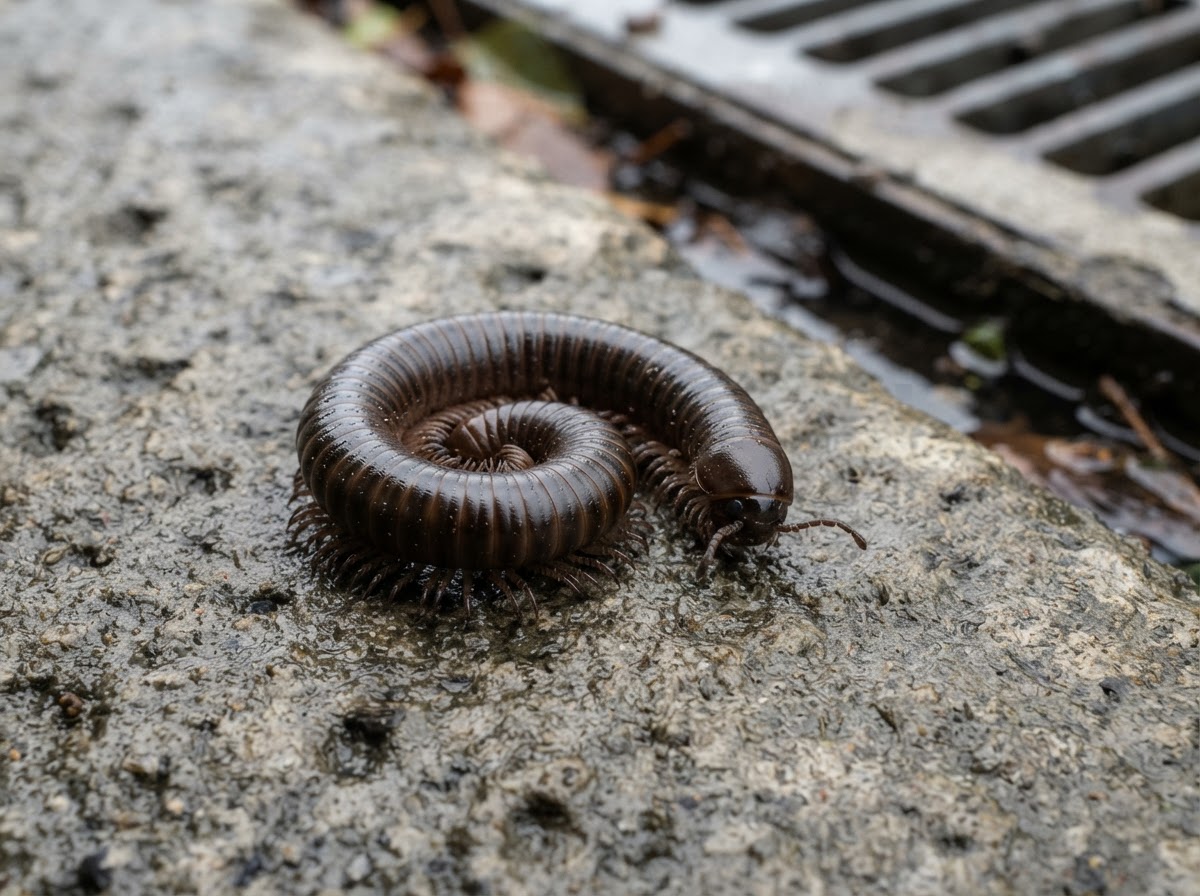
Millipedes
Millipedes usually feed on decaying plant matter outdoors; after wet weather they may enter ground-floor rooms through small gaps.
See more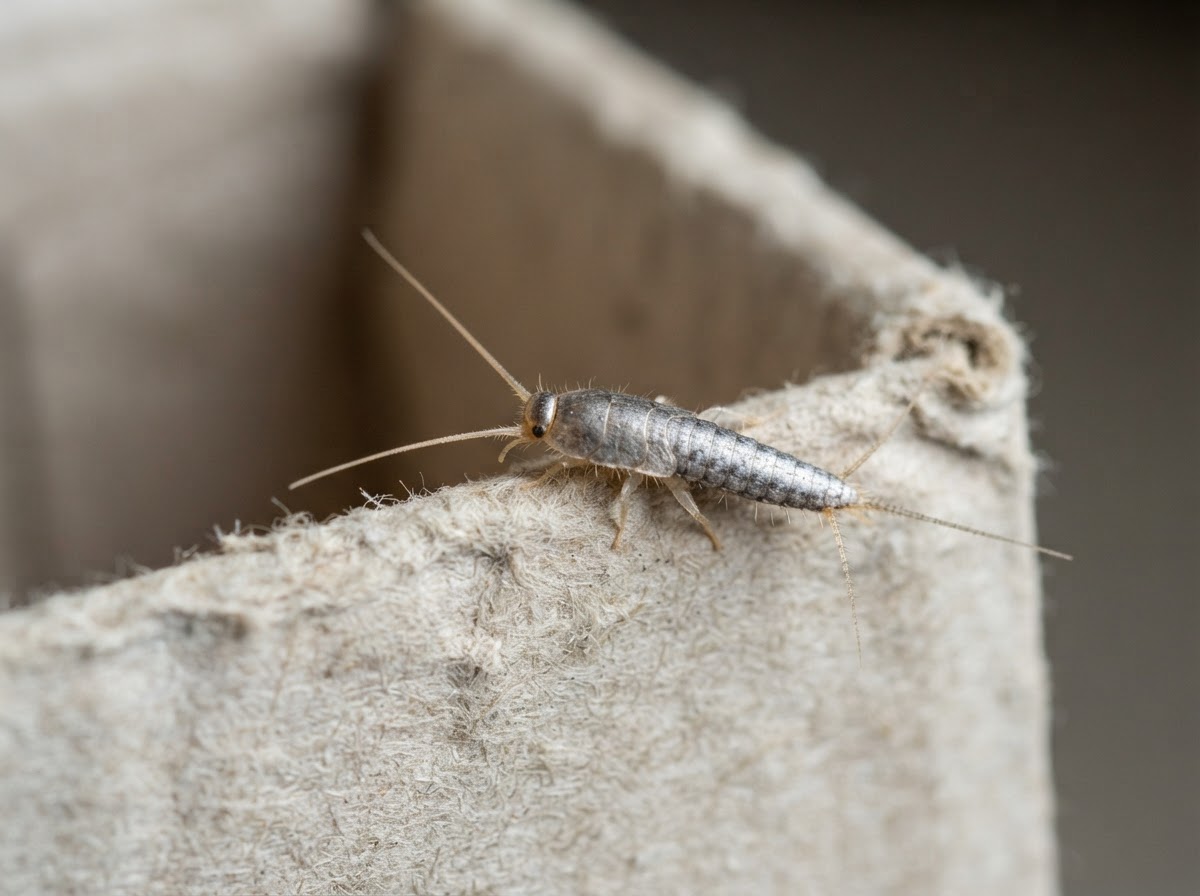
Silverfish
Silverfish are small, wingless insects that favour sheltered, often humid spaces and may feed on paper, starches or fabrics in buildings.
See more