
Millipedes
Millipedes usually feed on decaying plant matter outdoors; after wet weather they may enter ground-floor rooms through small gaps.
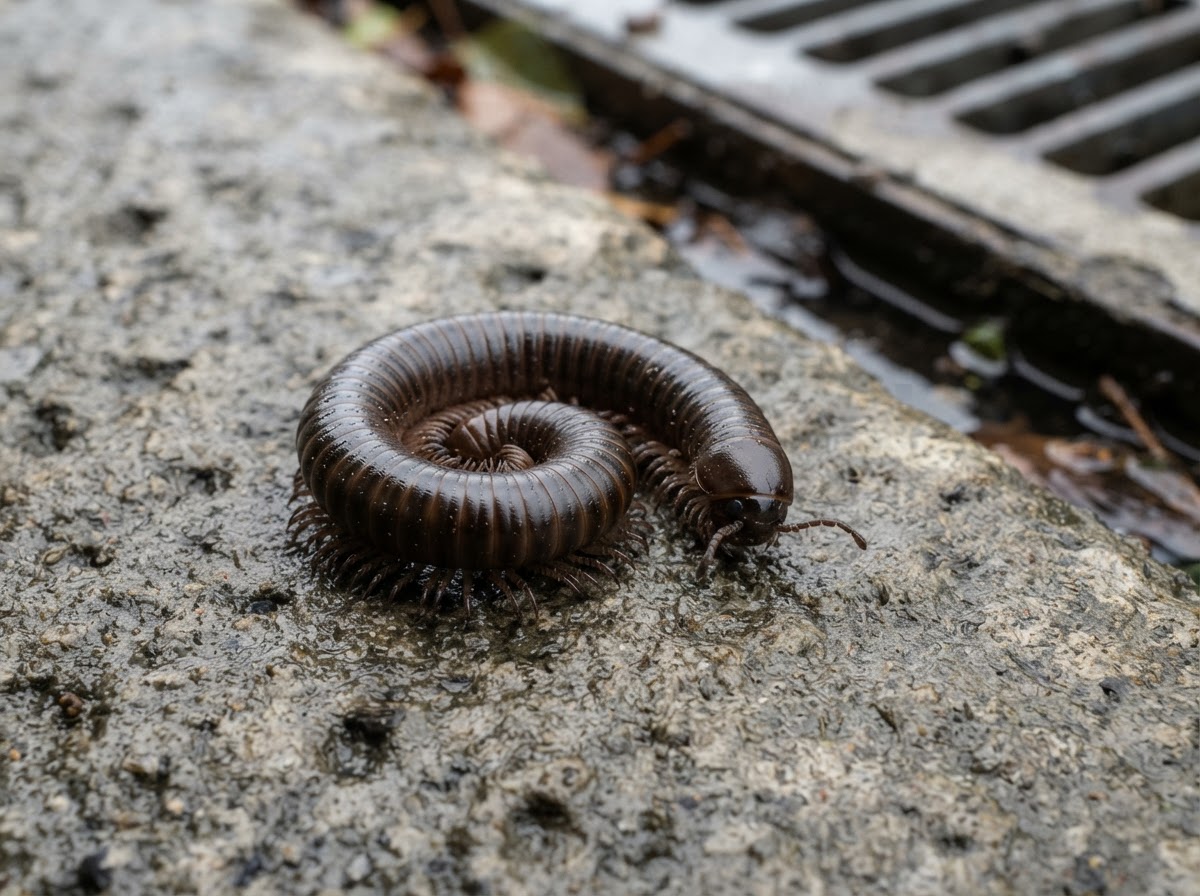
Millipedes are slow-moving arthropods with many body segments and legs. They generally live outdoors in cool, damp places, sheltering among leaf litter, soil, compost and decaying plant material. Around Accra homes and compounds, you may find them beneath pots or stones, along foundations or inside ground-floor rooms. An occasional invader, they can appear after heavy rain, when wet conditions may prompt them to move from their usual outdoor shelter.
Millipedes feed mainly on decaying plant matter, and a few indoors are usually a nuisance rather than evidence of damage to a building. Their presence can point to damp hiding places, accumulated leaves or gaps at the edge of a property. Crepps inspects and identifies the pest, checks entry routes and surrounding conditions, then recommends practical proofing and habitat changes. We monitor activity, use targeted treatment only where needed, and explain any follow-up advice clearly.
Signs
Look for slow-moving, many-legged arthropods in damp corners, especially after heavy rain. You may notice them along foundations, in ground-floor rooms, beneath pots or among leaf litter. Repeated sightings near one doorway can point to an entry gap or damp outdoor shelter.
Why it matters
Millipedes feed mainly on decaying plant matter and usually cause little damage indoors. Their presence can still be unpleasant, and a cluster may indicate damp leaf litter, debris or an easy route inside. Finding the conditions helps address the cause, not just the sighting.
The IPM approach
We inspect the affected rooms and nearby compound, identify the pest and trace likely entry routes. Next we address damp cover and debris, recommend proofing, and monitor activity. If treatment is needed, it is targeted to the relevant area rather than applied as routine blanket spraying.
Prevention
Keep leaf litter, compost and plant debris away from walls, and avoid leaving pots or stored items against foundations. Address damp patches where practical, fit door sweeps and seal gaps around thresholds. After heavy rain, check ground-floor entrances and remove millipedes without handling them directly.
Worried about millipedes?
Book an inspectionRelated pests
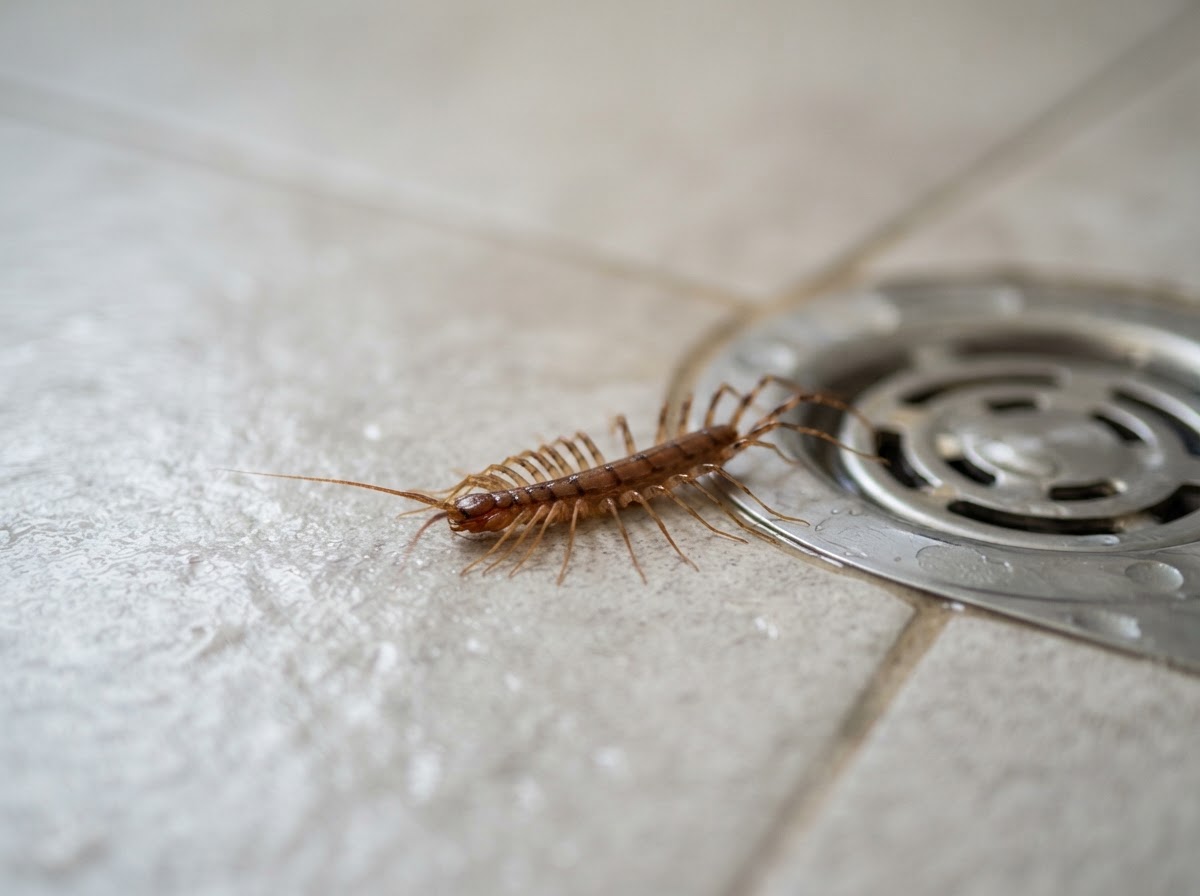
Centipedes
Centipedes are many-legged arthropods that hunt smaller creatures and favour sheltered places; some can bite if handled or disturbed.
See more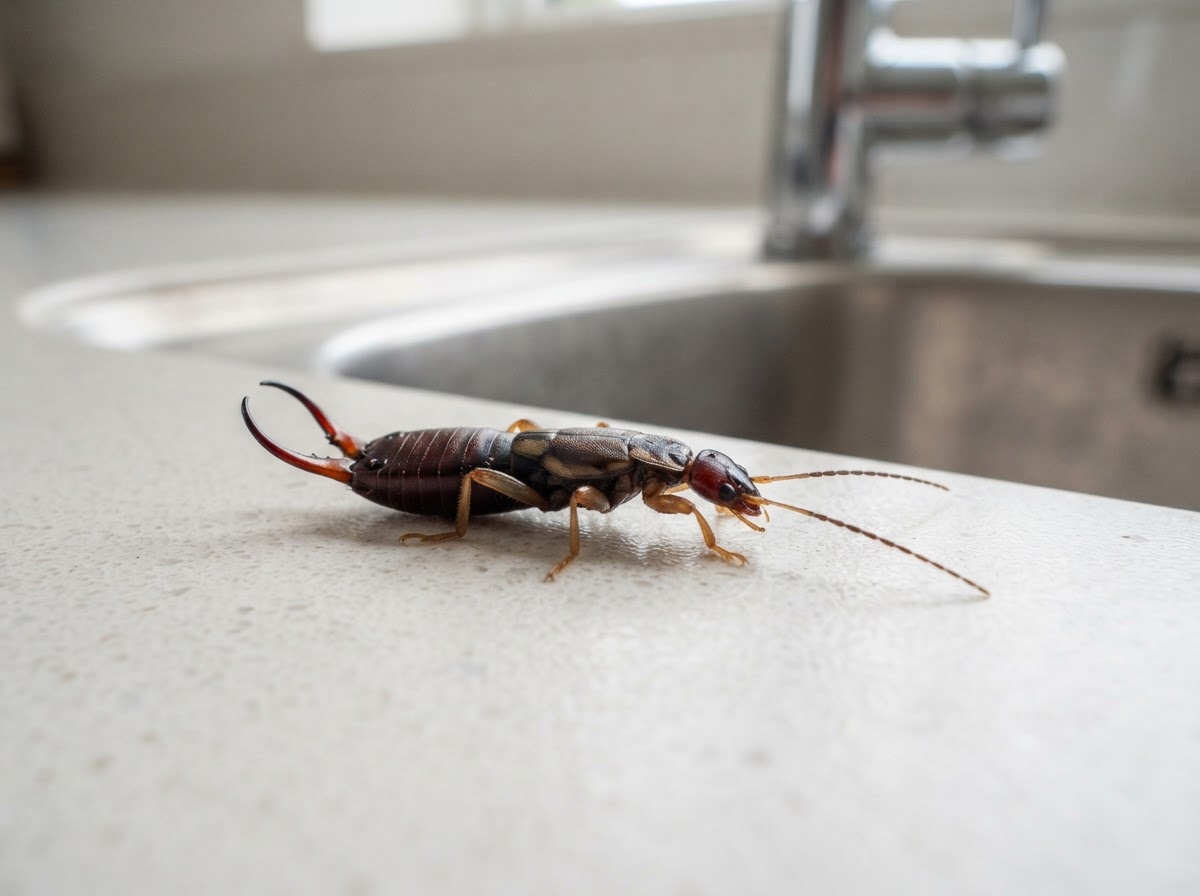
Earwigs
Earwigs shelter in damp, hidden places and may wander indoors; repeated sightings can point to nearby moisture, debris or entry gaps.
See more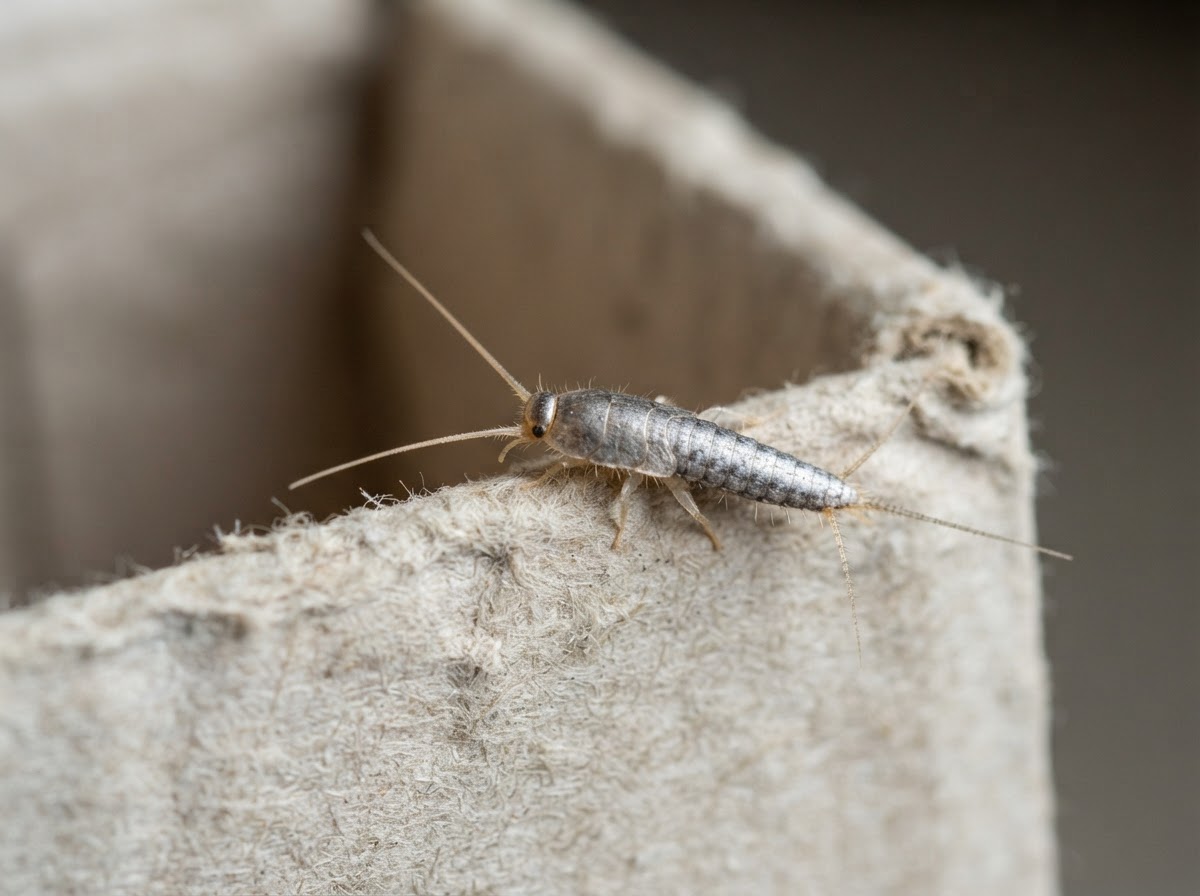
Silverfish
Silverfish are small, wingless insects that favour sheltered, often humid spaces and may feed on paper, starches or fabrics in buildings.
See more