
Centipedes
Centipedes are many-legged arthropods that hunt smaller creatures and favour sheltered places; some can bite if handled or disturbed.
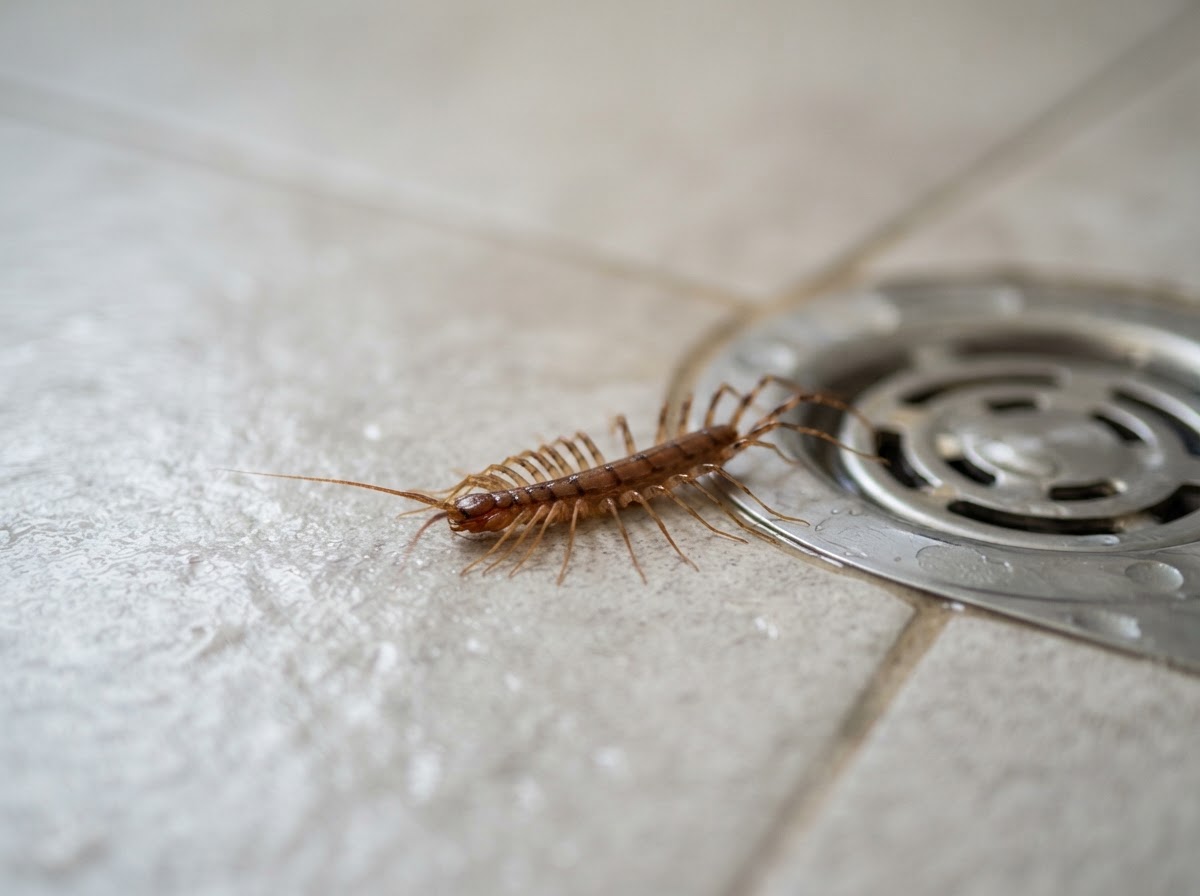
Centipedes are long-bodied arthropods with many pairs of legs, and they move quickly. Their appearance varies, but many have a flattened, segmented body and are noticed darting into a dark gap when disturbed. Around Accra homes and compounds, they may shelter in damp, shaded places outdoors or turn up in bathrooms, ground-floor rooms and storage areas. Keep clear and do not handle one, since some centipedes can bite when handled.
An occasional sighting may be an unwelcome surprise, while repeated sightings can point to damp shelter, easy entry or other small prey nearby. Crepps can inspect the affected areas, identify the centipede as far as possible and look for these conditions. An IPM plan starts with practical moisture reduction and proofing, followed by monitoring. Targeted treatment is considered only where needed, based on the inspection and the level of activity.
Signs
You may see a fast-moving, many-legged animal in a bathroom, ground-floor room, store or shaded compound area. Centipedes often disappear into cracks or clutter. Repeated sightings in damp corners are a reason to check nearby hiding places and gaps.
Why it matters
A centipede indoors can alarm residents, and handling it may result in a bite. Repeated sightings can also point to damp hiding places, entry gaps or other small insects nearby. Checking the conditions helps distinguish an occasional invader from activity that needs attention.
The IPM approach
We inspect where centipedes appear, identify them as far as possible and look for damp shelter, prey and entry routes. We recommend practical moisture reduction and proofing, then monitor activity. If further control is needed, treatment is targeted to the relevant area rather than routine blanket spraying.
Prevention
Reduce damp conditions where practical, clear clutter and leaf debris beside walls, and seal gaps around doors or service openings. Keep screens in good repair and avoid reaching into dark spaces without checking. Do not handle a centipede; note where sightings occur.
Worried about centipedes?
Book an inspectionRelated pests
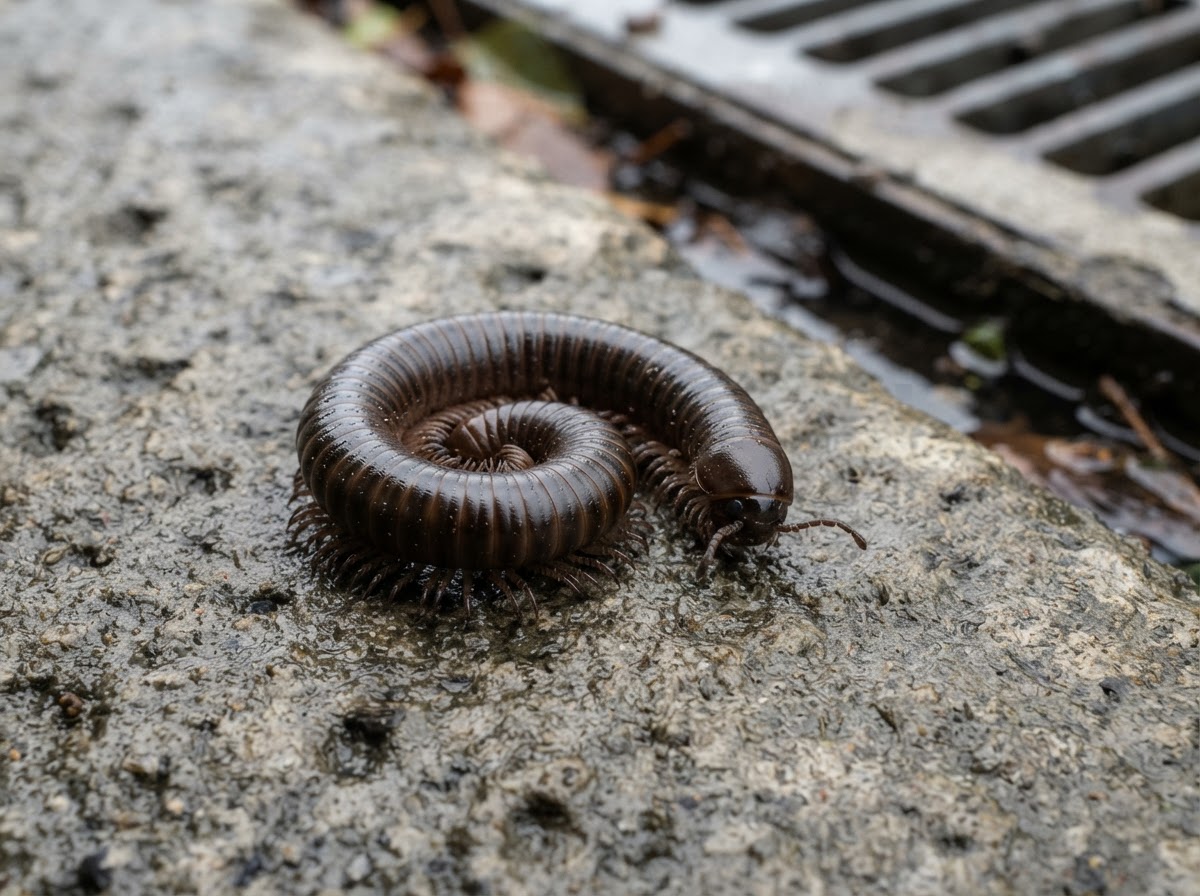
Millipedes
Millipedes usually feed on decaying plant matter outdoors; after wet weather they may enter ground-floor rooms through small gaps.
See more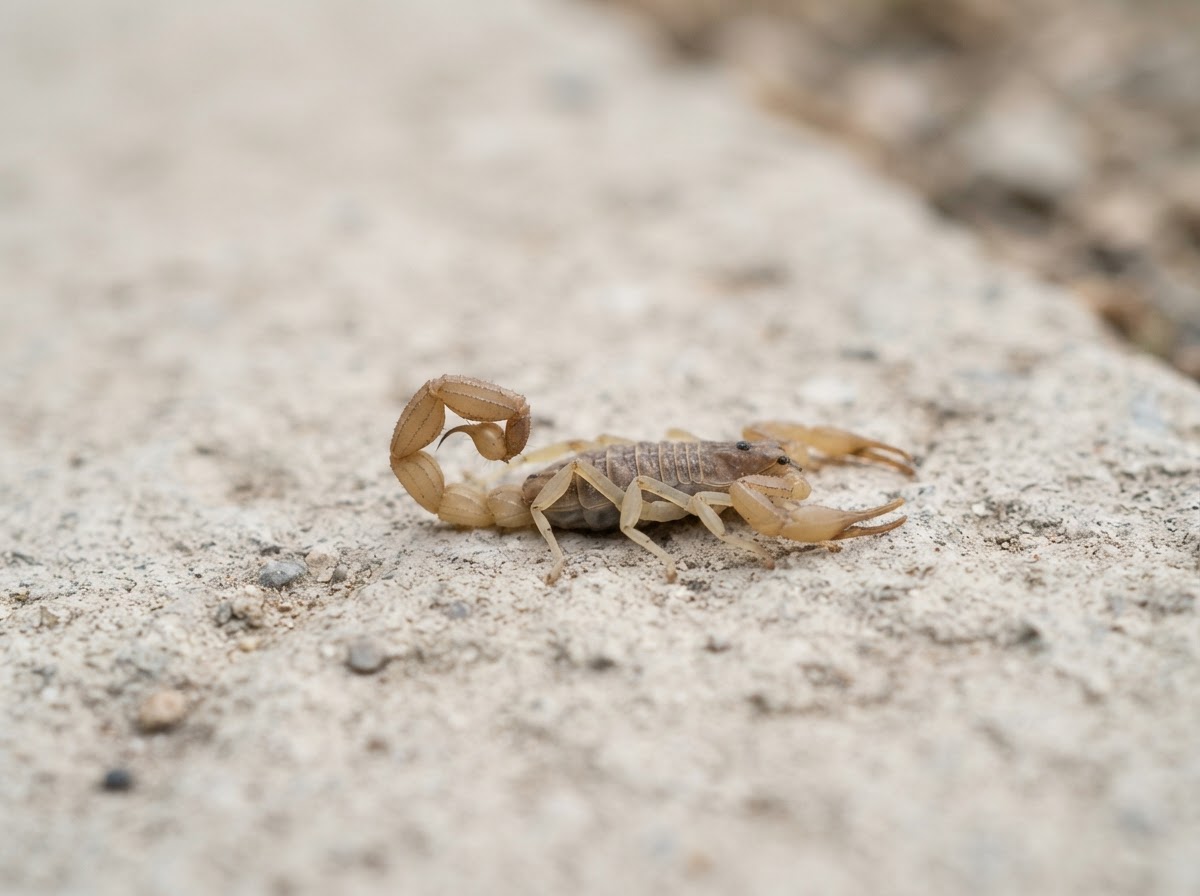
Scorpions
Scorpions are eight-legged arachnids with pincers and a tail; an unfamiliar one indoors should be left untouched and assessed cautiously.
See more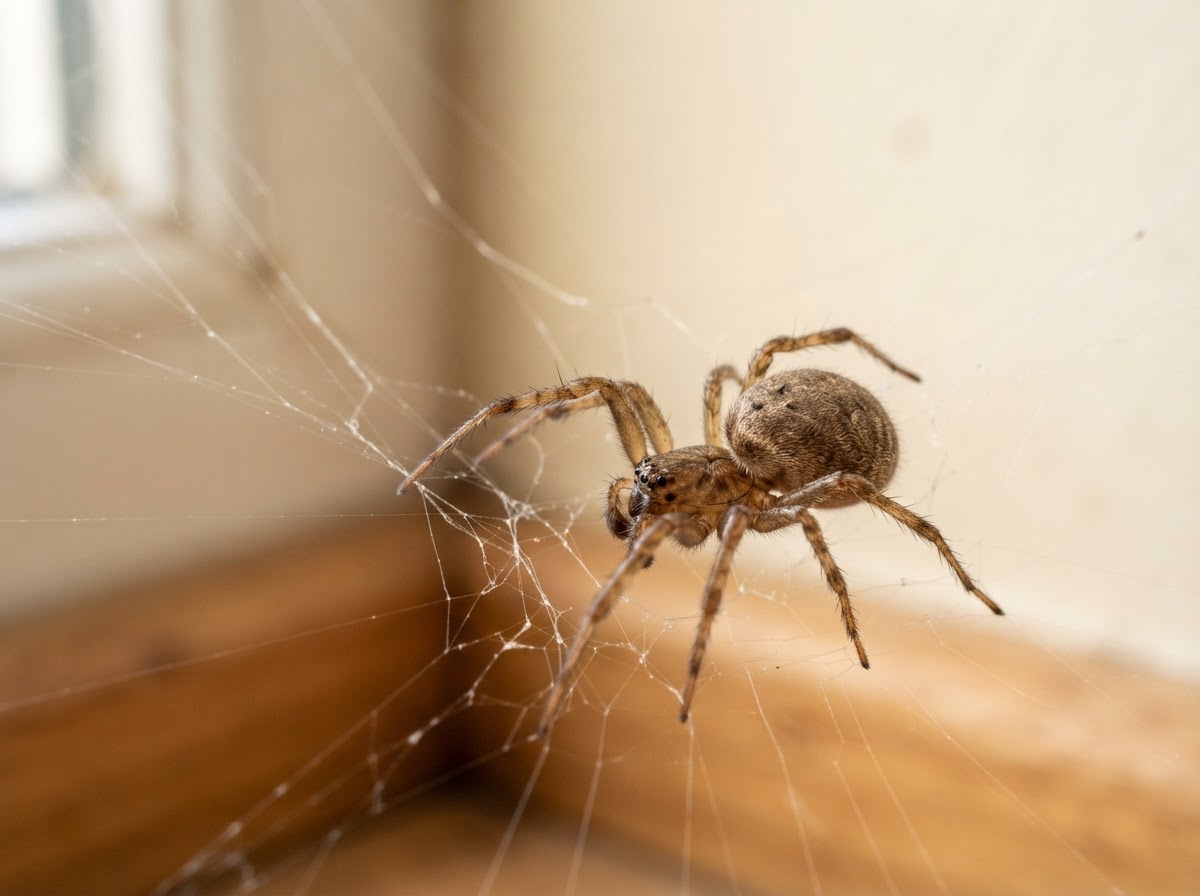
Spiders
Spiders are arachnids that feed on small creatures and may settle in quiet corners; repeated indoor sightings can unsettle occupants.
See more