
Ticks
Ticks are small arachnids that attach to people or animals to feed; finding one can prompt checks of pets and nearby resting areas.
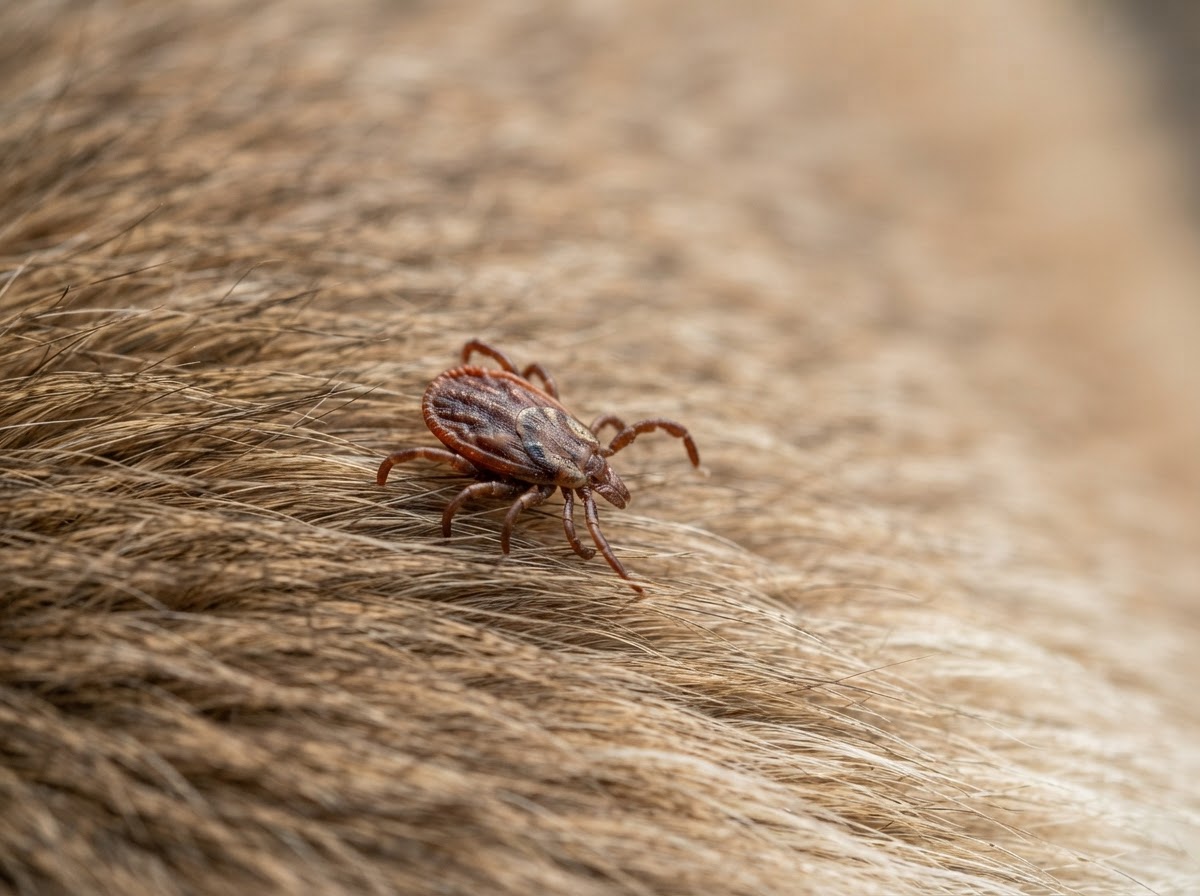
Ticks are small, blood-feeding arachnids related to spiders. They may attach to people or animals, and some kinds can be brought indoors on pets. Around homes and compounds in Accra, ticks may be found on pets, in kennels and gardens, or indoors where an animal rests. Their size and appearance vary with the species and life stage, so a suspected tick should be assessed rather than identified by appearance alone.
Ticks can be a nuisance for pets and people, and some species can carry disease. Finding them on an animal, in a kennel or in a room calls for checking the source and extent of activity. Crepps can inspect relevant indoor and outdoor areas, identify the pest as far as possible, and look at access routes and animal resting places. The IPM plan combines prevention and monitoring with targeted treatment only where needed. Seek medical advice if you are bitten and unwell.
Signs
Look for small attached or crawling ticks on pets, around kennel bedding, in garden vegetation or near places where animals rest. A tick found indoors may have arrived on a pet. Note where it was found and check whether sightings recur in the same area.
Why it matters
Ticks feed on blood and some species can carry disease. Pets may bring ticks into a home, kennel or sleeping area, so repeated findings deserve attention. If you are bitten and feel unwell, seek medical advice. Do not rely on an uncertain visual identification.
The IPM approach
We inspect pet resting places, kennels, gardens and affected indoor areas, then identify the tick as far as possible and check its likely source. The plan considers exclusion, habitat changes and monitoring. Treatment is targeted to relevant areas only where needed; pet care should be discussed with a veterinary professional.
Prevention
Check pets regularly and speak with a veterinary professional about suitable tick prevention for them. Keep kennel bedding and animal resting areas clean, and maintain garden edges where ticks may shelter. Note any ticks found indoors and arrange an inspection if sightings continue.
Worried about ticks?
Book an inspectionRelated pests
Fleas
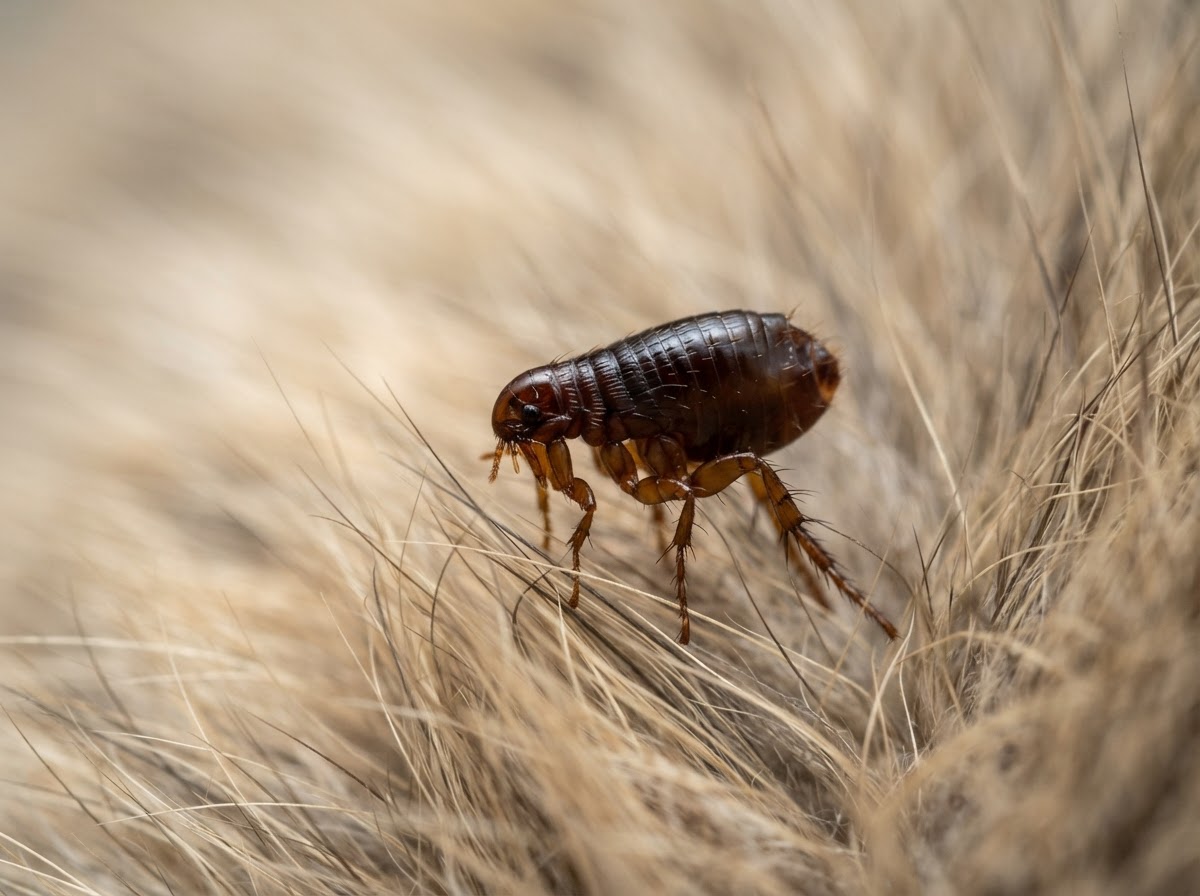
Fleas are small jumping insects associated with animal resting places; bites and recurring activity can cause discomfort for people and pets.
See more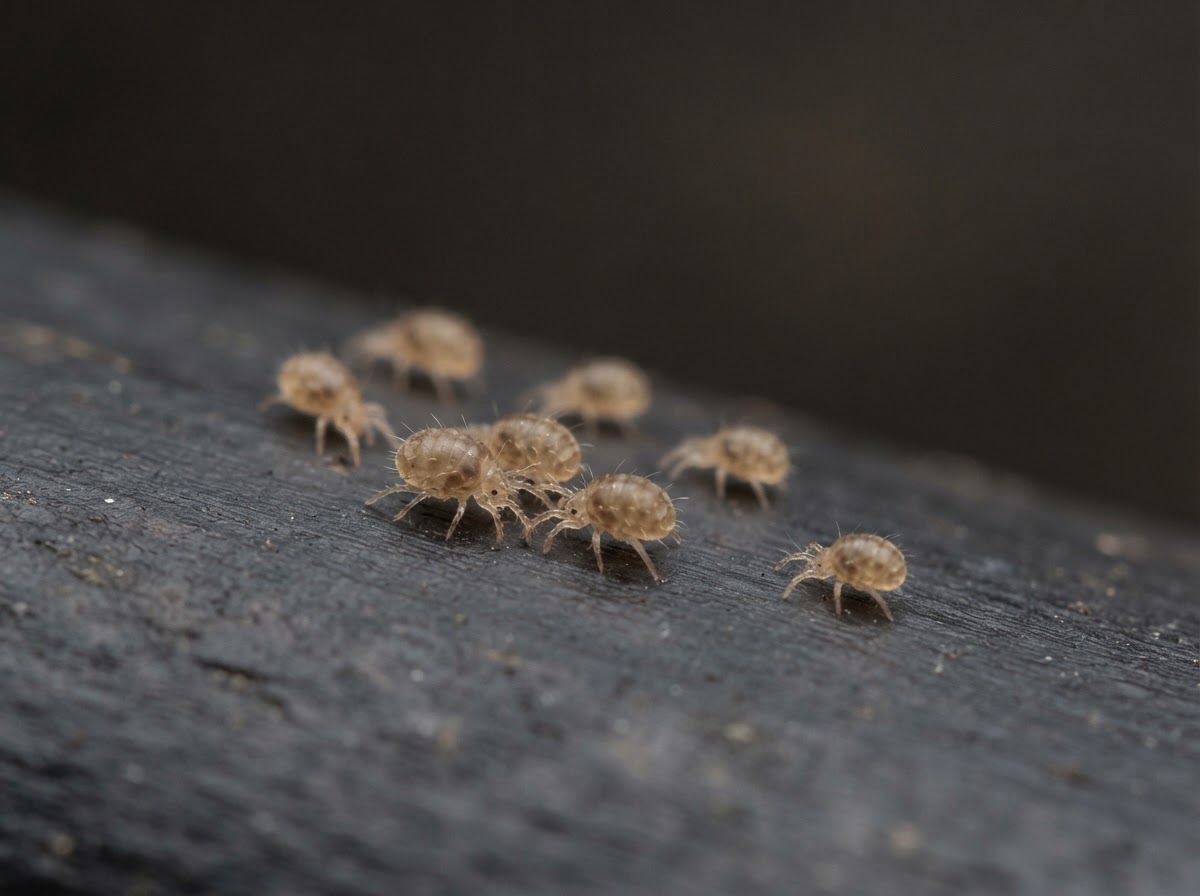
Mites
Mites are tiny arachnids with varied habits; some may affect people, animals or stored goods, so identifying the source matters.
See more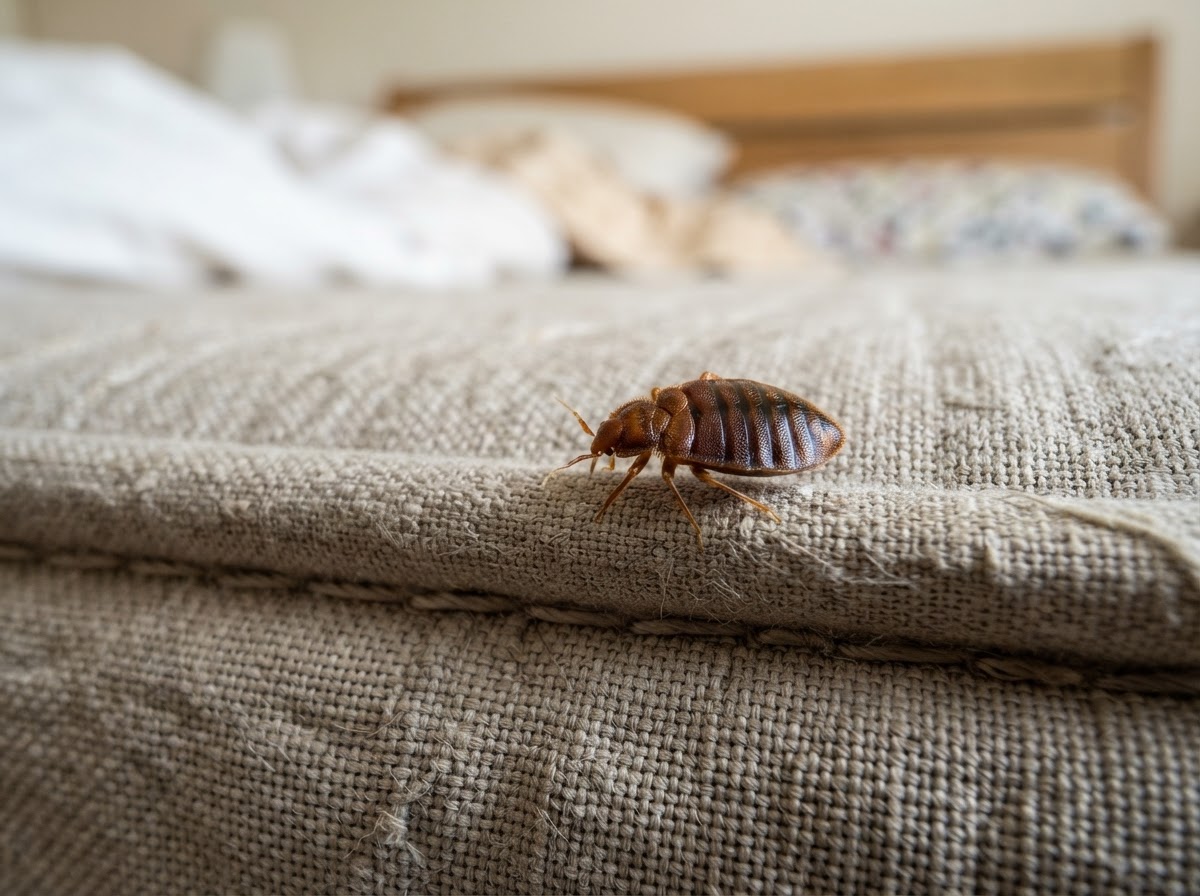
Bed bugs
Bed bugs hide close to sleeping or resting places and feed on blood; bites and disturbed sleep can affect households and guest accommodation.
See more