
Bed bugs
Bed bugs hide close to sleeping or resting places and feed on blood; bites and disturbed sleep can affect households and guest accommodation.
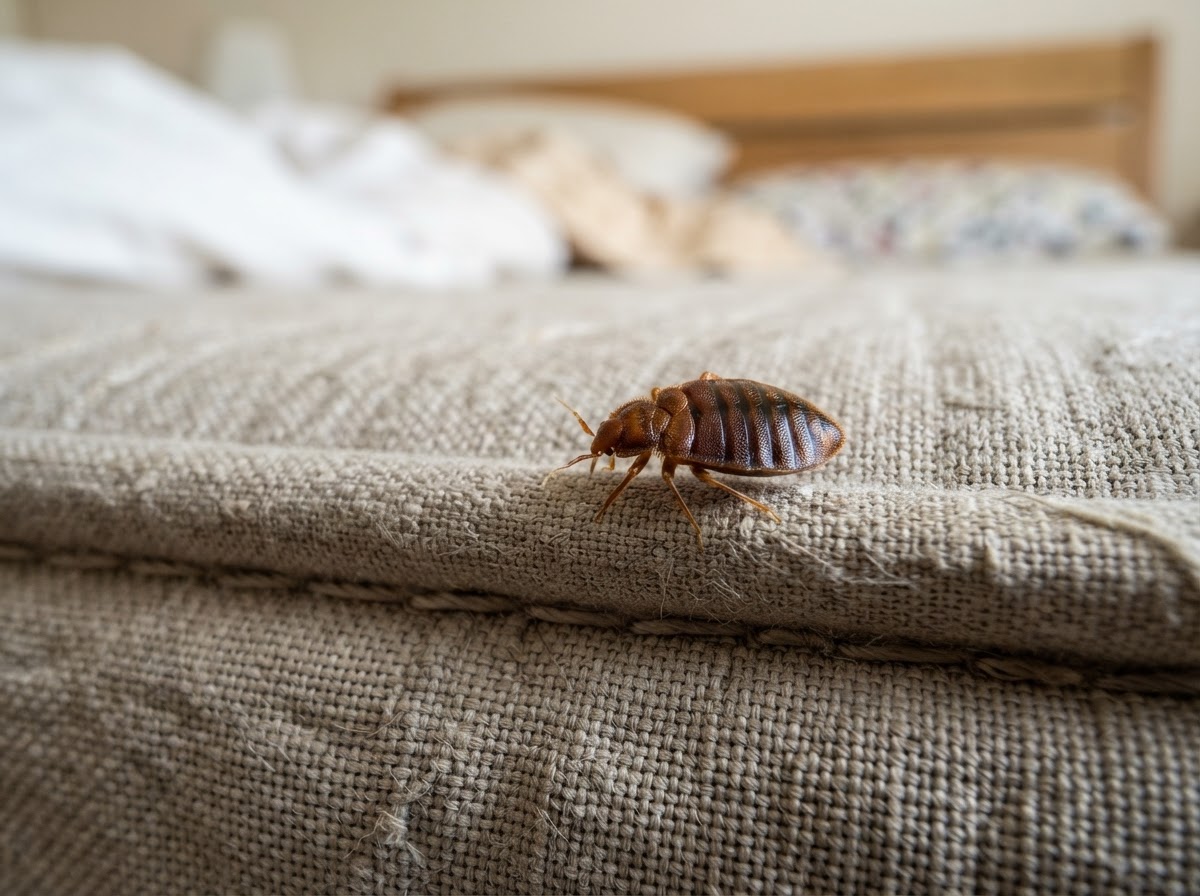
Bed bugs are small, flattened insects that feed on blood and tend to hide close to places where people rest. They do not fly, and they can be transported in luggage, clothing, furniture and other belongings. In homes, guest accommodation and shared buildings, they may settle in seams, joints, cracks and other protected spaces near beds or seating. Their presence is not a sign that a room is dirty, and cleaning alone is not a dependable way to address an established problem. Careful identification helps separate bed bugs from other small insects that may be found indoors.
Bed bug bites can cause itching and disturbed sleep, and reactions vary from person to person. The stress of uncertainty can also be difficult, particularly when several rooms or neighbouring units may be involved. Crepps can inspect the relevant areas, assess the extent of activity and explain a tailored plan for the property. Treatment choices depend on the site and findings, and may involve more than one carefully planned step. Residents can help by limiting movement of potentially affected belongings and following preparation guidance, so activity can be assessed accurately and unnecessary spread can be avoided.
Signs
Identifying bed bugs is essential to ensure you avoid carrying them with you. Here are a few ways to spot bed bugs:
- They are oval shape and only grow to about 5 mm in length
- Prior to feeding, they are brown and flat and afterwards, they become more red in colour, swollen, and elongated
- Bed bugs have 6 legs and 2 antennae
- Despite having reduced "wing pads," bed bugs do not have wings and cannot fly.
Why treatment matters
Bed bugs aren't known to spread disease, but their bites cause itching, welts and sometimes allergic reactions or skin infections from scratching. Many people also suffer lost sleep, anxiety and stress, which is often the biggest impact. For hotels and other commercial sites, an infestation can mean complaints, bad reviews, lost bookings, and costs for replacing bedding and furniture.
The IPM approach
A thorough inspection is done for identification and assessing infestation levels, an appropriate treatment method is decided based (heat, steaming and a careful use of pesticide if necessary) on the infestation level and the nature of the infested facility.
Prevention
If you believe there is an infestation in your home, there are several steps you can take to reduce or prevent bed bug bites. First, you should regularly wash your sheets and pillowcases using high heat. Any bed bugs that are in your bedding will be killed in the wash. However, be careful when transporting the bedding to the washing machine, as you don't want to end up spreading the bed bugs throughout the house. However, the best way to prevent bites is by contacting us for a thorough inspection.
Worried about bed bugs?
Book an inspectionRelated pests
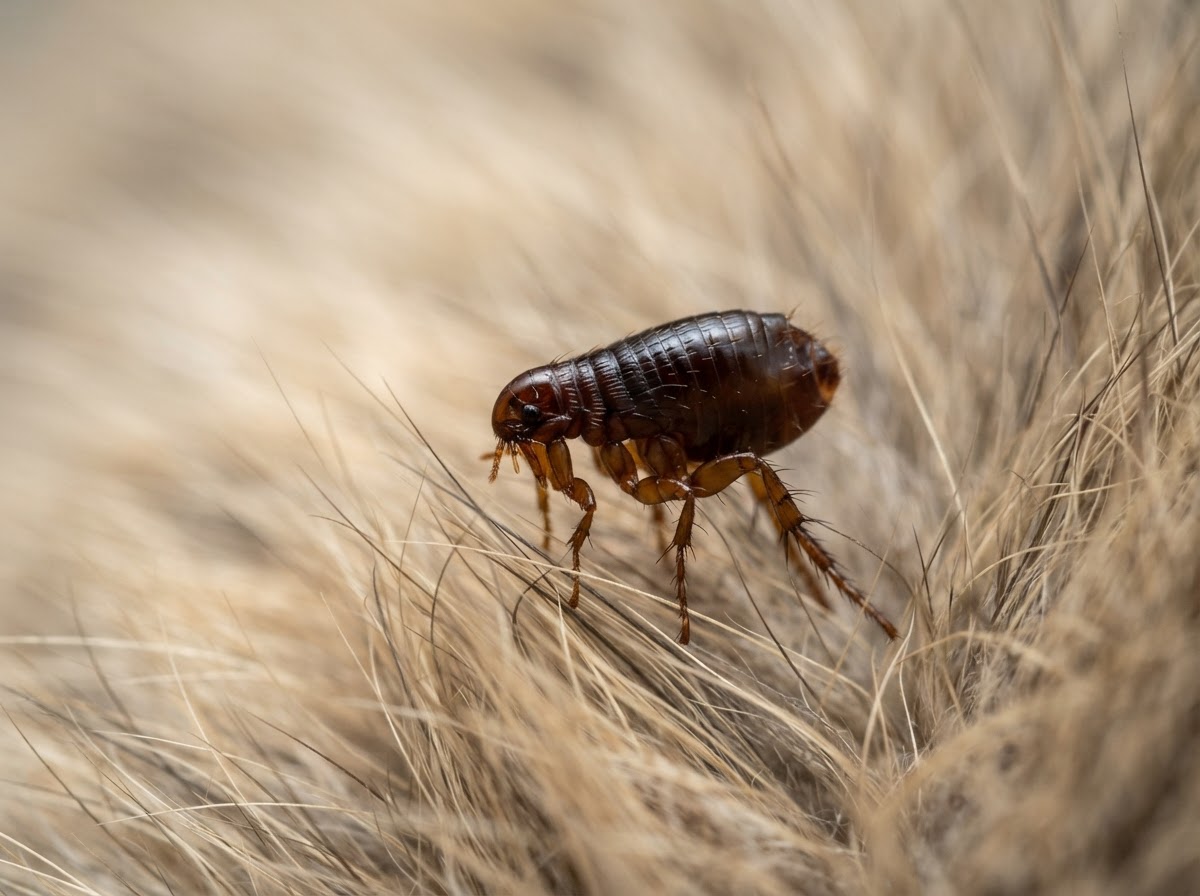
Fleas
Fleas are small jumping insects associated with animal resting places; bites and recurring activity can cause discomfort for people and pets.
See more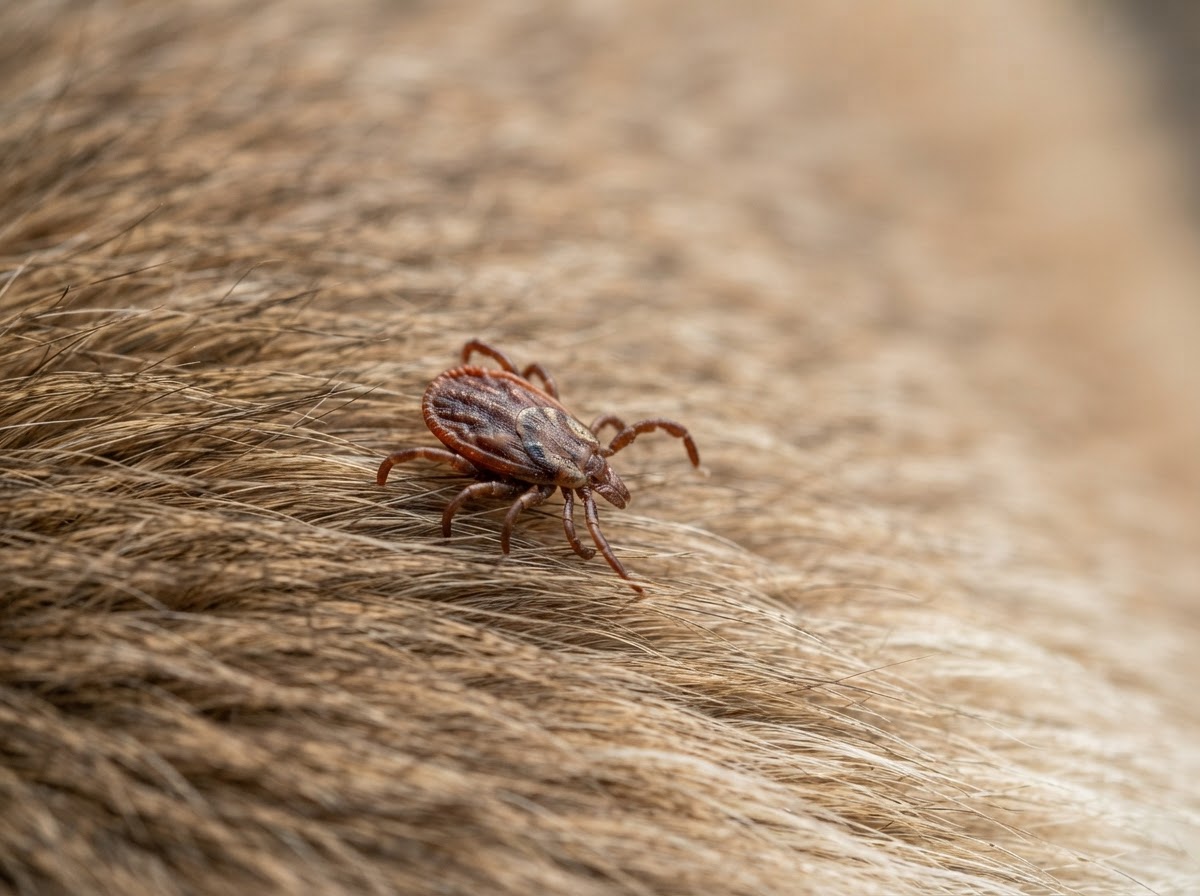
Ticks
Ticks are small arachnids that attach to people or animals to feed; finding one can prompt checks of pets and nearby resting areas.
See more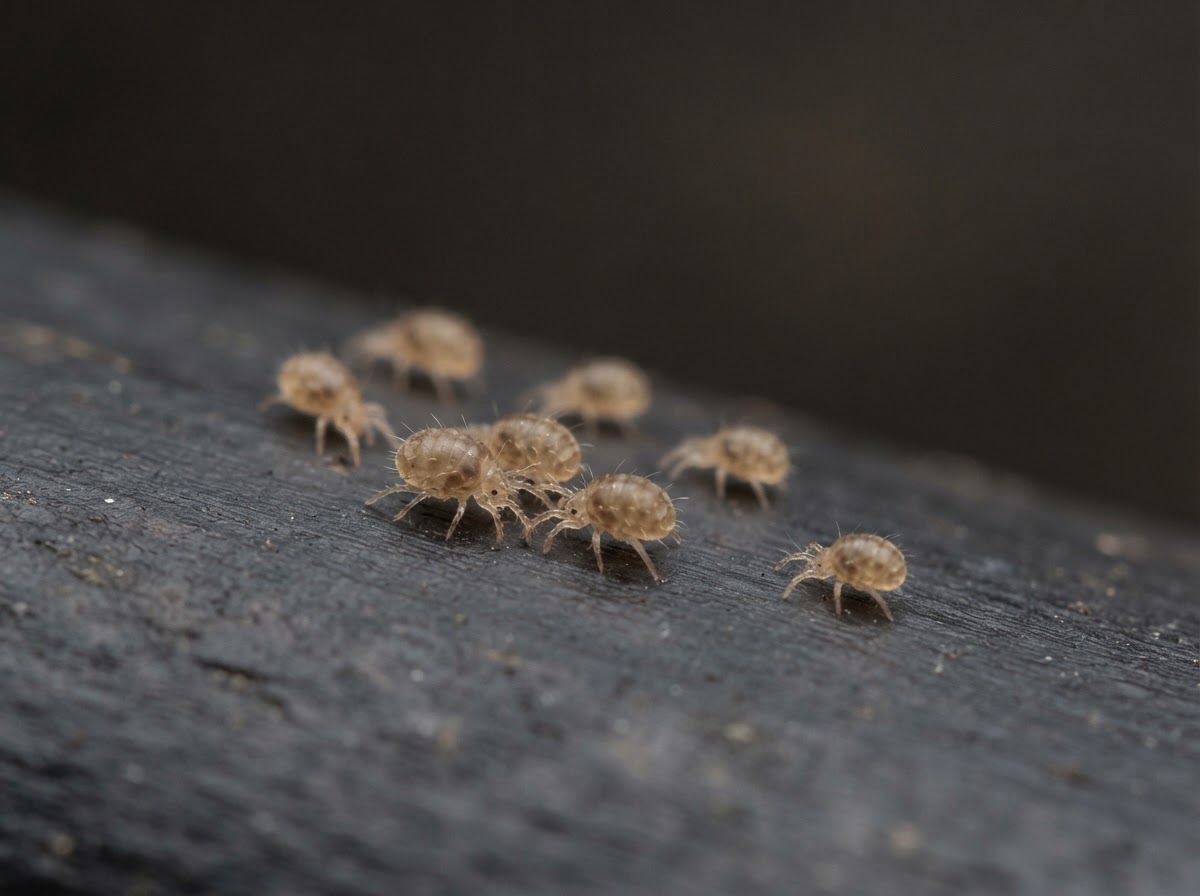
Mites
Mites are tiny arachnids with varied habits; some may affect people, animals or stored goods, so identifying the source matters.
See more