
Wasps
Wasps may build nests in sheltered places around buildings; nearby activity can create concern because some species sting when disturbed.
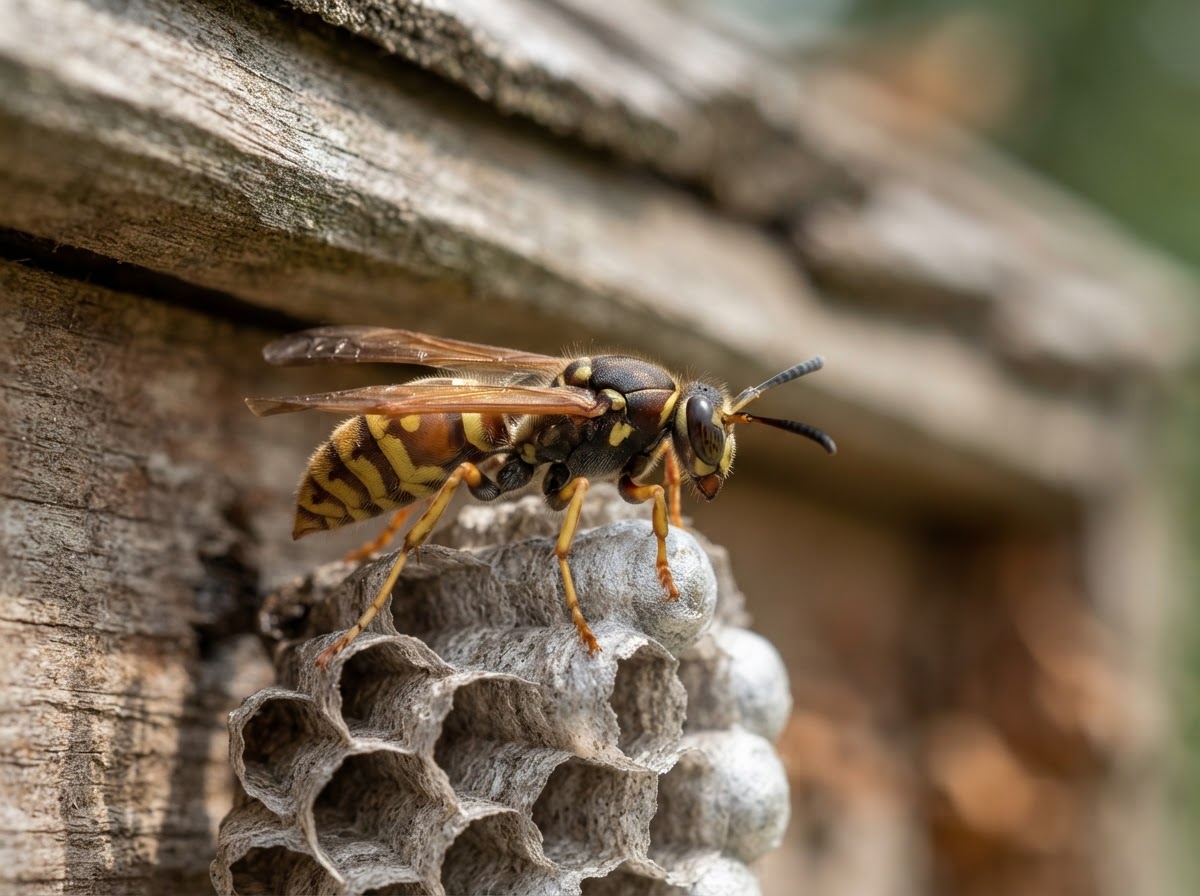
Wasps are flying insects that may visit gardens and compounds while searching for food or materials. Some build nests in sheltered places on buildings, under roof edges, in sheds or among vegetation, while others may nest below ground. A single wasp outdoors does not necessarily mean a nest is close by, so the pattern and location of activity matter. Species differ in their habits and the risk they present. In Accra, people may encounter wasps around outdoor eating areas, bins, eaves and landscaped parts of a property, especially where food or shelter is available.
A nest close to people can create a risk of stings if it is approached or disturbed, and some people can have severe allergic reactions. Keep children and pets away, and call Crepps so the site can be assessed and removal considered where appropriate. The team can identify the activity, review the nest location and explain a suitable response based on the circumstances. If wasps are entering a building, details about where they appear can help locate a possible access route. Avoid blocking an opening or attempting to seal it while wasps remain active inside.
Signs
Repeated wasp traffic to one point, insects entering a gap or a visible nest under an eave, roof or sheltered structure may indicate nearby nesting. A few wasps passing through a garden may not mean there is a nest on the property. Observe from a safe distance.
Why it matters
Wasps may sting when they feel threatened or their nest is disturbed. A sting can be painful, and some people can have a serious allergic reaction. Keep people and pets away from suspected nests and avoid trying to handle or spray them yourself.
The IPM approach
We assess the wasp activity, identify the likely nest location and consider how close it is to people and pets. We explain practical precautions and whether removal is appropriate. Any control is planned for the site, with follow-up monitoring where useful, rather than disturbing a nest without assessment.
Prevention
Keep outdoor food and rubbish covered, and check sheltered building edges from a safe distance. Do not disturb or spray a nest yourself. Keep children and pets away from the area and call us for advice, especially if wasps are entering a living space.
Worried about wasps?
Book an inspectionRelated pests
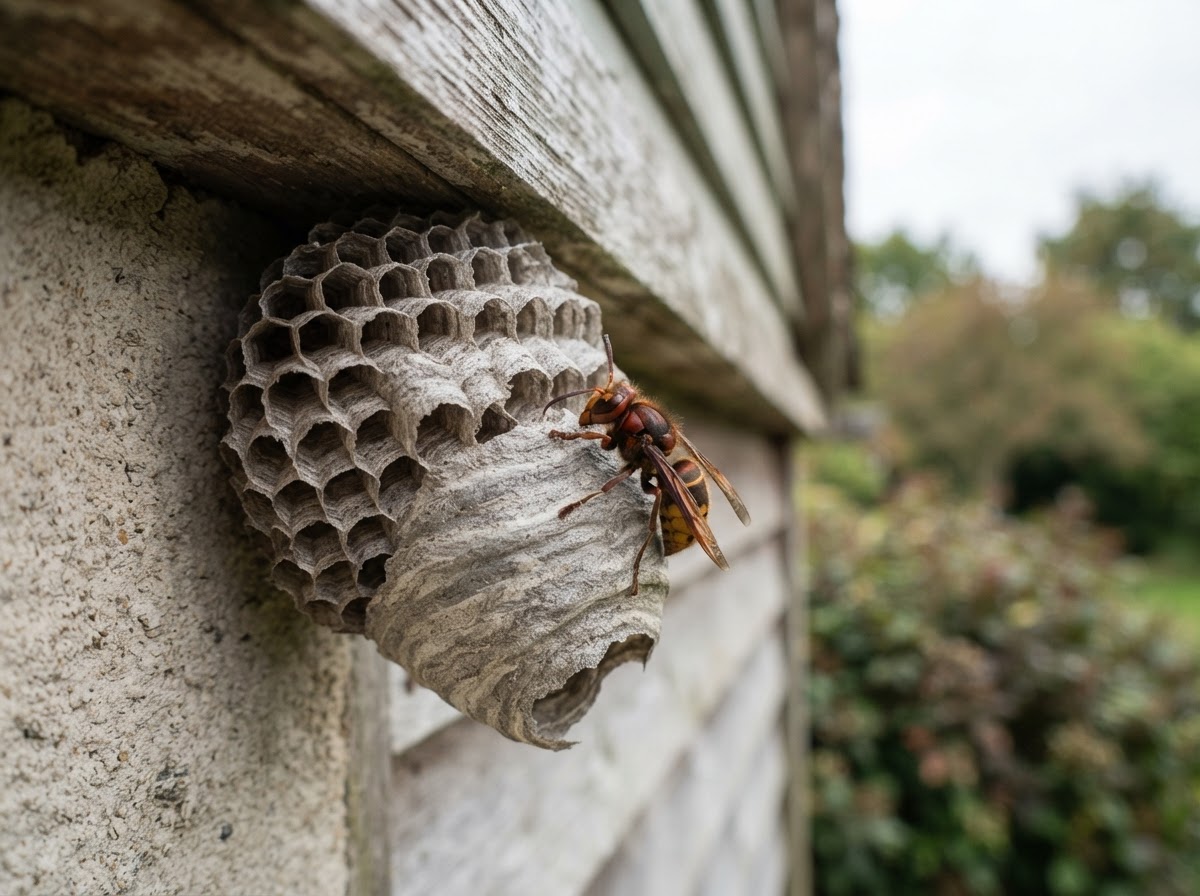
Hornets
Hornets are large social wasps that may nest in sheltered or elevated places; activity near people warrants distance and careful assessment.
See more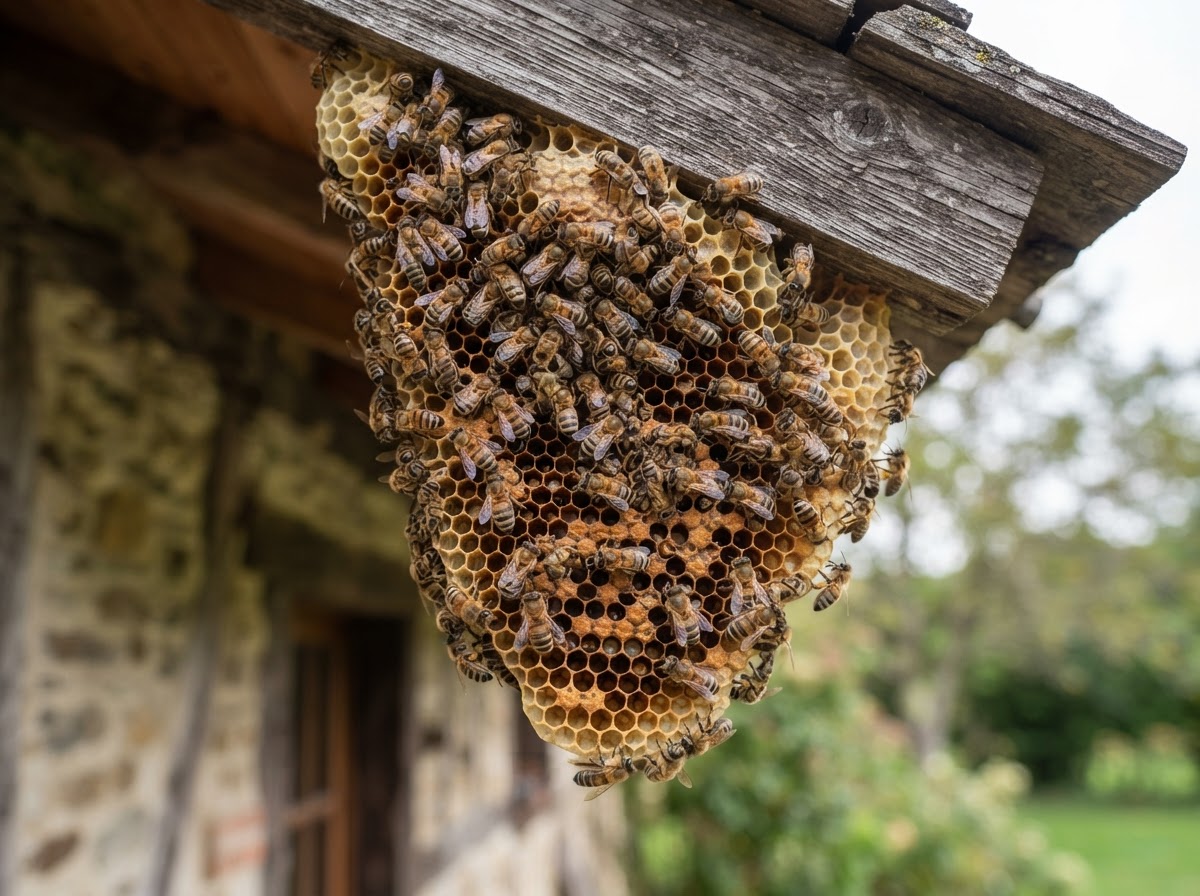
Bees
Bees may form a colony in a sheltered place or gather as a passing swarm; they are important pollinators and merit careful assessment.
See more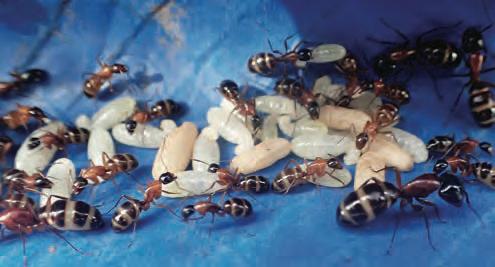
Ants
Ants form colonies and follow trails to food or water; indoors in Accra, they can become a nuisance around kitchens and stored provisions.
See more