
Bees
Bees may form a colony in a sheltered place or gather as a passing swarm; they are important pollinators and merit careful assessment.
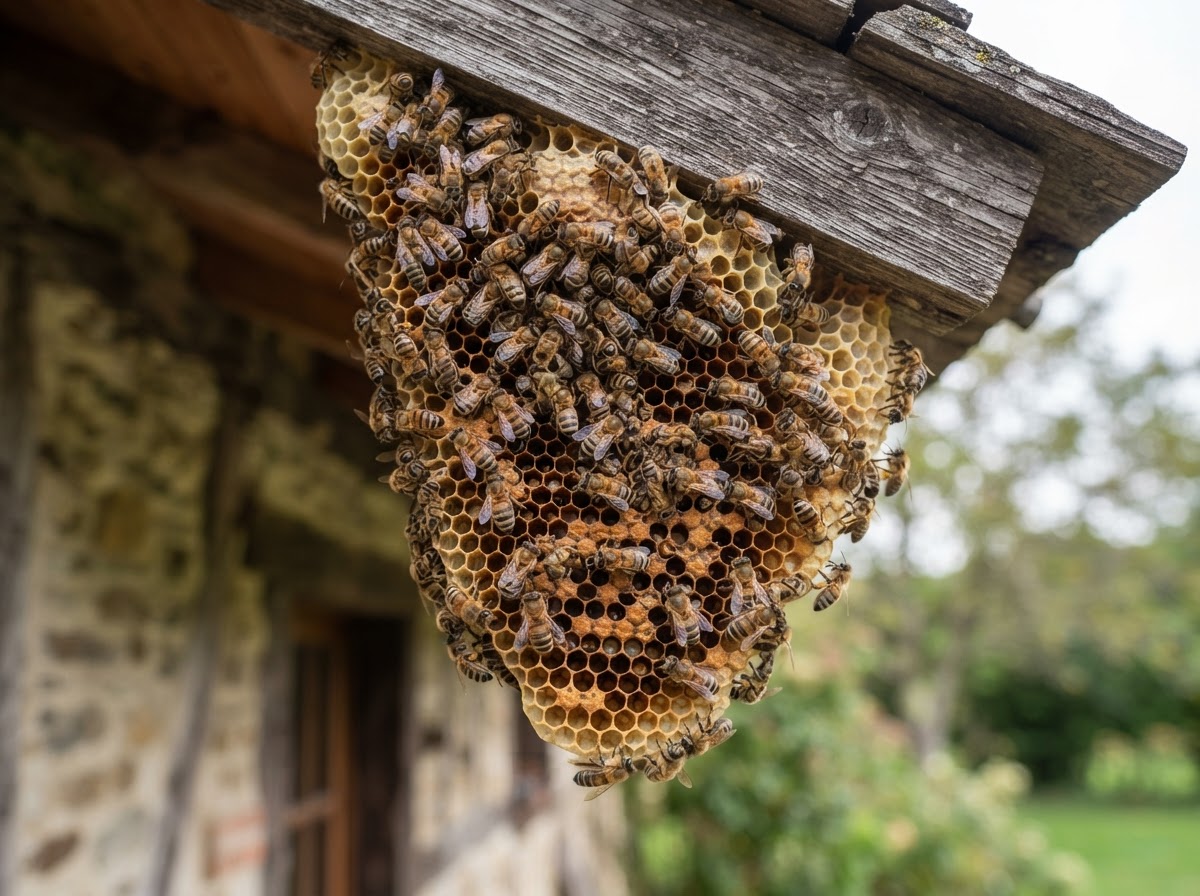
Bees may gather as a passing swarm or establish a colony in a sheltered place, such as a roof space, wall cavity, tree or garden structure. In homes and compounds around Accra, a cluster of bees near people or an entrance can be worrying, but the right response depends on where the colony is and whether it presents a practical risk. If there is more than one access point, keep the area clear until it has been assessed.
Bees are valuable pollinators, so removal is not always the right choice. Crepps first assesses whether a colony can be left undisturbed or whether safe relocation is appropriate. Do not disturb or spray bees yourself. Keep children and pets away, and contact us for advice. Our IPM approach begins with inspection and identification, then considers the least disruptive suitable action. Any removal is considered only where appropriate.
Signs
You may see a cluster of bees resting together, repeated flight to and from one point, or bees entering a gap in a wall or roof. A steady concentration in one sheltered spot may indicate a colony, but a photograph from a safe distance can help with initial identification.
Why it matters
A colony close to a doorway, play area or frequently used part of a compound can cause concern. Bees also provide valuable pollination, so treating every sighting as a pest to remove is not appropriate. The location and activity should be assessed before deciding what to do.
The IPM approach
We inspect the location and assess the bee activity before recommending action. If the colony can remain safely, removal may not be needed. Where removal is appropriate, we consider whether safe relocation is suitable. We explain the recommended next steps and avoid unnecessary treatment.
Prevention
Keep children and pets away from a cluster or colony, and do not block its entrance, disturb it or spray it. Avoid work close to the bees and contact us for advice. After assessment, we can discuss practical steps for the affected part of your property.
Worried about bees?
Book an inspectionRelated pests
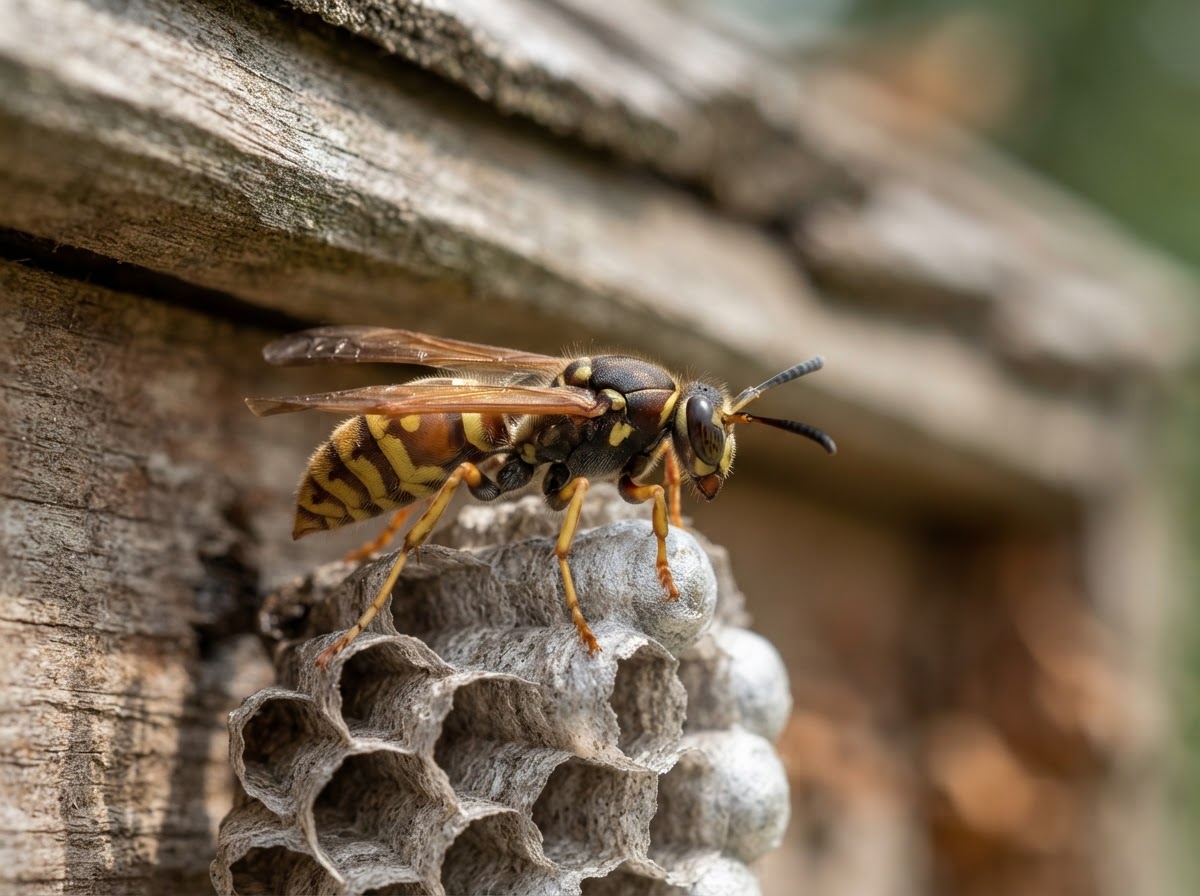
Wasps
Wasps may build nests in sheltered places around buildings; nearby activity can create concern because some species sting when disturbed.
See more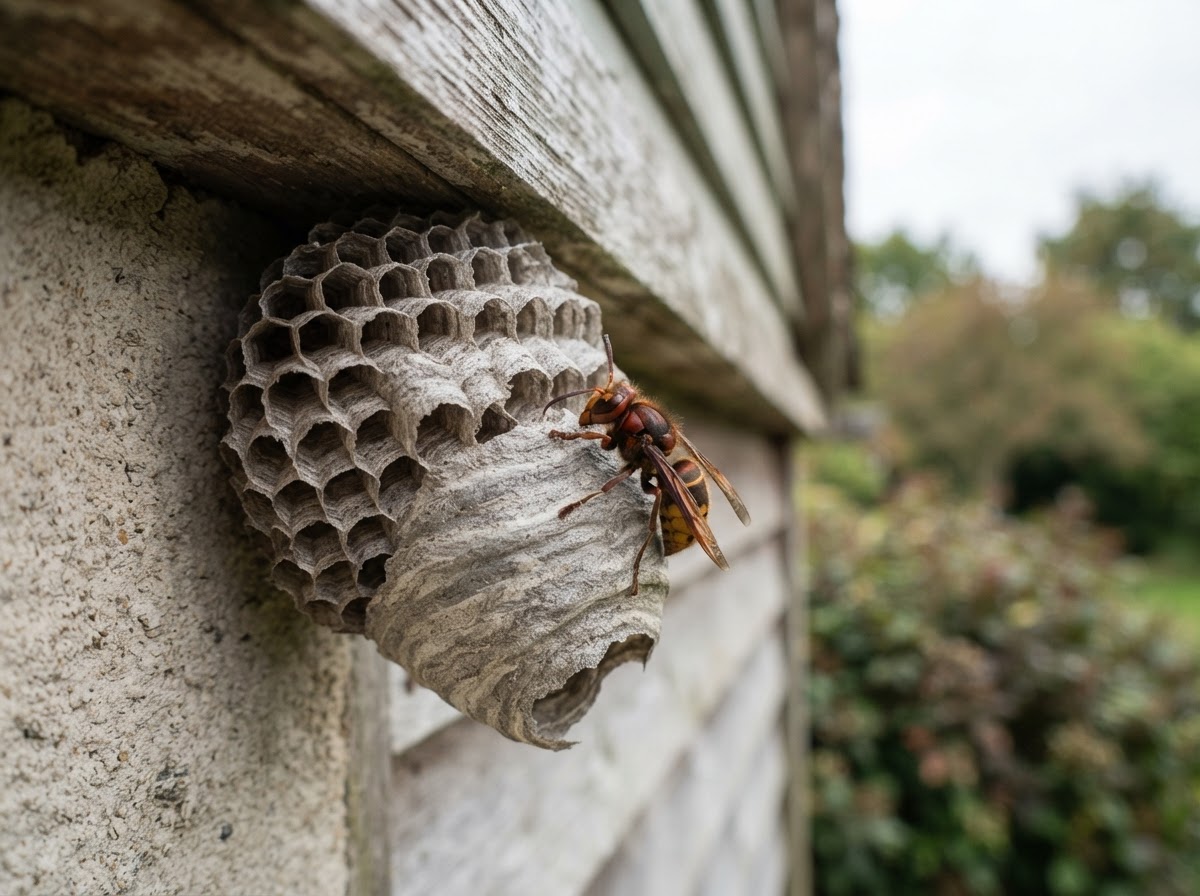
Hornets
Hornets are large social wasps that may nest in sheltered or elevated places; activity near people warrants distance and careful assessment.
See more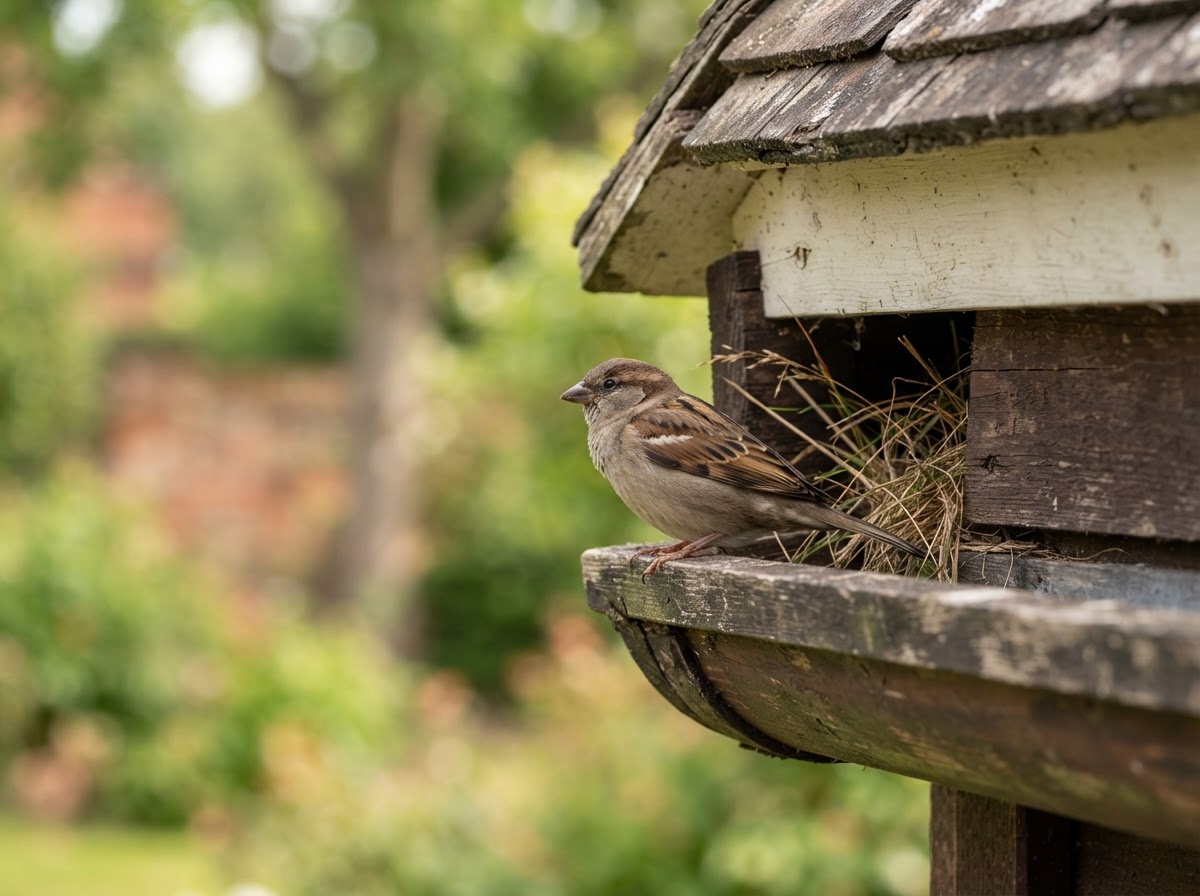
Other birds
Birds may nest or perch on buildings and compounds; species, nesting stage and location inform respectful advice and lawful options.
See more