
Other birds
Birds may nest or perch on buildings and compounds; species, nesting stage and location inform respectful advice and lawful options.
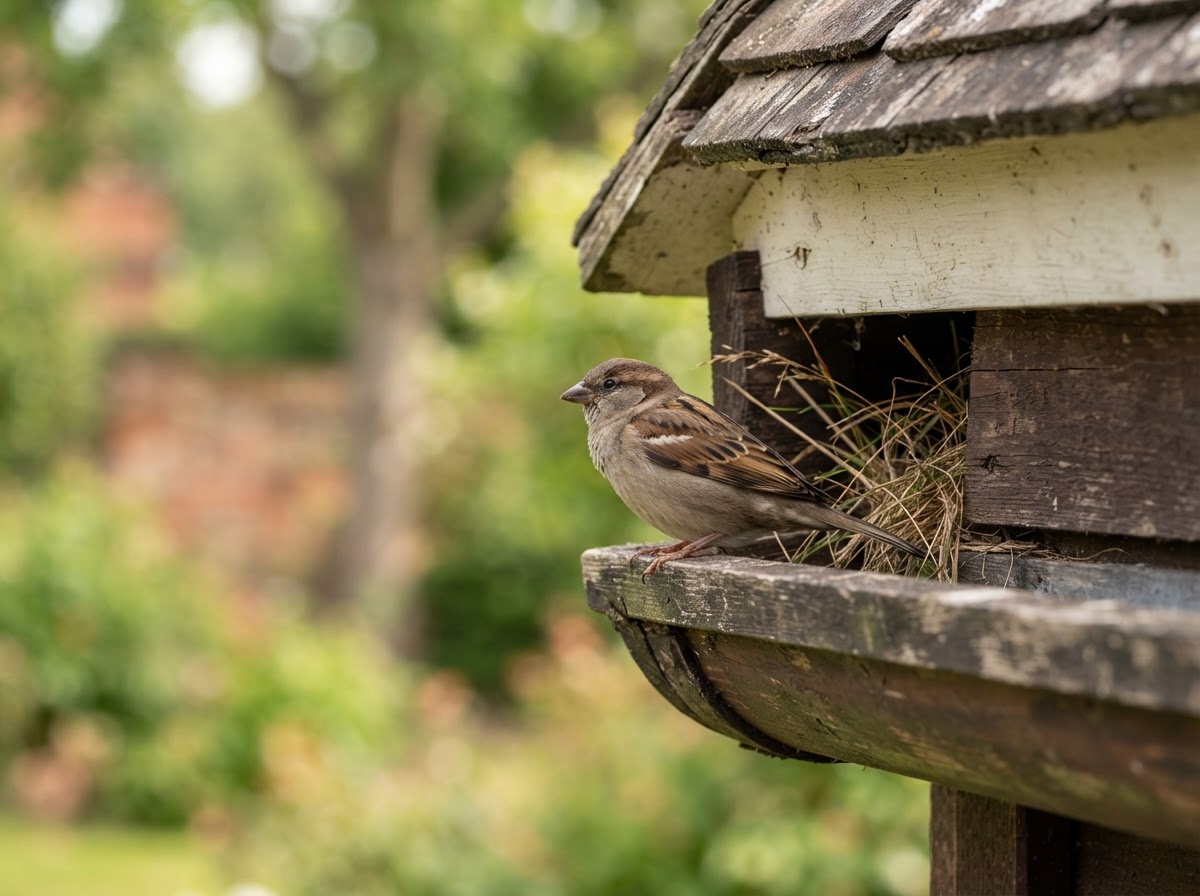
Birds may nest in roof gaps, beneath eaves, in vents or in other sheltered parts of a building. You might notice regular flights to one opening, nesting material, calls from a roof space or droppings below a perch. In homes and compounds around Accra, buildings can offer convenient shelter, particularly where openings are left accessible. Different birds have different habits, so it is useful to note the location and activity without approaching a nest or trying to handle the birds.
Nests and droppings can soil surfaces or interfere with building openings, and calls or repeated visits may disturb occupants. Birds are wildlife, so the aim is to keep them out of buildings without harm. Crepps can inspect the site and advise on proofing, humane deterrents, cleaning and prevention. Any intervention must be considered carefully and be lawful. Removing food attractions, closing access at the suitable time and monitoring activity can help reduce recurring building use.
Signs
Watch for birds repeatedly entering a roof gap or space beneath the eaves, nesting material near an opening, or droppings under a regular perch. Calls from a roof space may also draw attention to activity. Note the location from a safe distance and avoid disturbing a nest.
Why it matters
Nesting material and droppings can soil surfaces or interfere with vents and gutters, while persistent calls and movement may disturb occupants. Accumulated droppings need careful cleaning with protection. Assessing the site helps address building access while respecting wildlife.
The IPM approach
We inspect likely nesting and perching areas, identify access points and check for food or shelter attracting birds. Advice may include sealing gaps, suitable netting or humane deterrents, careful cleaning and monitoring. The aim is to prevent access to buildings without harming birds or disturbing them unnecessarily.
Prevention
Keep roof gaps, vents and eaves maintained, and remove accessible food scraps and refuse that could attract birds. Consider suitable netting or other humane deterrents after the site is assessed. Do not block an opening until it is clear that no birds or dependent young are inside.
Worried about other birds?
Book an inspectionRelated pests
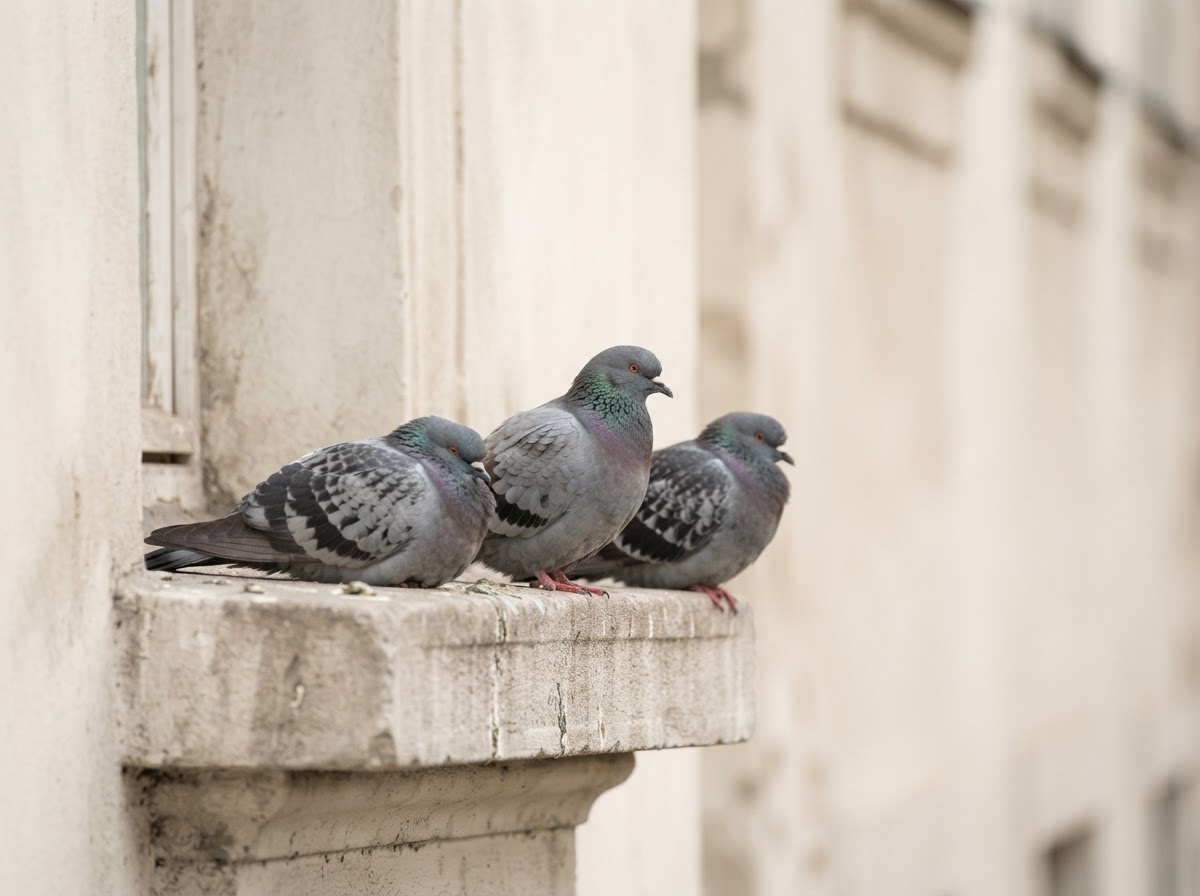
Pigeons
Pigeons may roost on ledges, roofs and sheltered structures; droppings and nesting material can affect building cleanliness and maintenance.
See more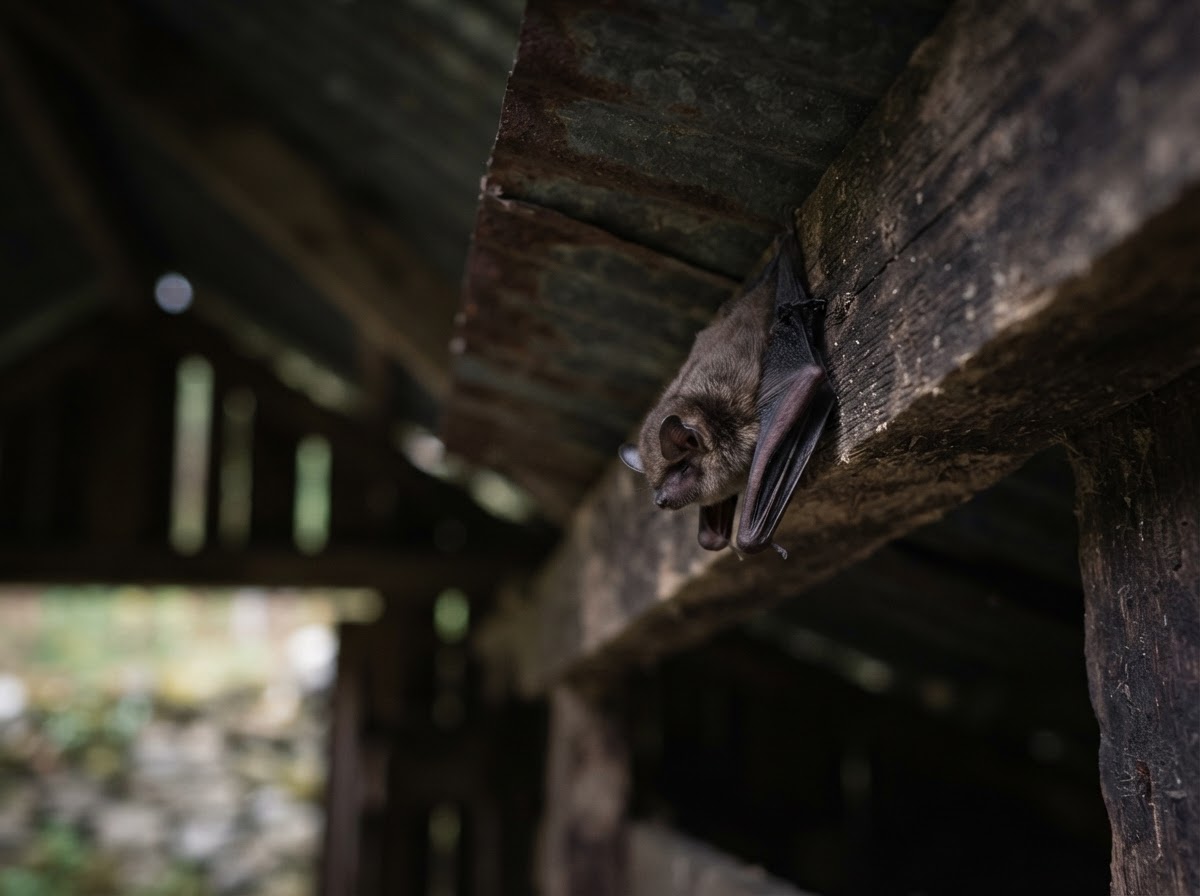
Bats
Bats may roost in roof spaces or other sheltered structures; avoid handling them and seek advice on safe, lawful proofing options.
See more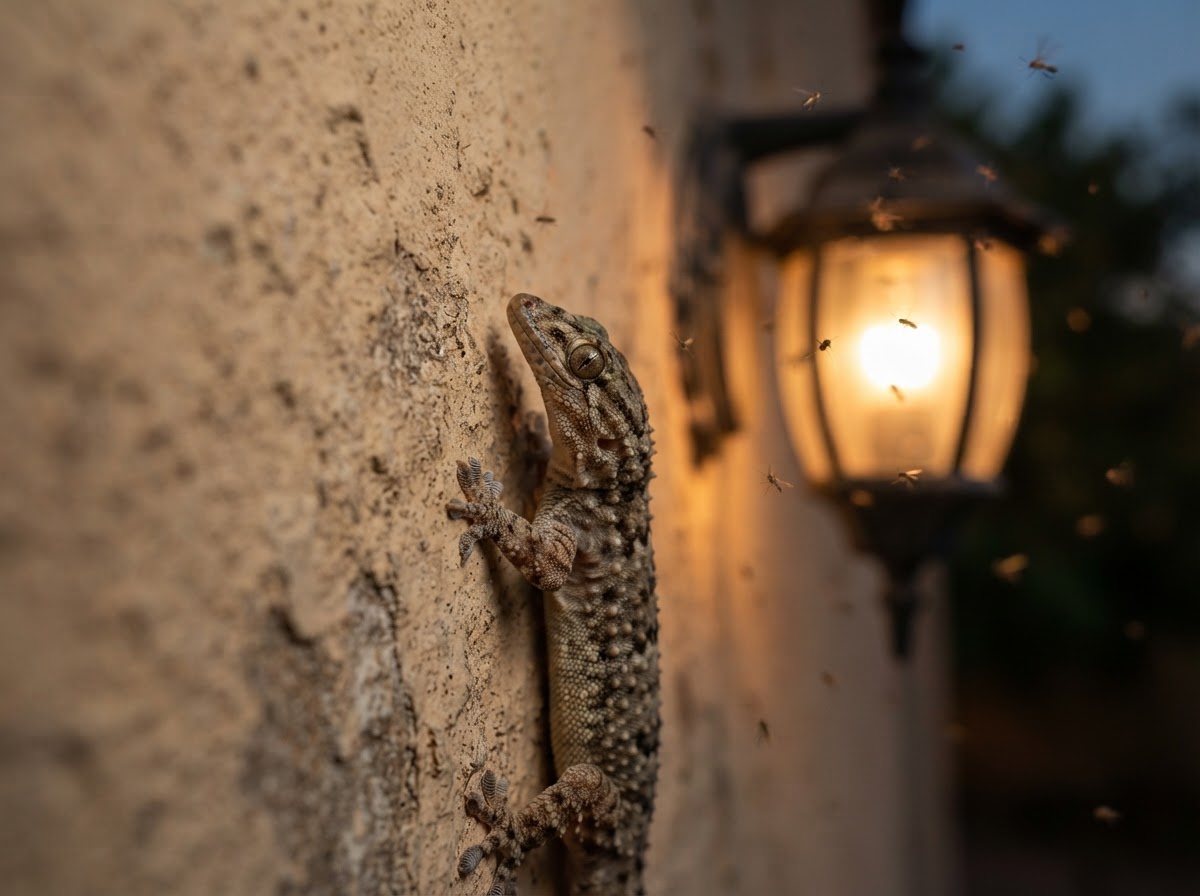
Geckos
Geckos often hunt insects near lights and may shelter on walls or ceilings; droppings and entry gaps can concern occupants.
See more