
Bats
Bats may roost in roof spaces or other sheltered structures; avoid handling them and seek advice on safe, lawful proofing options.
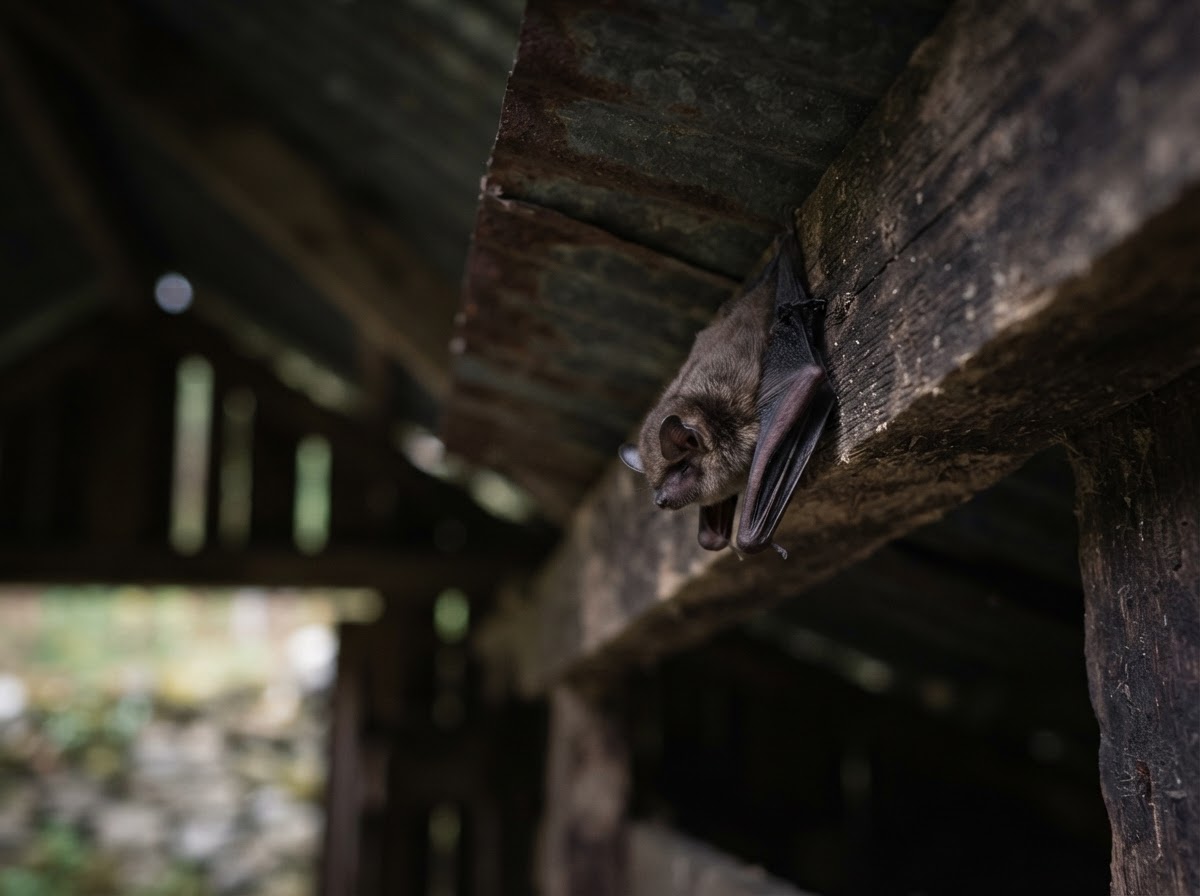
Bats are flying mammals that may roost in roof spaces, eaves, gaps in buildings or other sheltered places. You might notice them leaving a roofline at dusk, hear movement overhead, or find droppings below a roost. In homes and compounds around Accra, the right response depends on the species, the roost and whether bats are entering occupied spaces. Keep a safe distance and do not handle a bat, even if it appears injured or is on the ground. Keep children and pets away while you seek suitable advice.
Bats provide valuable services, including eating insects, and some species help pollinate plants. Many are protected, so a sighting does not mean action is needed. Crepps can assess the building and advise on prevention, proofing and safe cleaning. Entry points should be sealed only after the bats have left, and any options for removal require careful assessment and must be lawful. The aim is to protect people and the building while avoiding unnecessary disturbance to wildlife.
Signs
Look for bats entering or leaving a roof gap around dusk, sounds from a roof space, or droppings beneath a possible roost. A sighting alone may not show whether bats are roosting inside. Observe from a distance and do not approach, touch or disturb them.
Why it matters
A roost near living areas can raise concerns about noise, access and droppings, which need careful handling. Bats also eat insects, and some species contribute to pollination. Their value and protected status mean that the situation should be assessed before any intervention is considered.
The IPM approach
We assess the roost and possible entry points from a safe distance, then advise on prevention and suitable proofing. Openings are sealed only after the bats have left. Droppings require careful, protected cleaning. Where removal is appropriate and lawful, advice follows a careful assessment, without promises of capture or removal.
Prevention
Keep a safe distance from bats, and keep children and pets away. Never handle a bat with bare hands. Do not seal a roof gap while bats may still be inside. Seek advice before work begins. Consider proofing only after bats have left, then clean droppings with care and protection.
Worried about bats?
Book an inspectionRelated pests
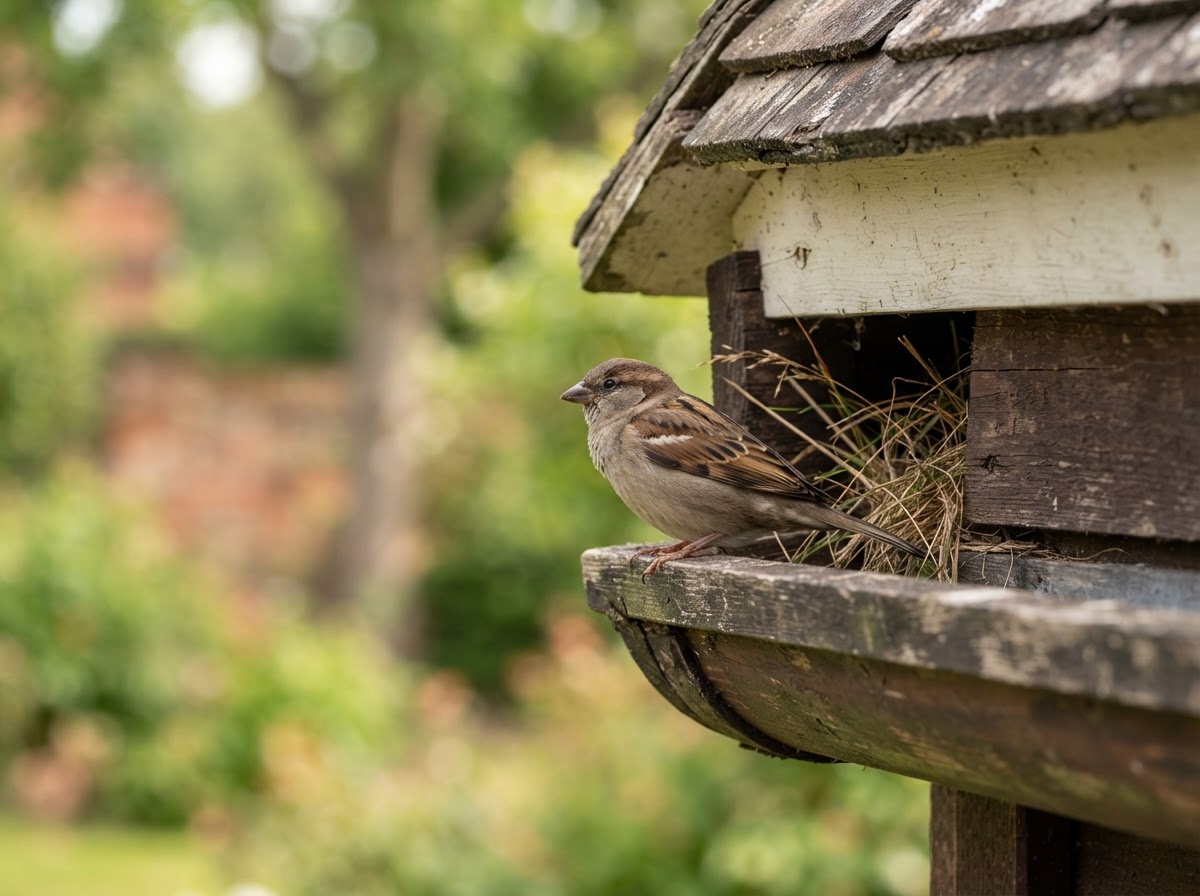
Other birds
Birds may nest or perch on buildings and compounds; species, nesting stage and location inform respectful advice and lawful options.
See more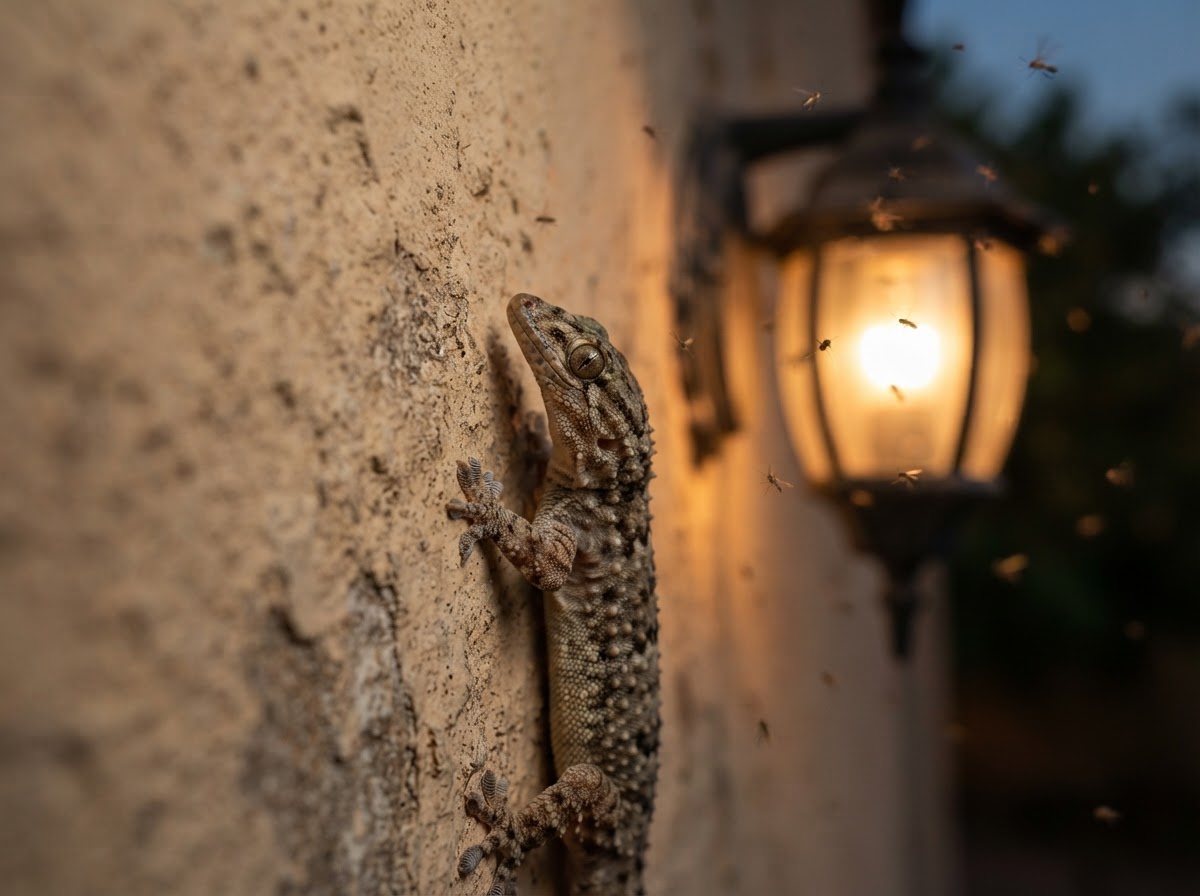
Geckos
Geckos often hunt insects near lights and may shelter on walls or ceilings; droppings and entry gaps can concern occupants.
See more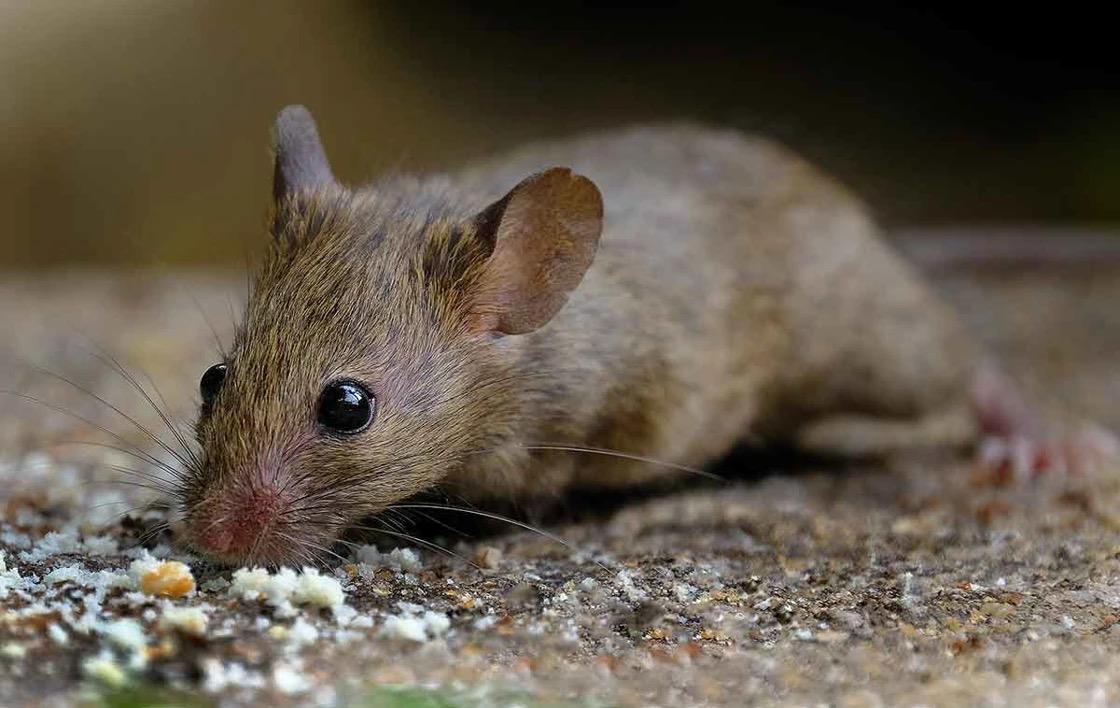
Mice and rats
Mice and rats enter buildings for food, water and shelter; droppings, gnawing or movement sounds can indicate activity needing assessment.
See more