
Termites
Termites feed on cellulose and can work unseen in timber or behind surfaces, so suspected activity in Accra buildings merits inspection.
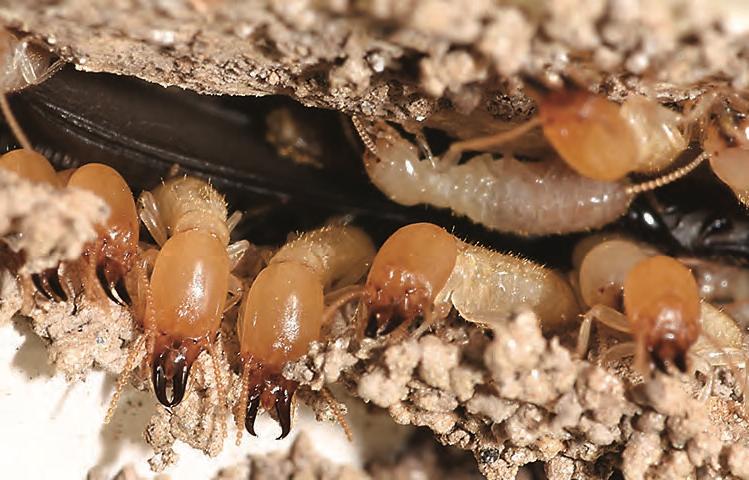
Termites are social insects that feed on materials containing cellulose, including wood and other plant matter. Some live in the soil and reach buildings through concealed routes, while others may be associated with timber within a structure. In Ghana, homes, compounds and unfinished buildings can contain conditions that make timber or soil contact worth checking. Much of a termite colony may remain hidden, and the insects can work inside wood or behind surfaces without being immediately visible. Correct identification matters because other insects and ordinary building moisture can sometimes be mistaken for termite activity.
When termites affect a building, damage may develop quietly and can involve structural timber, fittings or stored wood. A careful inspection helps establish whether termites are present, where activity is concentrated and what parts of the property may be vulnerable. Crepps considers the building's construction stage and the site conditions before outlining suitable prevention, monitoring and treatment options. Measures may differ for a new build and an occupied property, so advice should be based on the actual structure rather than assumptions. Early attention to moisture, timber storage and access points can help reduce conditions that support termite entry.
Signs
Mud tubes on walls or foundations, hollow-sounding or crumbling timber, discarded wings near doors and windows, blistered or sagging paint.
Why it matters
They quietly eat wood and other plant material, weakening floors, roofs, doors and furniture, often before anything is visible.
The IPM approach
We identify the activity and entry points, fix moisture and wood-to-soil contact, treat the soil and affected timber in a targeted way, then monitor. See Termite Protection
Prevention
Fix leaks, keep timber and soil apart, clear stored wood and debris from walls, and treat new buildings before construction.
Worried about termites?
Book an inspection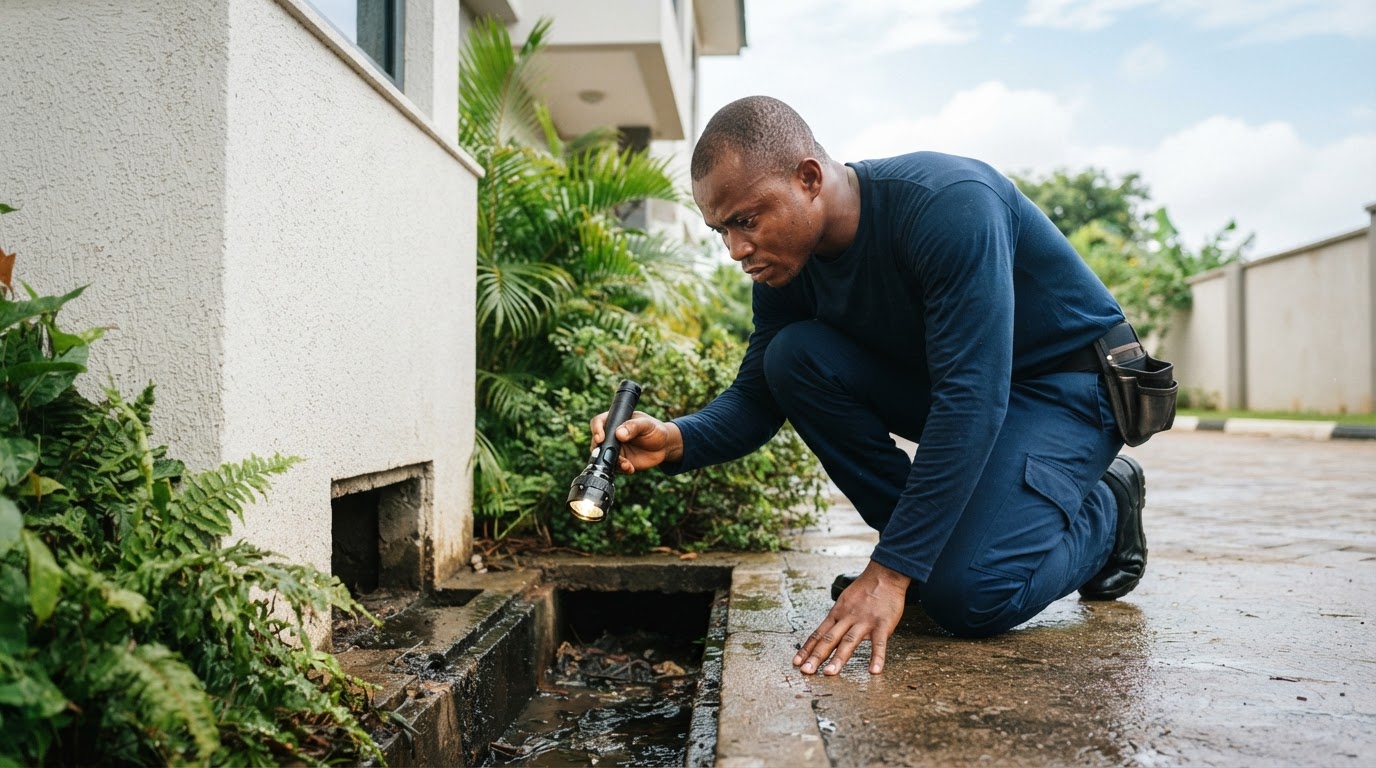
Related pests
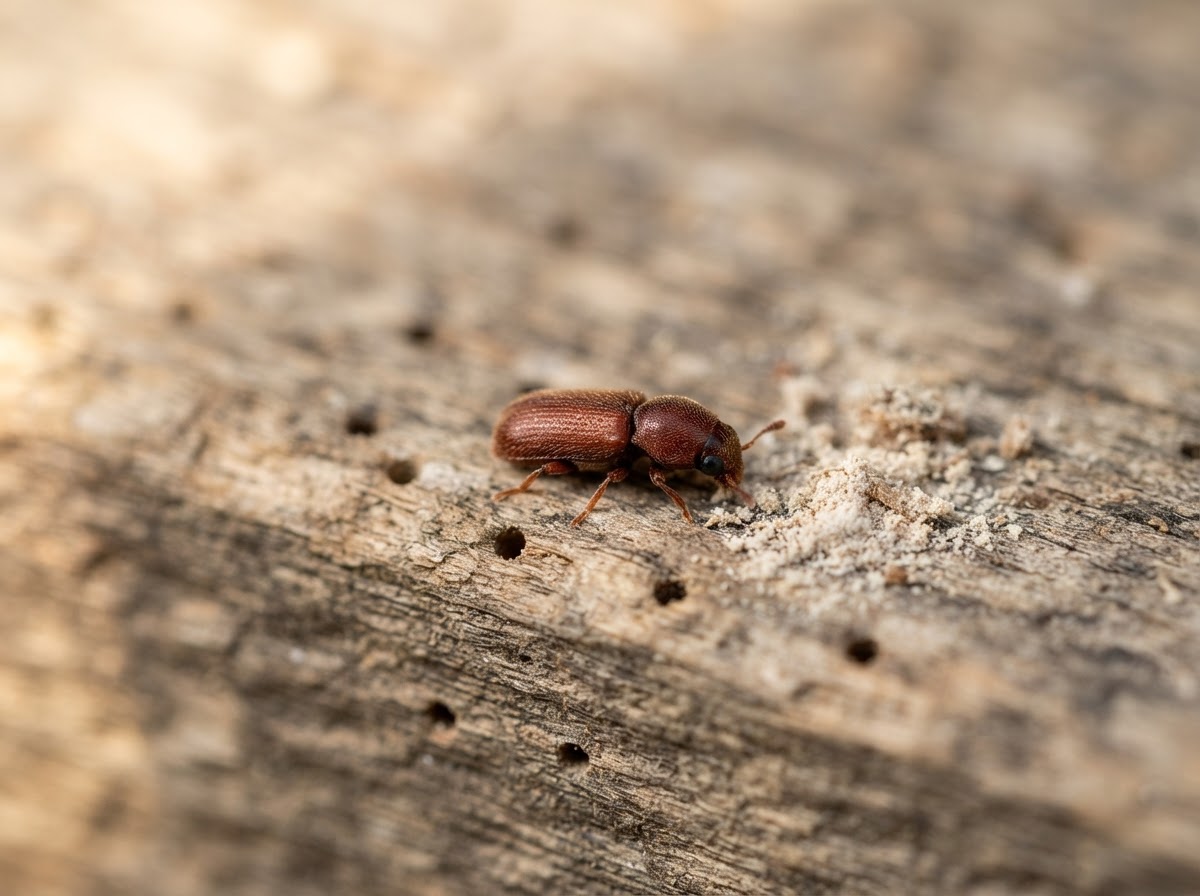
Powderpost beetles
Powderpost beetle larvae can develop inside seasoned wood; small exit holes and fine powder may prompt a closer check of timber.
See more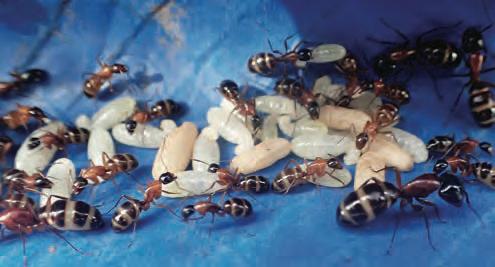
Ants
Ants form colonies and follow trails to food or water; indoors in Accra, they can become a nuisance around kitchens and stored provisions.
See more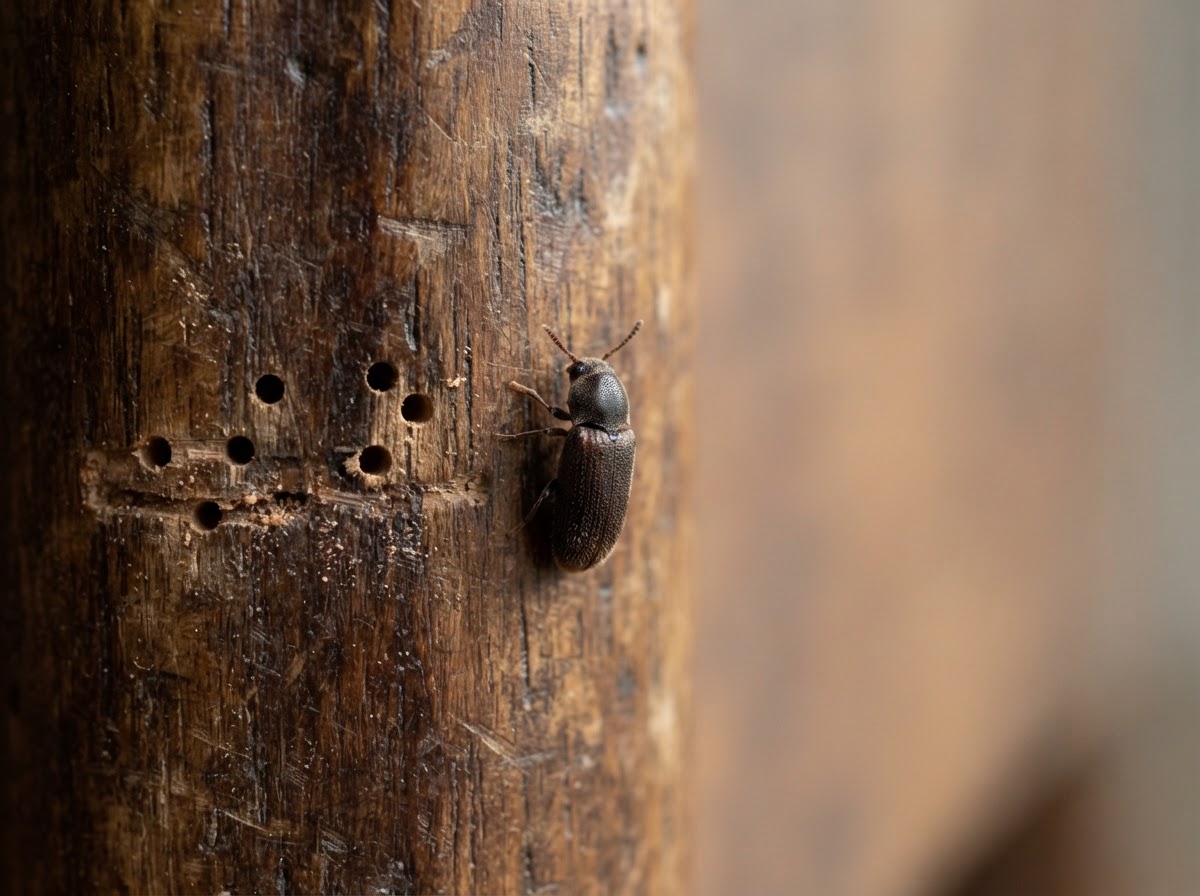
Furniture beetles
Furniture beetle larvae may damage susceptible timber while developing; exit holes or powder on furniture can be signs to investigate.
See more