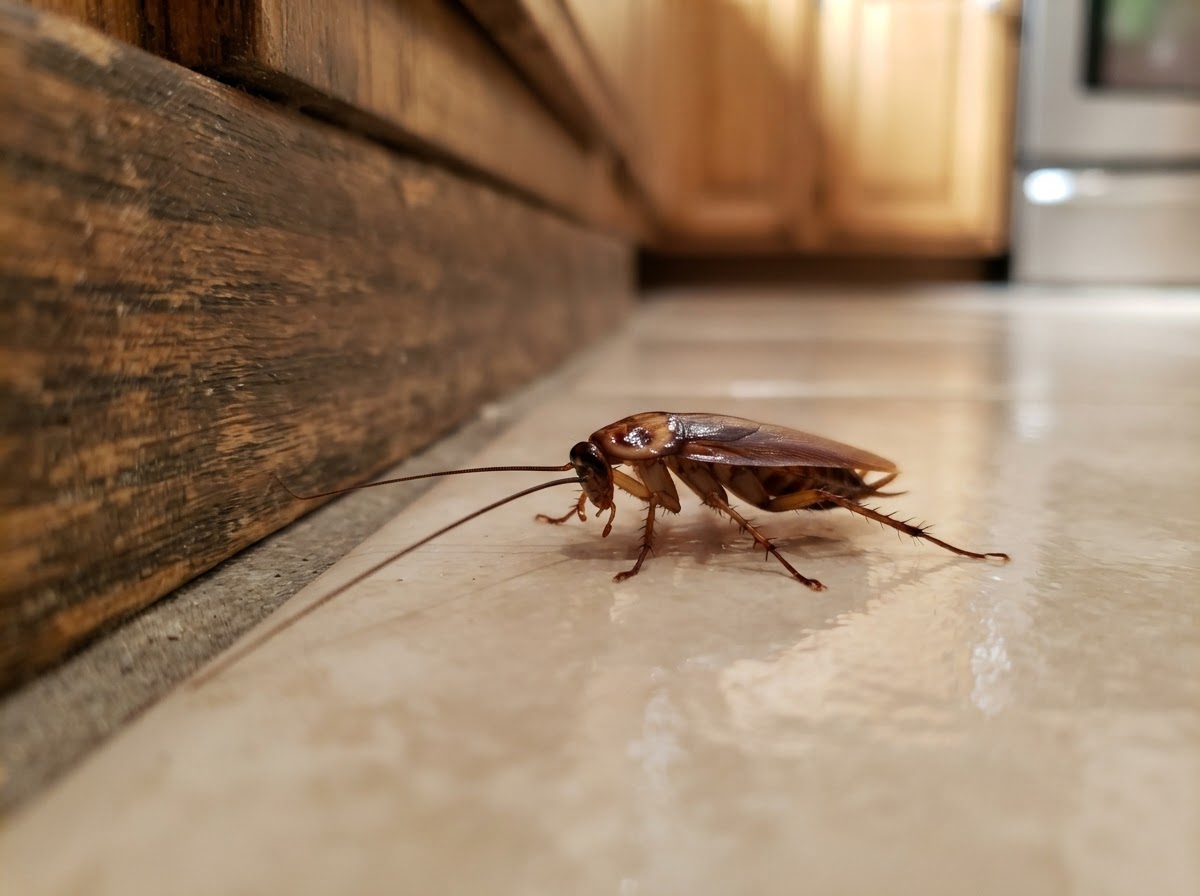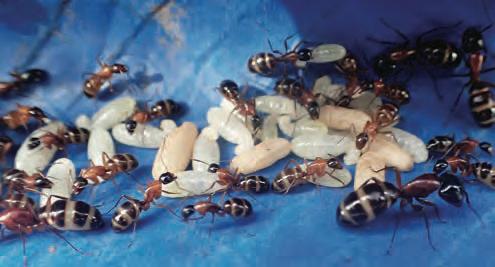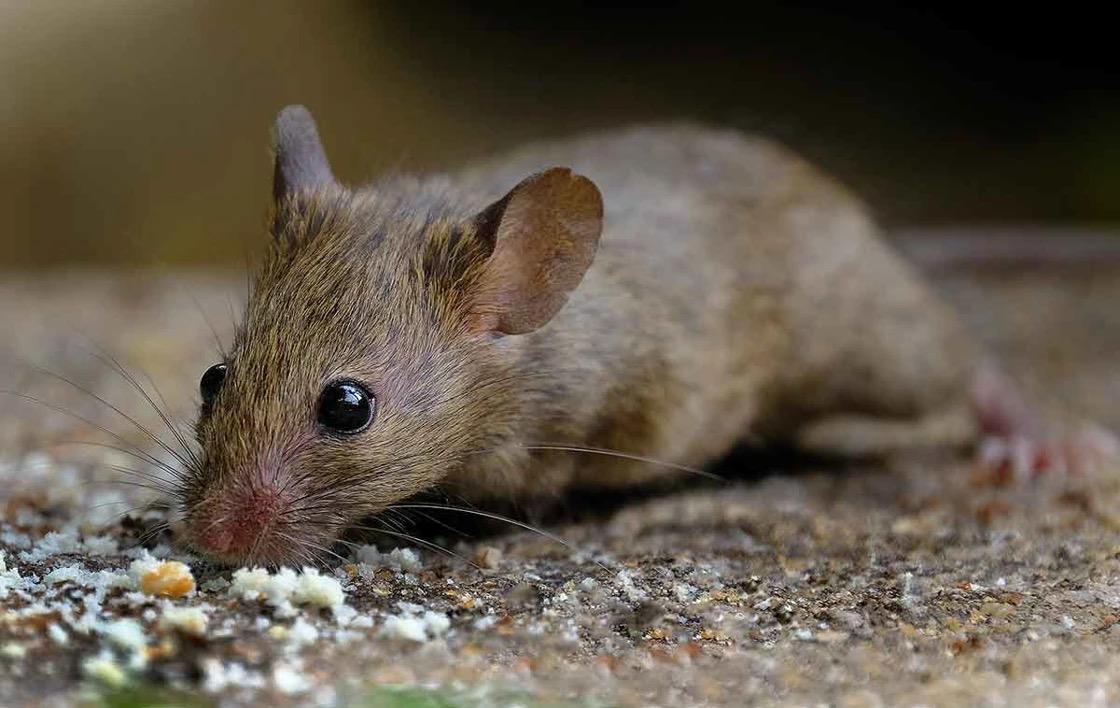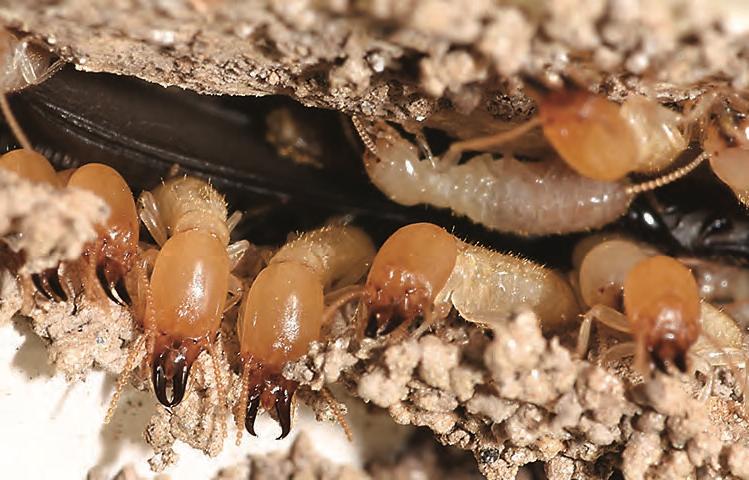
IPM pest control is a planned way to manage pests by identifying them, understanding what is attracting them, preventing access and using targeted treatment only when monitoring shows it is needed. It is often a more considered alternative to routine spraying because it addresses the conditions behind pest activity, not just the pests visible at that moment.
Key points
- IPM means inspection, identification, prevention, monitoring, targeted control and review.
- A sighting does not automatically mean broad pesticide treatment is necessary.
- Proofing and sanitation can help remove food, water, shelter and entry points.
- When a treatment is needed, the method should suit the pest and the place.
- A follow-up review helps assess whether the plan is working.
What does IPM pest control mean?
Integrated pest management, usually shortened to IPM, is a way of making pest-control decisions from evidence rather than habit. It brings several methods together in a sequence. The aim is to understand the pest and the setting, decide whether action is needed, and choose measures that are effective while limiting unnecessary exposure and disruption.
A single insect may have entered by chance, while repeated activity or evidence of nesting can indicate a larger issue. Monitoring and identification help distinguish between those situations and guide the next step. The US Environmental Protection Agency describes IPM as a series of evaluations, decisions and controls. It says action thresholds, monitoring and identification help determine whether control is warranted.
The practical questions are what pest is present, where it is active, how it is getting in and what is helping it survive. See our IPM approach for Crepps' process.
Why is IPM different from regular spraying?
Regular spraying treats a space or a surface as the first response. IPM treats inspection as the first response. Before recommending a control, a technician looks for signs of activity, identifies the pest where possible and considers the conditions around it. That can reveal an entry gap, spilled food, standing water, a damp area, clutter or another attractant that a spray alone would not change.
This distinction matters because killing visible pests does not necessarily remove the reason they are present. The University of California Statewide IPM Program explains that IPM looks at environmental factors that let pests thrive, rather than focusing only on eliminating the pests seen now. It also gives caulking cracks as an example of preventing pests from entering buildings.
IPM does not mean that pesticides are never used. The same programme says pesticides are used after monitoring indicates they are needed, with treatments aimed at the target organism. The EPA says that less risky controls are selected first, and describes broadcast spraying of non-specific pesticides as a last resort. That is not a claim that every spray is wrong. It means treatment should be justified by what inspection and monitoring show, and should fit the situation.
The phrase eco-friendly pest control Accra can suggest a blanket promise. A more useful question is whether a provider explains the pest, the planned method and any precautions. A thoughtful IPM plan aims to minimise unnecessary intervention; it cannot remove every risk or guarantee that pests will never return.
How does an IPM plan work?
Crepps describes six stages: inspection and identification, action thresholds, prevention, monitoring, targeted control, and evaluation with reporting. Each stage supports a decision based on what is found.
1. Inspect and identify the pest
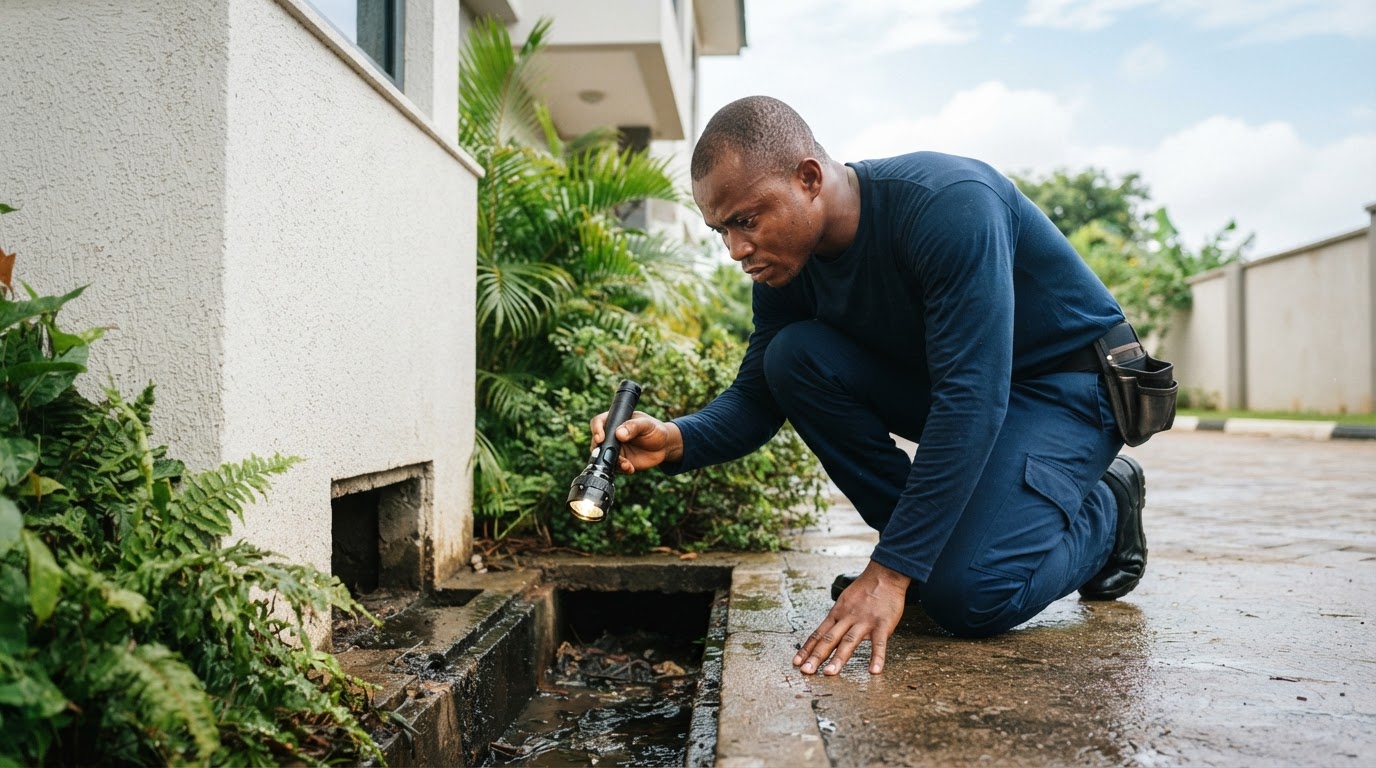
The first step is to look for evidence and work out which pest is involved. Droppings, damaged packaging, gnaw marks, trails, nests or insect activity can point in different directions. The inspection also considers where signs are concentrated and what may be attracting the pest. Accurate identification matters because different pests have different habits and control options.
2. Set an action threshold
An action threshold is a point at which the observed activity or conditions make control appropriate. It helps avoid treating automatically when the evidence does not call for it. Thresholds depend on the site and its purpose. A food-handling area, a family kitchen and an outdoor store room may have different priorities, so the plan should reflect how the space is used.
3. Prevent access and remove attractants
Prevention may include sealing a suitable gap, improving storage, addressing leaks, cleaning food residues, changing waste handling or reducing shelter. These measures target the conditions that support pest activity. They are useful for pest control vs spraying because they can reduce the opportunity for pests to enter or remain, rather than relying only on a chemical response.
At home, keep food and rubbish managed, deal with water leaks and note openings around pipes, doors or service entries. On business premises, agreed housekeeping tasks and repair actions can be recorded as part of the programme. Where rodents are a concern, start with practical proofing and inspection advice, rather than applying a product without identifying the route of entry.
4. Monitor activity
Monitoring means checking the site over time, using observations, traps or monitoring stations where suitable. It gives a baseline and helps show whether activity is increasing, decreasing or moving. A service team can use the findings to review the plan. It also helps a property owner understand whether a change in storage, repairs or cleaning has affected pest pressure.
5. Choose a targeted control
If action is needed, the control should match the pest and the location. Depending on the case, the plan may begin with non-chemical measures such as exclusion, trapping or habitat change, followed by a targeted product when justified. The EPA describes this preference for effective, less risky controls before more extensive measures. Any treatment needs to follow its product directions and the site-specific precautions explained by the service provider.
6. Evaluate and adjust
A responsible plan checks what happened after action was taken. Did the signs stop, lessen or move? Are the original conditions still present? The review can lead to another inspection, a change in prevention measures or a different targeted control. Documentation makes the reasoning visible and gives households or organisations a record of findings and actions.
Is IPM suitable for homes and businesses in Ghana?
The principles can be used in many kinds of places. The EPA says IPM can apply to non-agricultural settings such as homes and workplaces. Crepps describes residential and commercial pest-control work using an inspection-led approach. For households, this means discussing the observed pest, the location and any preparation or precautions before work begins. For a business, a documented programme can organise monitoring, service observations and corrective actions.
Integrated pest management Ghana searches often reflect a need for local service information, but the fundamentals remain practical: identify the pest, investigate the conditions, prevent where possible and treat according to evidence. This article does not interpret Ghanaian laws or claim that one method is suitable for every Ghanaian property. Site conditions, pest type and the client's requirements all matter.
For a home, see residential pest services or browse pests we treat. For a workplace, see commercial pest management. The best pest control Accra plan is one that starts with the actual signs at the property and explains the proposed steps clearly.
Is IPM a safe pest control option for homes?
No pest-control method should be described as risk-free. IPM is designed to make decisions carefully and minimise unnecessary use of controls. The UC IPM guidance says materials should be selected and applied in a way that minimises risks to people, beneficial organisms and the environment. A homeowner should ask what was found, what method is proposed, what precautions apply and when a treated area may be used again.
Crepps says it explains service steps and precautions to residential customers. Follow the instructions given for the specific service and report any new signs during follow-up.
Conclusion: why choose IPM over routine spraying?
IPM pest control is better understood as a decision process than as a particular treatment. It starts with inspection and identification, uses prevention and monitoring to understand the problem, and reserves targeted control for situations where the evidence supports it. That makes it a more considered answer to pest control vs spraying, especially when the underlying entry points or attractants also need attention.
If you are comparing options for a home or organisation, ask how the inspection, prevention, monitoring and review will work. To discuss the pest signs at your property, use Get a free quote.