Aircraft disinsection is the treatment of an aircraft's interior to control insects that may be carried on board. Whether a flight needs it, and which method is accepted, depends on the destination's current requirements, so operators should confirm the rules for each destination before departure.
Key points
- Disinsection may be required by a destination country for certain arriving flights.
- Methods include residual treatment of interior surfaces while passengers are not on board and aerosol spraying in specified circumstances.
- Requirements and accepted methods differ, so check current destination guidance before departure.
- Crepps says it checks destination requirements and provides an aircraft disinsection certificate and treatment record.
- Disinsection is distinct from general aircraft fumigation, and the correct term depends on the treatment being discussed.
What is aircraft disinsection?
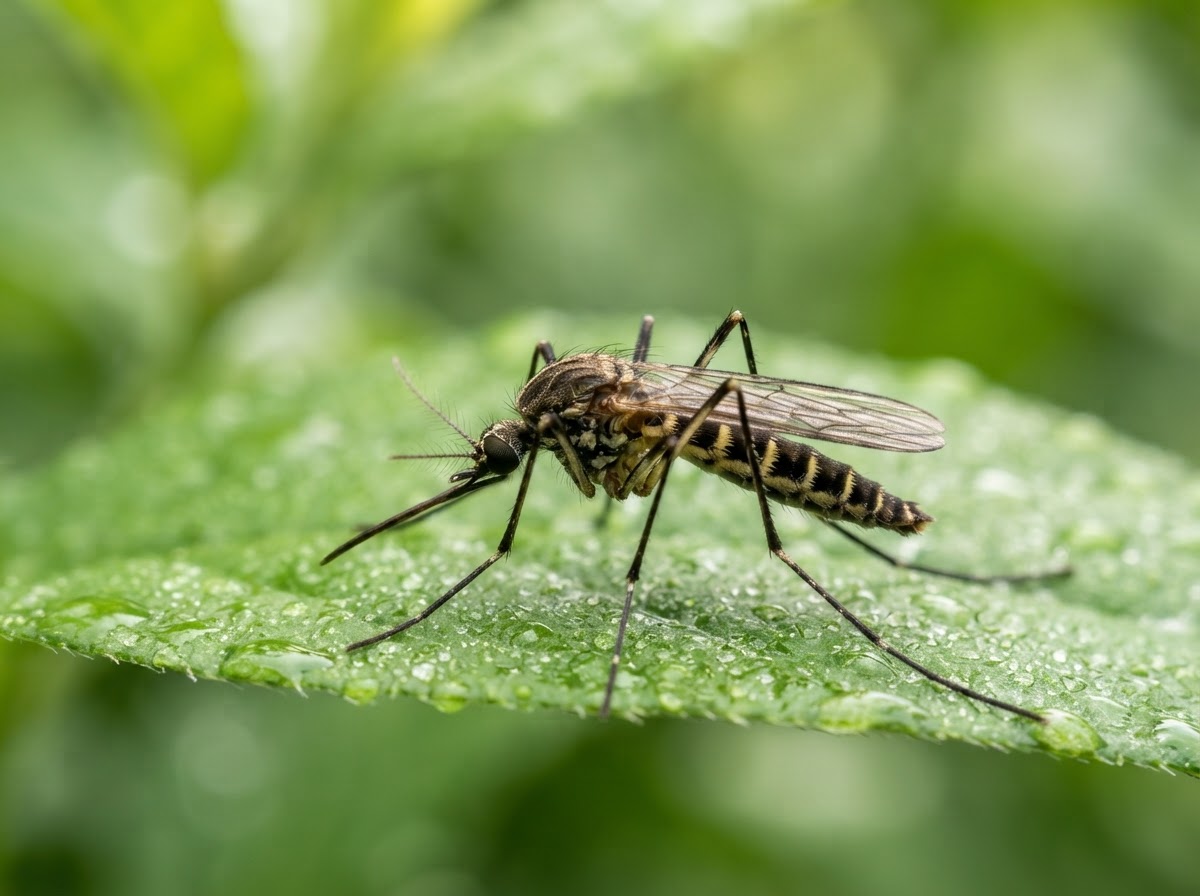
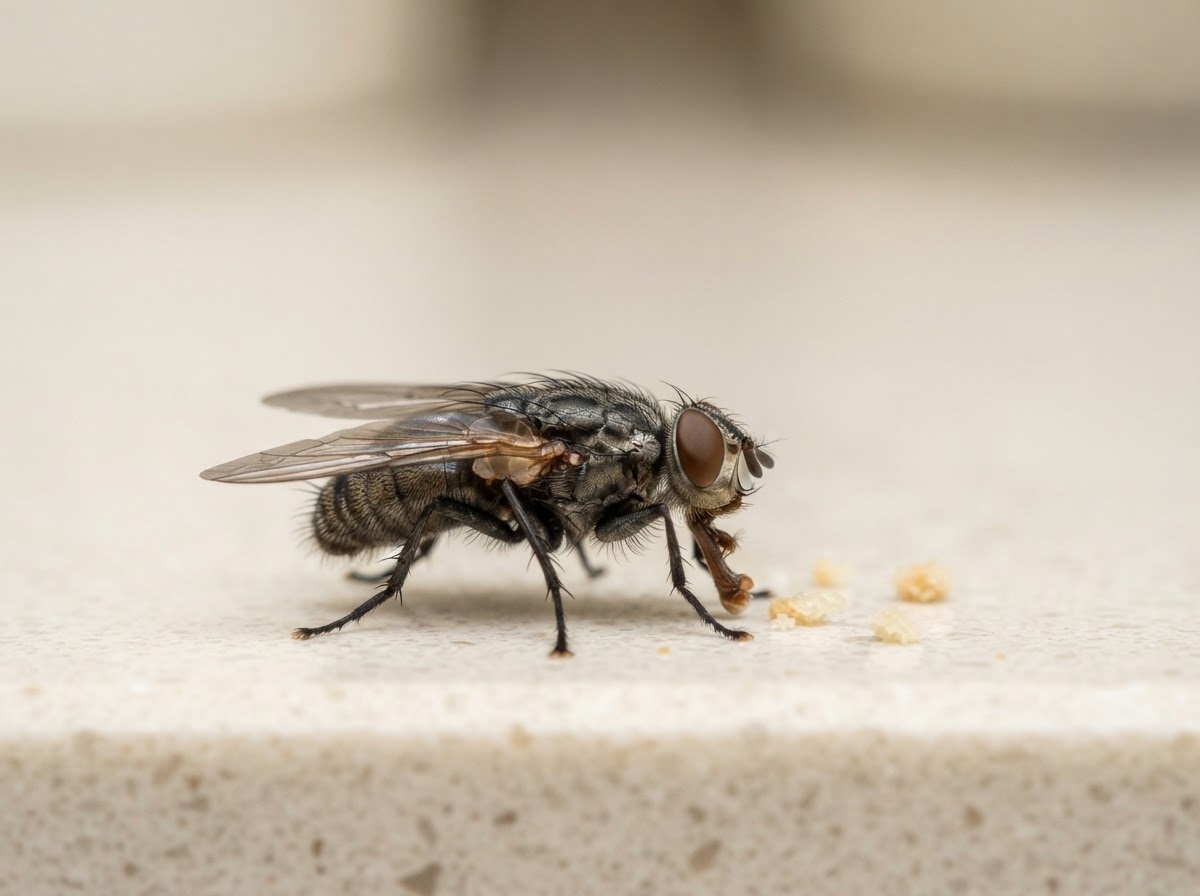
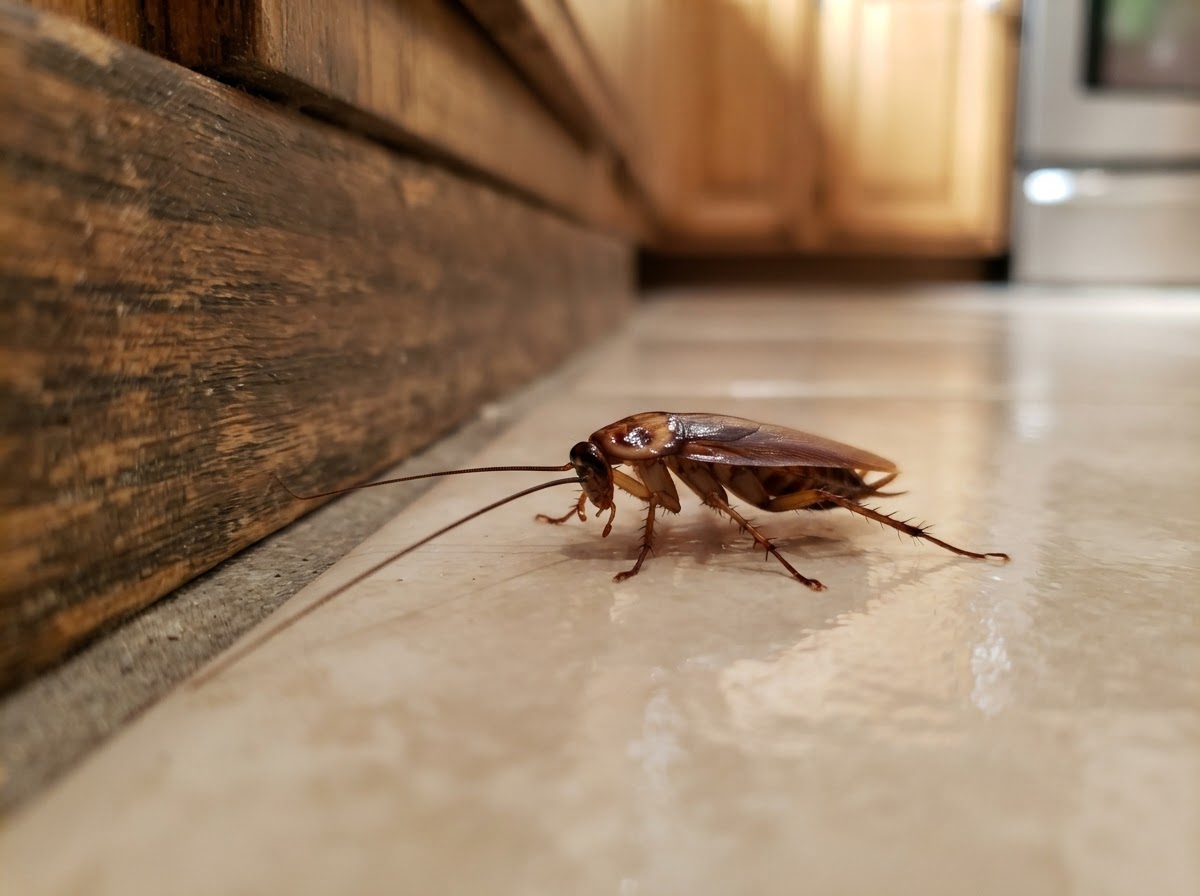
Aircraft disinsection is a measure used to control insects on aircraft. The World Health Organization's second edition guidance describes procedures for treating internal areas of passenger, military and cargo aircraft to help prevent international transport of mosquito vectors. The US Department of Transportation describes disinsection as permitted under international law to protect public health, agriculture and the environment.
The term does not mean that every aircraft is fumigated, or that every flight follows one standard procedure. Treatment may apply to the cabin or other internal areas, and the approach depends on the requirements that apply to a route and the method accepted by the destination. Operators should use the exact description used in the destination's guidance and treatment documents.
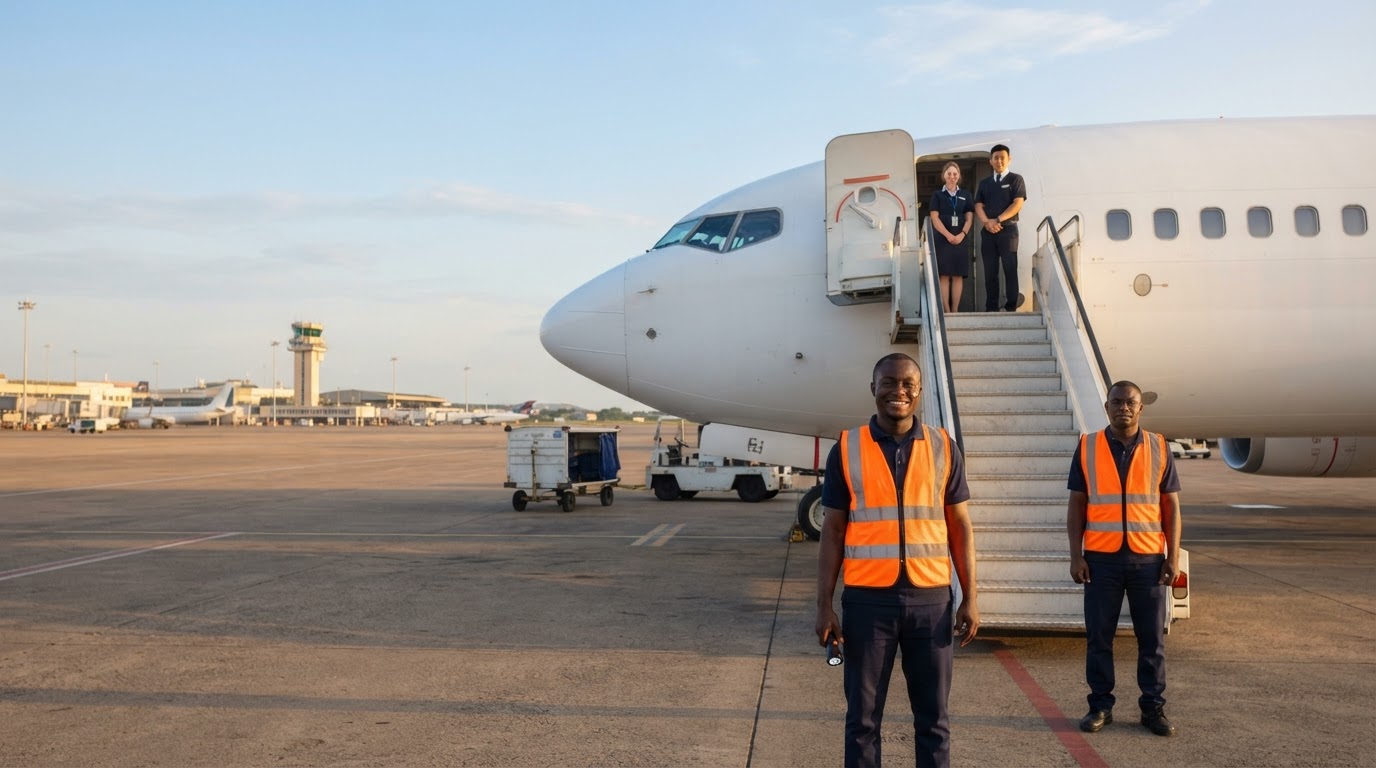
For information about aircraft disinsection services, Crepps states that it serves operators at Accra International Airport. The service page describes treatment of interior areas, cargo holds and relevant equipment, along with destination-requirement advice and documentation.
Which flights need aircraft disinsection?
There is no single answer for every route. Some countries may require arriving aircraft from certain regions to be treated, and a country may set a requirement when it perceives a risk to public health, agriculture or the environment. The US Environmental Protection Agency explains that requirements can be imposed by a country under the Chicago Convention in response to a perceived threat.
Australia provides an example of a destination with its own aircraft disinsection requirements, methods and certificate information. It is an example only, not a rule for all destinations. The point for an airline, charter operator or cargo carrier is to check what the destination requires for the specific aircraft, origin, route and arrival conditions.
Requirements can change. Before each departure, operators should confirm current official guidance for every destination on the itinerary, including connecting or onward destinations where relevant. Do not rely only on a previous route's paperwork, a general internet summary or an assumption that the same treatment is accepted everywhere. The operator's compliance team should use the current destination-country instructions and contact the relevant authority when a point is unclear.
Destination requirements may specify whether treatment is required, the approved method, when treatment must take place, who may carry it out and what documentation is expected. These details are not interchangeable. If your operation serves different routes, keep a route-specific check process and make sure the crew and ground team have the applicable instructions before the aircraft is prepared.
What are the main aircraft disinsection methods?
Public guidance describes different approaches. The US Department of Transportation summarises the World Health Organization and International Civil Aviation Organization approaches as aerosol spraying with passengers on board, or residual treatment of aircraft interior surfaces while passengers are not on board. It also notes that some countries allow either residual treatment or aerosol application while passengers are not on board.
The WHO publication describes pre-embarkation and pre-departure cabin treatment, with updated examples and certification requirements. A pre-embarkation treatment takes place before passengers board. Residual disinsection generally means treatment of interior surfaces intended to leave a residual effect, and the timing and handling must follow the specified method and product instructions.
Do not assume that two names for a method mean the same procedure. A destination may distinguish between methods or set conditions for how and when they are performed. Verify the accepted procedure and keep records of the treatment actually completed.
Crepps describes pre-embarkation residual treatment of interior surfaces, and targeted treatment of cargo holds and relevant equipment. Its published website content also describes checking accepted destination methods. The selected method should therefore be based on the route's current requirements, not on convenience alone.
What is a disinsection certificate, and why keep records?
A certificate is a record associated with an aircraft disinsection treatment. The precise form, information and acceptance criteria depend on the destination’s instructions. The WHO guidance includes certification requirements for certain procedures. Australia’s page gives an example of a destination that specifies methods and certificates for aircraft operators.
Crepps states that it issues a completed disinsection certificate and treatment record for every aircraft it treats, for presentation to relevant authorities. Operators should confirm what documents their destination requires, check that details match the aircraft and treatment, and retain the records in the format their organisation uses. A certificate should not be treated as proof of compliance with a route unless the treatment and documentation match that destination’s current rules.
For internal planning, record the route and destination, the requirement checked, the method agreed, the treatment timing, and the documents received. This is a practical recordkeeping suggestion, not a claim about a universal regulatory checklist. Keep your process aligned with current destination authority directions.
What should operators check before departure?
A useful pre-flight check starts with the destination rather than the product. Confirm the current requirement for the planned arrival, verify the accepted method, check the permitted timing and identify the required certificate or treatment record. Then make sure the aircraft, staff and schedule are prepared for the chosen procedure.
Questions for an operator to ask include:
- Does the destination require aircraft disinsection for this route or origin?
- Which method is accepted for this aircraft and arrival?
- When must treatment take place, and what conditions apply before boarding or departure?
- What certificate, treatment record or other evidence must be carried or presented?
- Who should confirm the information if current guidance is unclear?
Operational handling should follow the product instructions and destination procedures. This article does not replace those instructions or an operator’s safety process.
If planning from Accra, Crepps describes a requirements check based on aircraft type, routes and schedule, followed by treatment at Accra International Airport and issue of a certificate and records. Its commercial information is available at commercial pest management, and general prevention principles are described in our IPM approach.
Is aircraft disinsection the same as aircraft fumigation?
Not necessarily. Aircraft disinsection is a specific term for controlling insects on aircraft, often under destination-country requirements. Fumigation usually refers to a different pest-control process involving a fumigant in a controlled space. Avoid using aircraft fumigation Accra as though it always describes the same method as disinsection. Ask the service provider to clarify the treatment type, target area and documents provided.
The distinction matters when teams search for a local service or build a compliance checklist. The search phrase aircraft fumigation Accra may bring up a service provider, but the operating requirement should be matched to the precise destination procedure, not the search label.
Conclusion: confirm requirements for every destination
Aircraft disinsection requirements depend on the destination and can change. Confirm the current rule, accepted method, timing and documentation for each destination before departure. A disinsection certificate is useful only when it reflects the treatment required for that specific route.
For service at Accra International Airport, Crepps says it can check destination requirements and provide a treatment certificate and record. To discuss an aircraft or route, use Get a free quote.