Signs of rats in the house include droppings, gnaw marks, damaged food packaging, nests, greasy rub marks, scratching sounds and sightings. If you notice one or more, avoid handling droppings with bare hands, secure food, record where signs appear and arrange a professional inspection.
Key points
- Look for several clues together, rather than relying on one sign alone.
- Droppings and gnaw marks are common indicators of rodent activity.
- Do not touch droppings with bare hands or use DIY poisons or baits.
- Keep food sealed, note locations and close obvious gaps where practical.
- A professional inspection can identify likely entry points and next steps.
7 signs of rats in the house or mice indoors
A rodent may be active when people are asleep or away, so the first clue is not always seeing the animal. The US Centers for Disease Control and Prevention identifies droppings and gnaw marks as signs of a rodent’s presence. Other clues can include noises, nests, rub marks and damage to stored food. A combination of signs, especially in the same area, is useful information to share with an inspector.
1. Rat droppings or small dark pellets
Droppings are often found along walls, inside cupboards, near food storage or around places where rodents shelter. Their size and shape can vary, so do not rely on appearance alone to decide whether they are from a rat or mouse. Note the location and whether you have noticed fresh signs nearby. Do not pick droppings up with bare hands.
2. Gnaw marks on packaging, wood or other materials
Rats and mice gnaw, so look for damaged food packets, chewed edges, marks on stored materials or openings that appear to have been enlarged. Gnaw marks on food packaging may also mean the contents have been exposed. Keep affected items separate from food that is still sealed, and tell the inspector where you found the damage.
3. Food or storage packages with holes or bites
A packet with small holes, torn corners or signs of nibbling may indicate that a rodent has reached stored food. Check shelves, cupboards, storerooms and containers that are not tightly closed. In a household, put food into sealed containers and avoid leaving pet food or other food accessible overnight. Do not taste food from a damaged package.
4. Nests made from shredded material
Rodents may gather shredded paper, fabric or other soft material in a hidden place. A nest-like bundle behind stored items, in a quiet cupboard or near a wall opening can be a clue, particularly when droppings or gnaw marks are also present. Avoid disturbing a suspected nest. Note its position and keep children and pets away from the area until it has been assessed.
5. Greasy rub marks along walls or routes
Repeated movement along a wall or narrow passage can leave dark smudges where an animal’s body contacts the surface. Rub marks are more likely to matter when they occur beside droppings or gnawing. Write down where you noticed them and whether the marks appear to follow a route between a gap and a food or shelter area. Do not assume every stain is rodent-related.
6. Scratching, scurrying or squeaking sounds
Sounds in ceilings, walls, cupboards or behind appliances may be caused by rodents, especially if they recur at night. But a sound alone cannot identify its source. Record the room, approximate time and direction from which it seems to come. A note about when sounds happen can help a professional inspection focus on likely routes and harbourage areas.
7. A live or dead rat or mouse
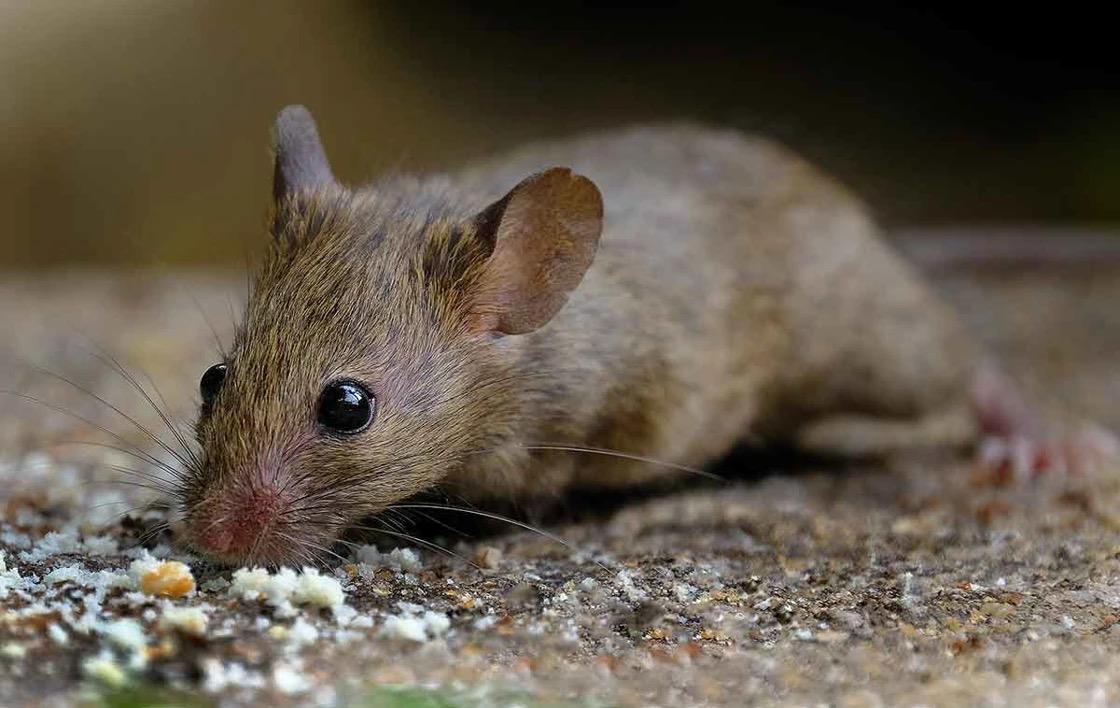
Seeing a rodent is a clear reason to check for other clues nearby. One sighting does not tell you how many animals may be present or where they are entering. Keep distance, do not try to handle it, and note where and when it was seen. If you find an animal or droppings, ask a professional how to manage the specific situation safely.
What should you do first if you find rodent signs?
A calm, careful first response can reduce contact with contaminated material and help an inspector understand what is happening. CDC guidance notes that rodents can carry diseases that may spread directly or indirectly to people. The source does not mean every sighting makes someone ill; it is a reason to avoid unnecessary contact and use careful hygiene.
Start with these practical steps:
- Do not handle droppings or nesting material with bare hands. Keep children and pets away from the area.
- Put food in sealed containers and set aside any food packaging that has been damaged.
- Note where and when you saw droppings, gnaw marks, sounds or an animal. If useful, take a photograph without touching the material.
- Seal obvious gaps if you can do so safely and without disturbing suspected nests or contaminated material.
- Arrange a professional inspection to assess activity and likely entry points.
CDC cleaning guidance says not to sweep or vacuum rodent droppings before cleaning, because this can put contaminated material into the air. Follow current public-health cleaning guidance or ask a professional for advice on safe clean-up. The CDC's rodent guidance explains safe cleaning and recommends sealing holes; the practical next step for a household is to avoid direct contact and get instructions suited to the site.
Avoid DIY poisons or baits. The purpose here is to identify the activity and entry route, not to add an unassessed control. A professional can inspect the area, help distinguish a rodent issue from other causes, and discuss appropriate options for the property.
How can you help prevent rats and mice entering?
Prevention focuses on access, food and shelter. Keep food in sealed containers, close waste bins properly and reduce clutter around likely travel routes. Check for openings around pipes, doors, vents and service entries. Seal gaps where appropriate, taking care not to block ventilation or damage services. Store materials in a way that leaves space to inspect behind and beneath them.
The CDC recommends checking for and sealing holes. Crepps’ published pest information describes locating entry points, sealing them, and using traps and monitoring as part of a rodent IPM approach. These are parts of an inspection-led programme, not a do-it-yourself treatment prescription. If a gap may be a route to live wiring, plumbing or another service, seek suitable repair help rather than attempting an unsafe fix.
For homeowners seeking mice in the house Ghana guidance, the exact conditions differ by building and neighbourhood. The same useful observations apply: where are signs found, is food accessible, and are there openings or clutter nearby? Avoid assuming a single preventive measure will resolve activity without checking whether signs continue.
When should you book a professional rodent inspection?
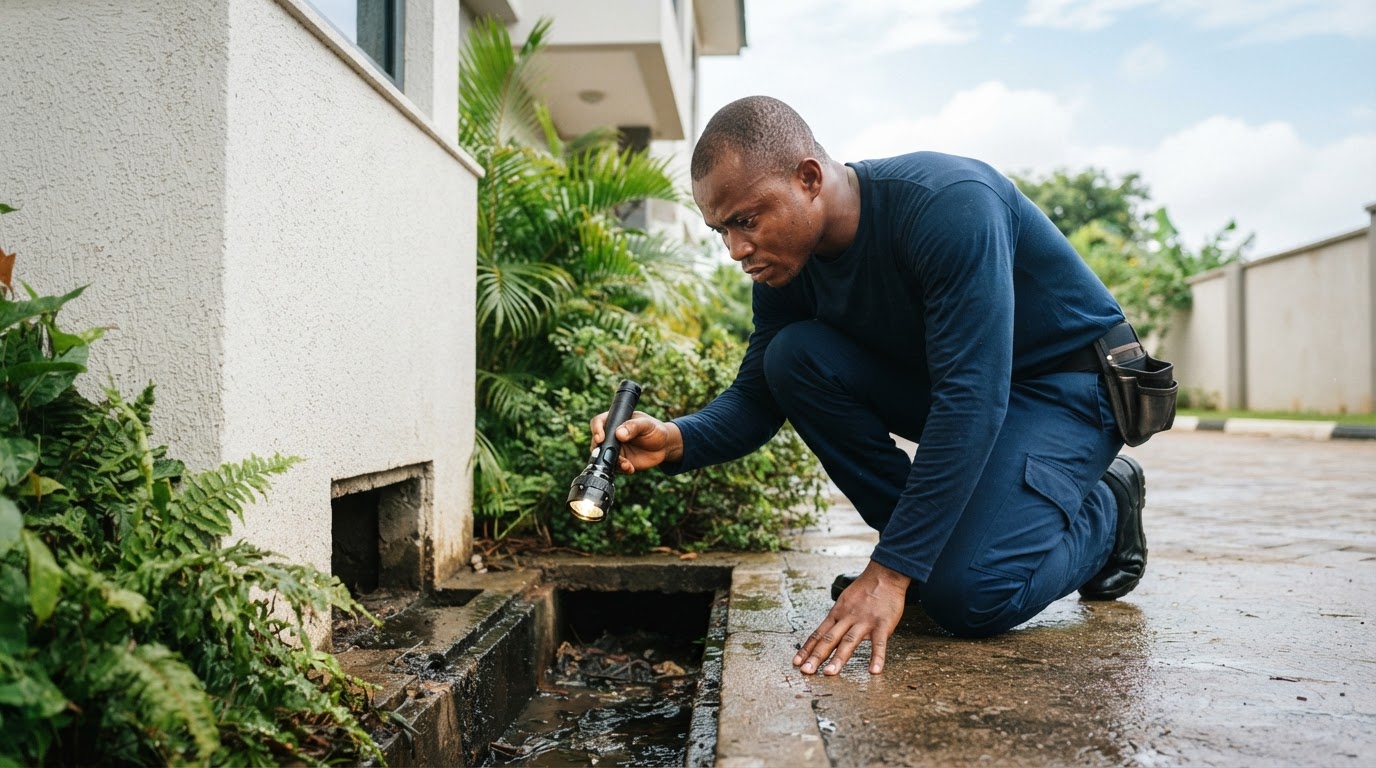
Arrange an inspection if signs recur, appear in several places, involve food storage or food preparation areas, or include activity in a ceiling or wall void. It can also help when you cannot identify the animal or likely access point. Share your notes and any photographs, and describe steps already taken. This information can make the visit more focused.
Crepps describes its residential service as inspect, plan, prevent and treat, followed by follow-up advice. Its website content says its rodent approach includes finding how rodents get in, sealing entry points, and using traps and monitoring. Rodenticides are described there as used only where needed and in tamper-resistant stations. This article does not advise householders to place poison or bait themselves.
A professional plan should explain what was found, the recommended proofing or storage changes, the treatment option if any, and how activity will be checked. You can read more about residential pest services and the wider pests we treat. The IPM approach explains why inspection and prevention are considered alongside any treatment.
Conclusion: what to do about signs of rats in the house
Droppings, gnaw marks, damaged food packaging, shredded nests, rub marks, night-time sounds and a sighting can all point to rodent activity. None of these clues alone gives a complete picture, so note the evidence, protect food, avoid handling waste with bare hands and arrange an inspection if signs persist or concern you.
For rodent control Accra, start by sharing where the signs are and what you have observed. To discuss an inspection for your home, use Get a free quote.