
Furniture beetles
Furniture beetle larvae may damage susceptible timber while developing; exit holes or powder on furniture can be signs to investigate.
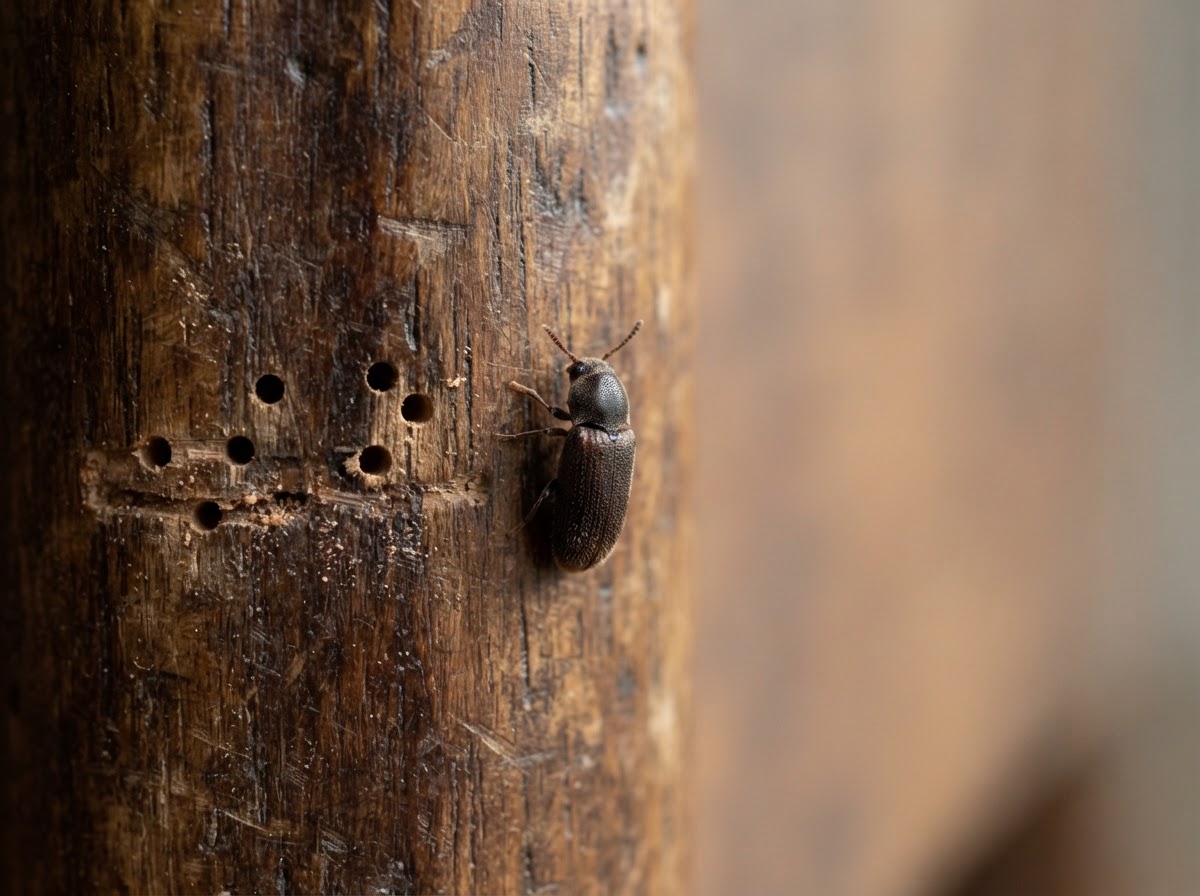
Furniture beetles are small wood-boring beetles, sometimes described as woodworm beetles. Their larvae develop inside wood and may affect furniture, floorboards, joists or other timber. When adult beetles emerge, they can leave small, round holes in the surface, with fine wood dust or gritty debris nearby. Since several wood-boring insects can leave similar signs, holes or dust alone cannot confirm the species. An inspection can help distinguish ongoing activity from old damage or another cause.
Larval feeding can weaken or damage an affected wooden item or part of a building, particularly if activity is extensive or overlooked. In a home or compound in Accra, signs may appear on furniture or building timber, but the exact insect and extent need checking. Crepps' proposed IPM approach is to inspect and identify the signs, look for activity and conditions that support it, recommend prevention, and monitor. Treatment would be targeted to the confirmed problem and used only where needed.
Signs
Look for small, round exit holes in furniture or timber, with fine dust or gritty debris nearby. New powder appearing after cleaning may point to continued activity. Check floorboards, furniture and exposed wood, but have the insect identified before assuming the cause.
Why it matters
Larvae feed within wood and may damage furniture, floorboards, joists or other timber. Surface holes can remain after activity has ended, so signs need assessment before deciding what action is appropriate. Identifying active damage helps avoid unnecessary treatment and directs attention to affected wood.
The IPM approach
Crepps would inspect the item or timber, identify the likely beetle and assess whether signs appear fresh. The plan would check possible sources and relevant conditions, then recommend prevention and monitoring. Targeted treatment would be considered only for confirmed activity and where needed.
Prevention
Check furniture and timber for holes or dust before bringing them into the home or compound. Keep wood dry, ventilate storage areas where practical, and avoid leaving timber in contact with damp surfaces. Recheck affected items and note whether fresh dust appears.
Worried about furniture beetles?
Book an inspectionRelated pests
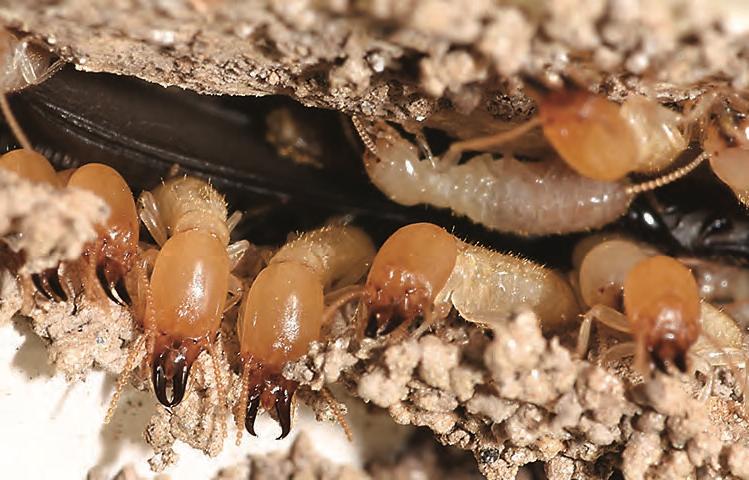
Termites
Termites feed on cellulose and can work unseen in timber or behind surfaces, so suspected activity in Accra buildings merits inspection.
See more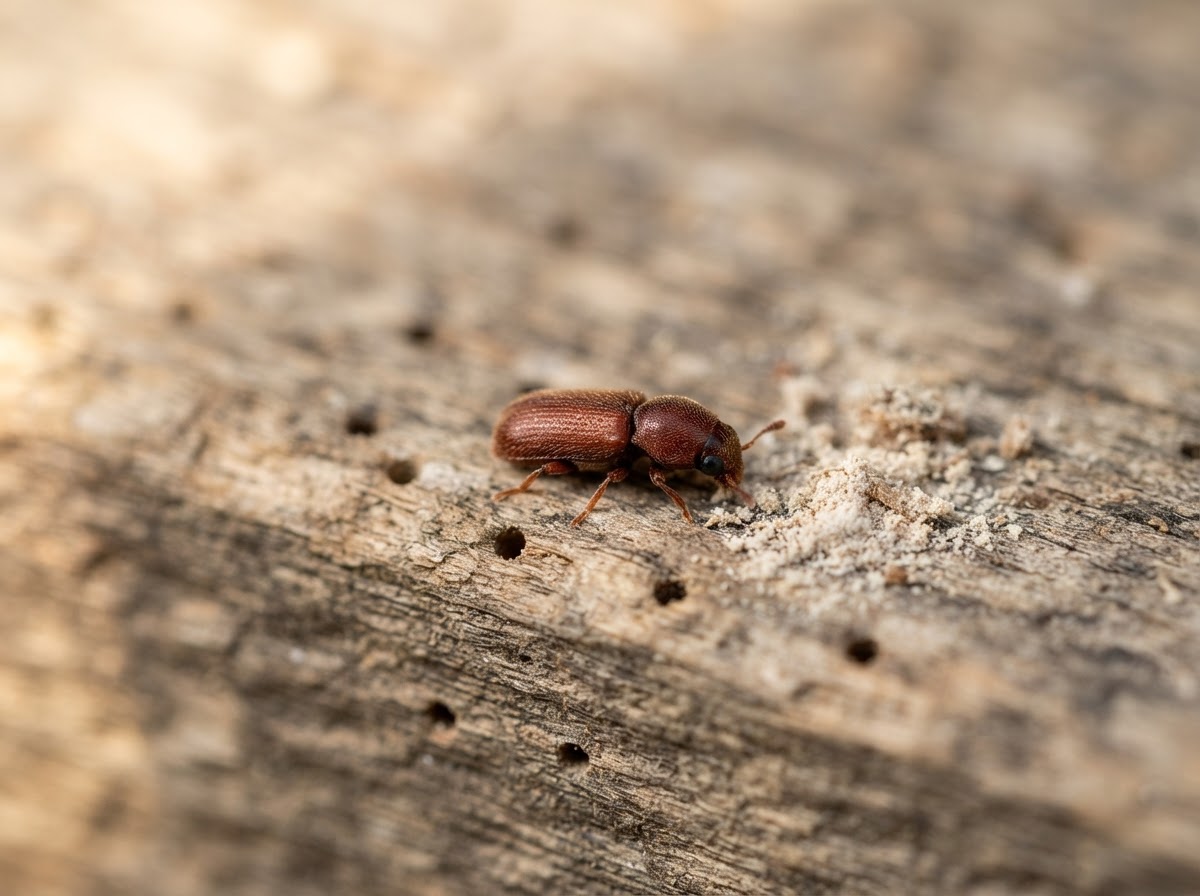
Powderpost beetles
Powderpost beetle larvae can develop inside seasoned wood; small exit holes and fine powder may prompt a closer check of timber.
See more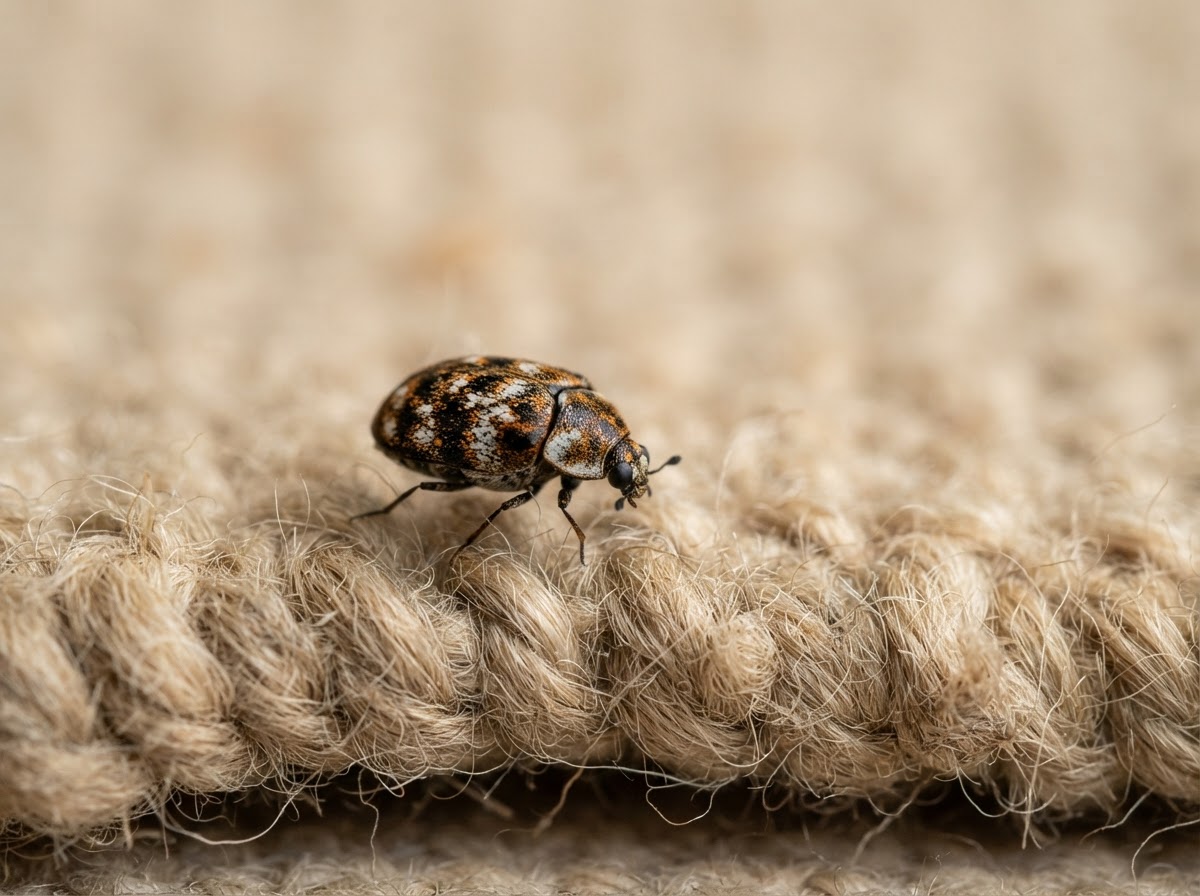
Carpet beetles
Carpet beetle larvae feed on some natural fibres and other materials; shed skins or fabric damage can be clues in homes and stores.
See more