
Clothes moths
Clothes moth larvae can damage susceptible natural fibres in stored garments and textiles; checking quiet storage areas can help locate activity.
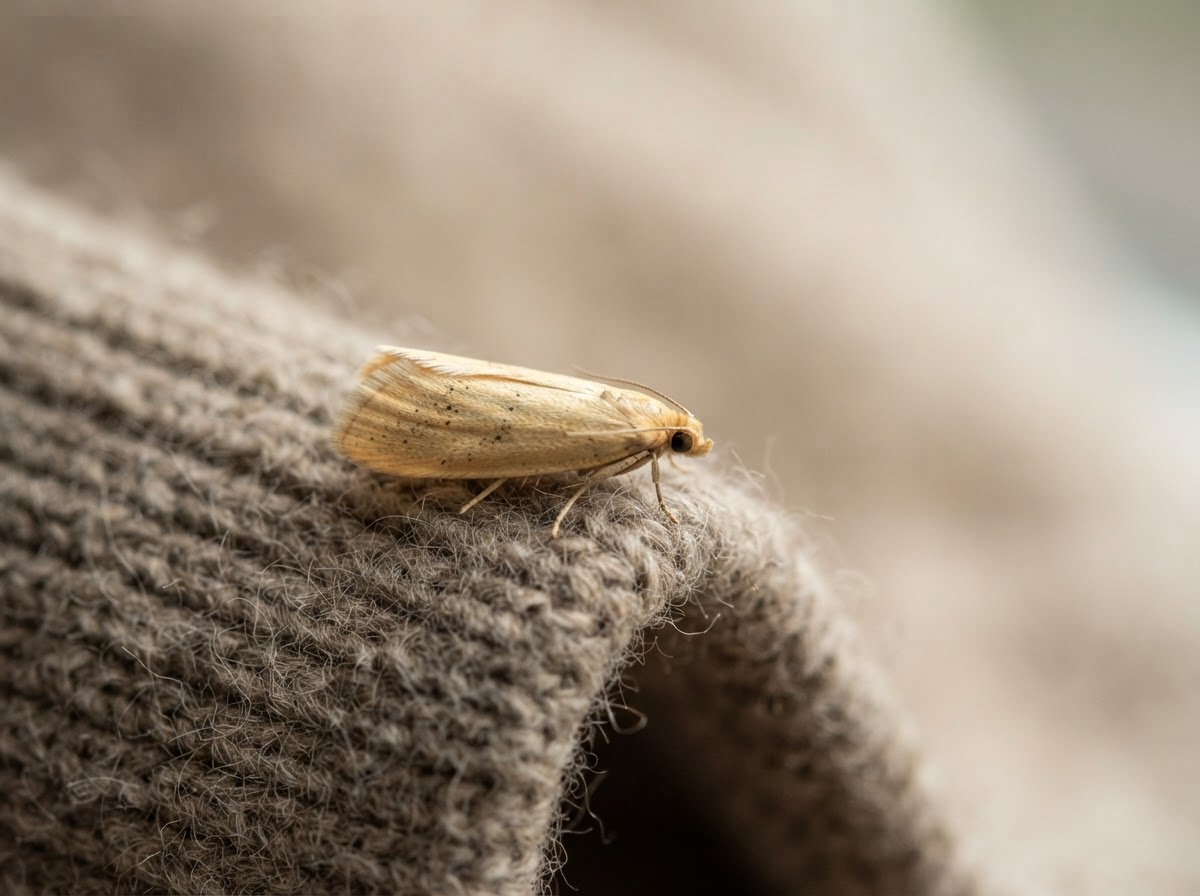
Clothes moths are small moths whose larvae, rather than adult moths, cause damage. The larvae feed on natural fibres such as wool, fur, feathers and some silk, and may be found in clothing, carpets, upholstery or other stored fabric. They tend to be less noticeable than the adult moths because they feed in quiet, undisturbed places, including wardrobes, drawers, under furniture and store rooms. Finding a moth in a room does not by itself show where the source is.
Larval feeding can leave holes or grazed patches in susceptible items, and neglected storage can allow damage to continue. Other fabric pests can cause similar signs, so locating larvae or other evidence helps with identification. Crepps' proposed IPM approach is to inspect wardrobes and storage, identify the pest and source, recommend cleaning and better storage, then monitor. Targeted treatment would be considered only where needed, rather than relying on routine spraying.
Signs
Look for holes or grazed areas in woollen clothing, carpets, upholstery or other stored natural-fibre items. Larvae, silken cases or fine webbing on fabric may also be present. Check wardrobe corners, drawers and quiet storage areas, since an adult moth alone does not locate the source.
Why it matters
Clothes moth larvae feed on natural fibres and can damage clothing, carpets, upholstery and other stored items. Damage may continue when the source remains unnoticed in a wardrobe or store room. Identifying the pest and affected materials helps focus cleaning, storage changes and any further control.
The IPM approach
Crepps would inspect affected clothing and nearby storage, identify the pest and look for larvae, cases or feeding damage. The plan would locate the source, recommend cleaning and sealed storage, then monitor for further signs. Targeted treatment would be considered only where needed.
Prevention
Store clean natural-fibre clothing and other susceptible fabrics in sealed containers, and inspect them before putting them away. Keep wardrobes and store rooms clean, removing lint and debris. Check stored garments periodically, especially items kept undisturbed for long periods.
Worried about clothes moths?
Book an inspectionRelated pests
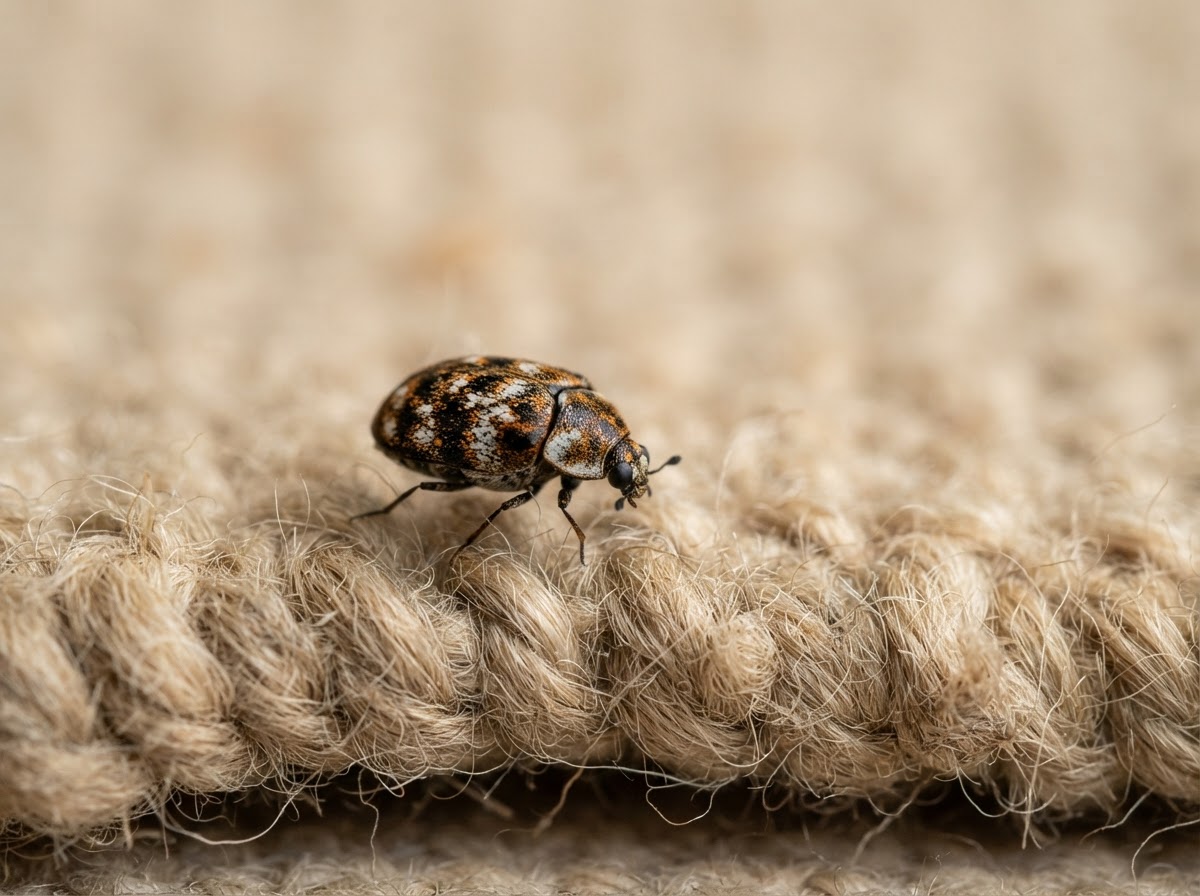
Carpet beetles
Carpet beetle larvae feed on some natural fibres and other materials; shed skins or fabric damage can be clues in homes and stores.
See more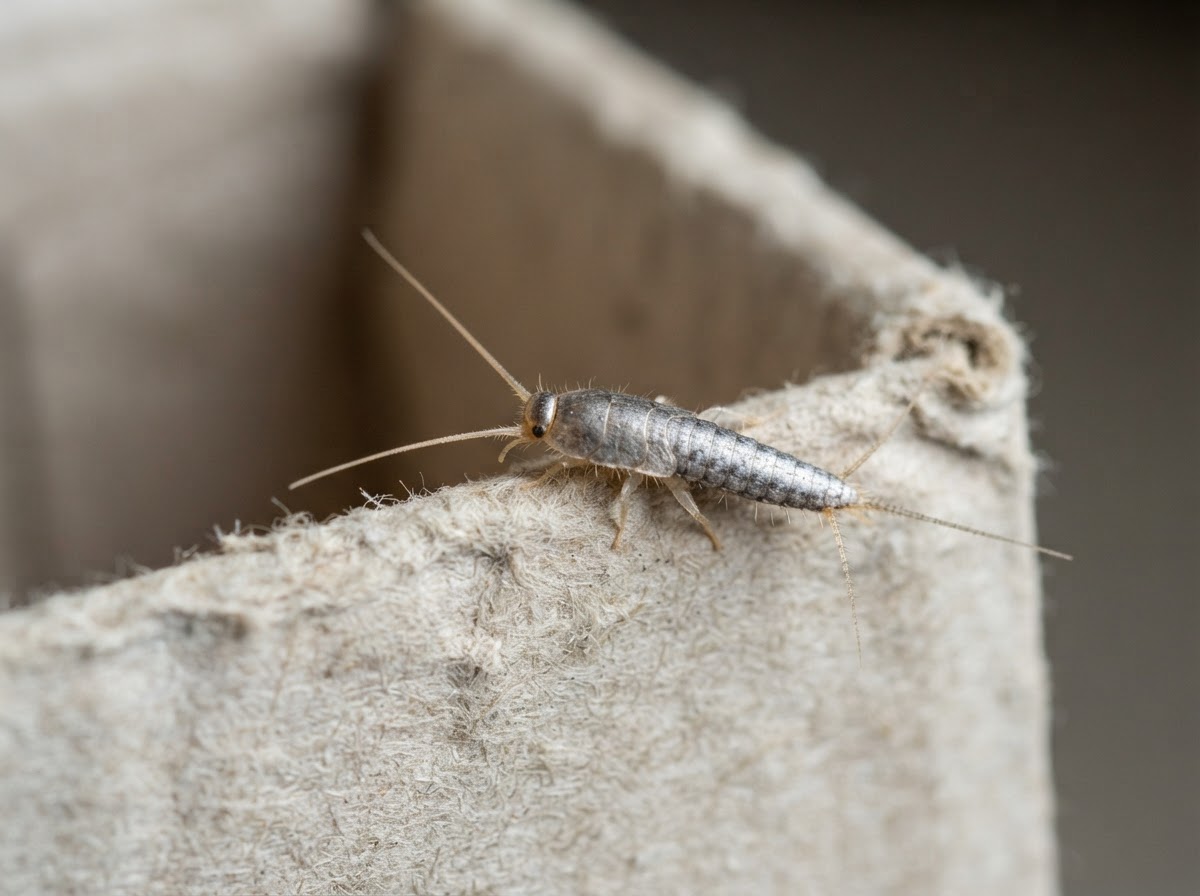
Silverfish
Silverfish are small, wingless insects that favour sheltered, often humid spaces and may feed on paper, starches or fabrics in buildings.
See more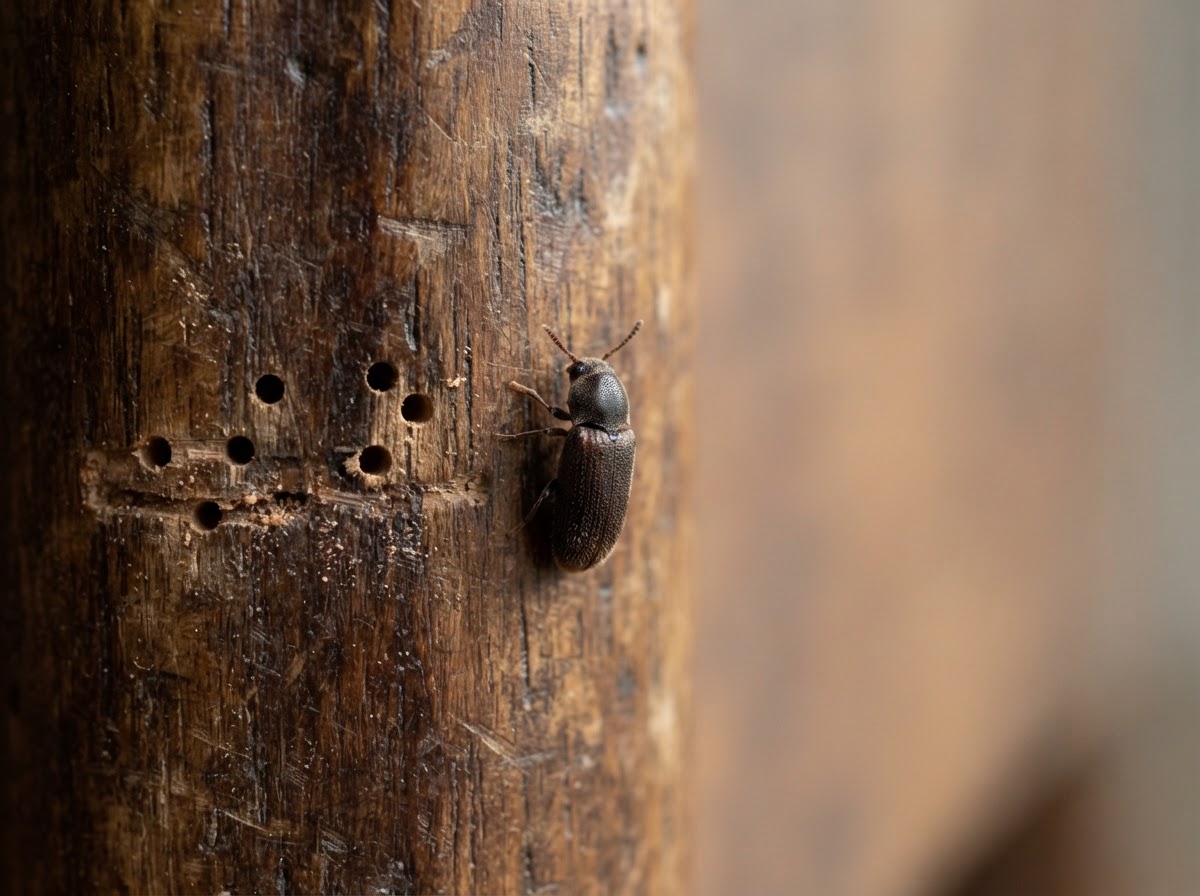
Furniture beetles
Furniture beetle larvae may damage susceptible timber while developing; exit holes or powder on furniture can be signs to investigate.
See more