
Driver ants
Driver ants, also called safari ants, move in organised columns and may pass through compounds, where their biting behaviour can concern people and pets.
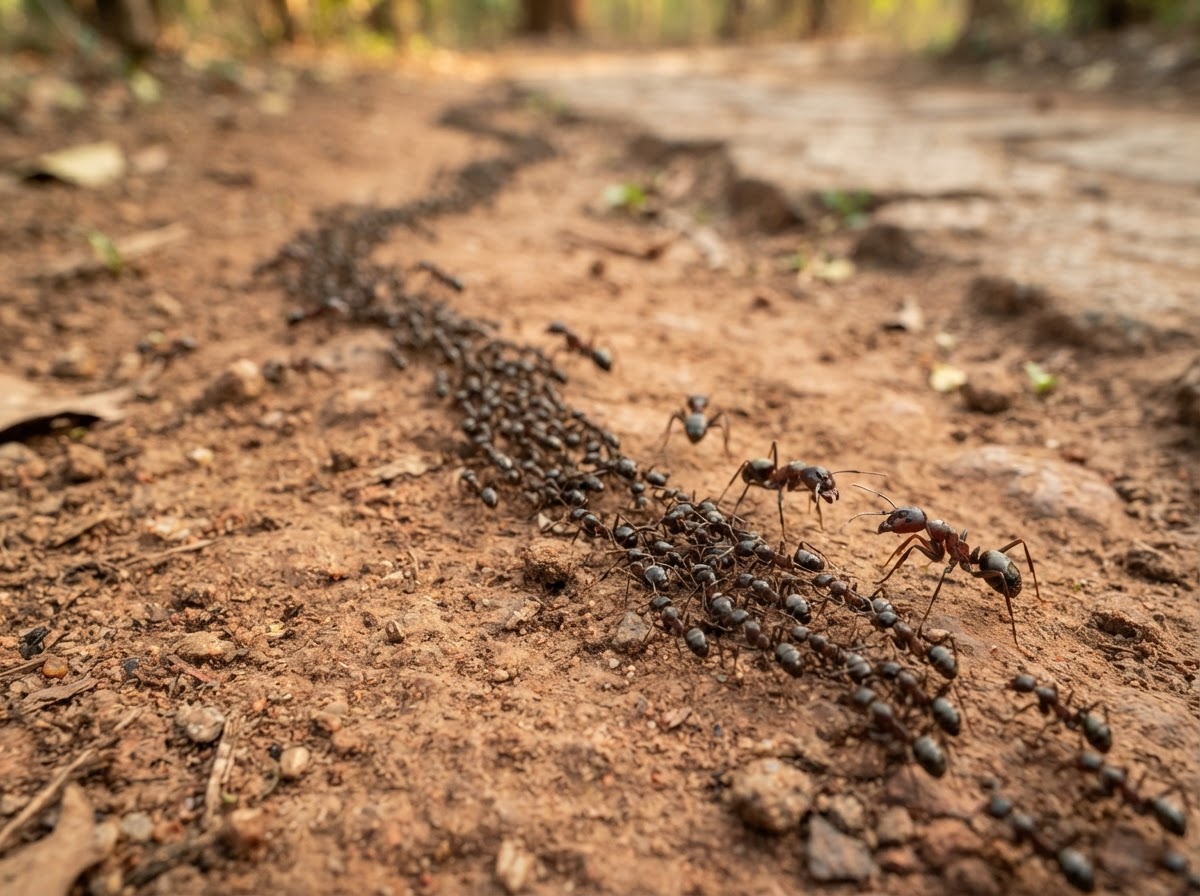
Driver ants, also known as safari ants, are social ants that may travel in conspicuous moving columns or raiding groups. Their colour and size vary by species. Around homes and compounds in Accra, a column crossing a path, entering a building or moving through a garden can be the first sign of activity. Avoid stepping into or disturbing a group, and note where it is travelling from and towards, from a safe distance.
A large moving group can disrupt daily use of a room or compound, and its route may lead to a nearby shelter or food source. Crepps can inspect the activity, identify the ants as far as possible and check likely routes and conditions around the building. The IPM plan focuses on prevention and monitoring, with targeted treatment only where needed. The right response depends on the identification and the location, rather than treating every ant sighting in the same way.
Signs
Look for a steady line or broad moving group of ants crossing a path, garden edge or floor. Activity may enter through a gap or follow a wall. From a safe distance, note the direction of travel and where the ants gather.
Why it matters
A moving group can make parts of a home or compound difficult to use and may pass through several rooms or outdoor areas. Disturbing the ants can make inspection harder. Identifying their route and nearby shelter helps determine a proportionate response.
The IPM approach
We inspect the affected area, identify the ants and trace their route, entry points and nearby shelter. We consider practical exclusion and changes to conditions, then monitor activity. If control is needed, treatment is targeted to the assessed site rather than applied routinely across the property.
Prevention
Keep food and waste covered, clear clutter beside walls and close gaps around doors or service openings where practical. Avoid disturbing a moving group or blocking its route before it is assessed. Note where activity appears and contact us if it enters an occupied area.
Worried about driver ants?
Book an inspectionRelated pests
Ants
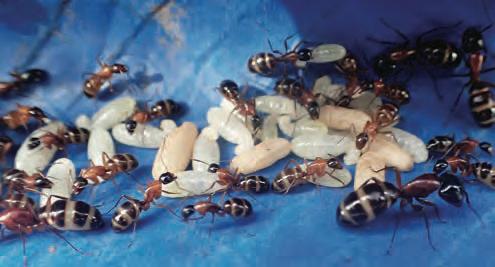
Ants form colonies and follow trails to food or water; indoors in Accra, they can become a nuisance around kitchens and stored provisions.
See more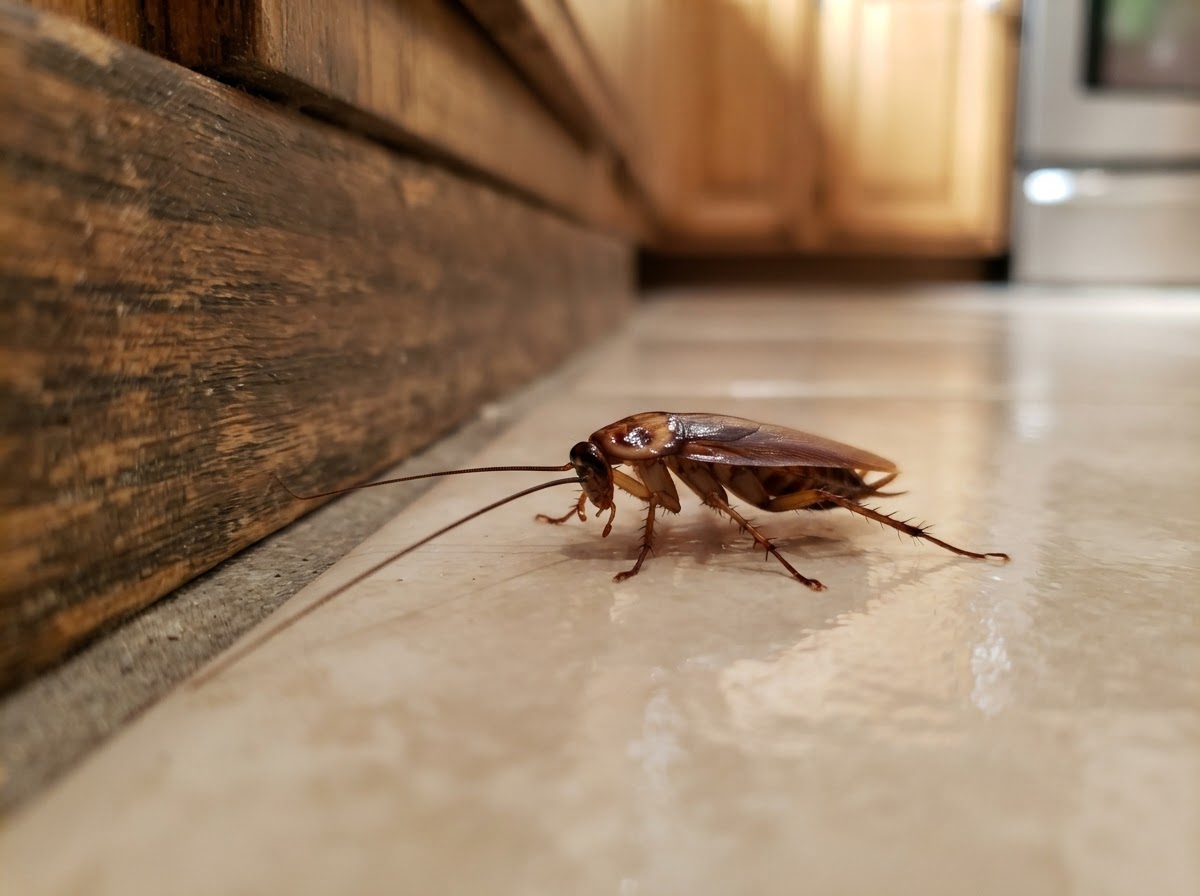
Cockroaches
Cockroaches shelter near warmth, food and moisture, often appearing in kitchens or service areas and raising hygiene concerns for Accra premises.
See more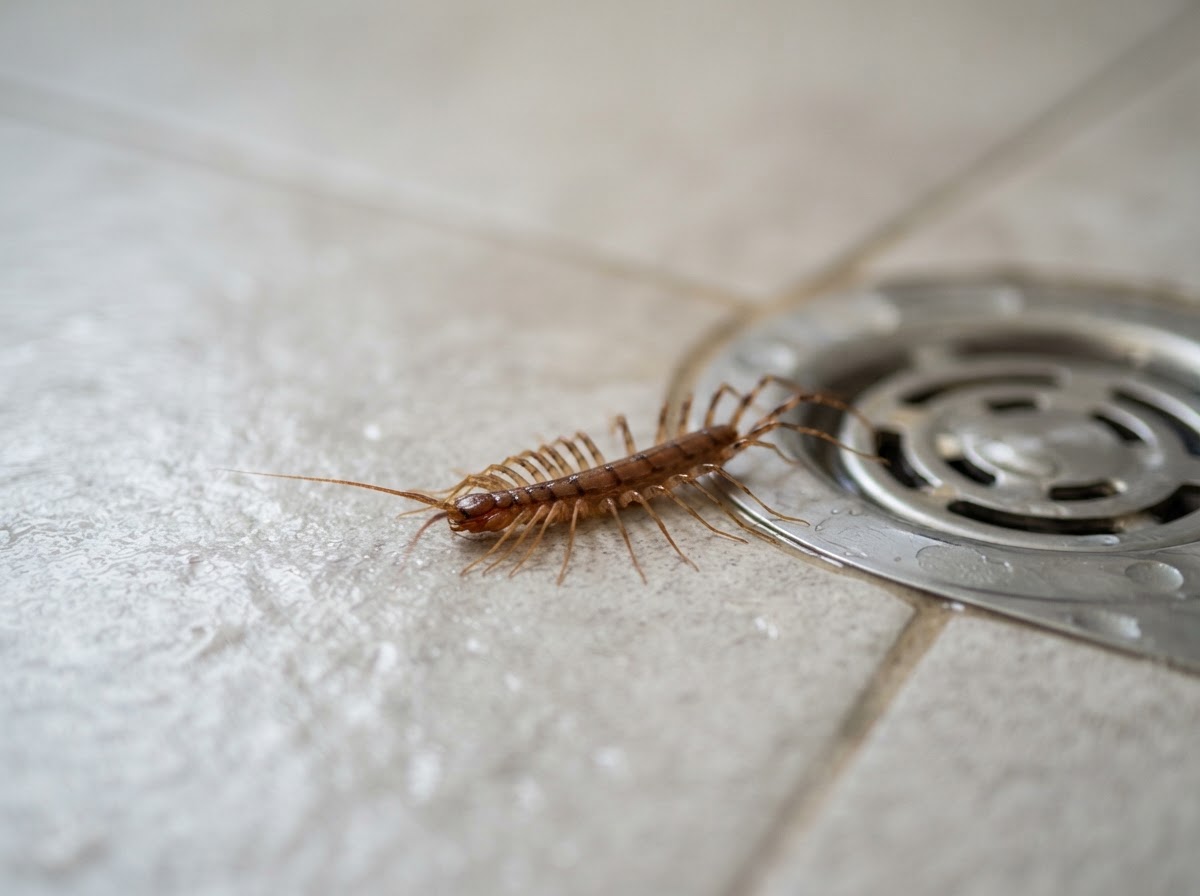
Centipedes
Centipedes are many-legged arthropods that hunt smaller creatures and favour sheltered places; some can bite if handled or disturbed.
See more