
Pantry moths
Pantry moth adults may appear near kitchens while larvae develop in dry provisions; checking food packets can help reveal the source.

Pantry moths are moths associated with stored dry foods such as flour, cereals, grains, nuts and dried goods. You may see adult moths flying around a kitchen or storeroom, but the source may be a food package rather than the place where the moth is spotted. Larvae can leave visible silk webbing in infested food, and may be found on nearby shelves or walls. Some may also be found away from food as they move around the storage area.
Infested food may not be suitable to keep, and overlooked packets can allow activity to continue. Crepps uses an IPM approach, inspecting and identifying the pest, locating the affected goods and checking the storage area. The plan focuses on removing the source, cleaning, sealed storage and monitoring, with targeted treatment only where needed. Fumigation is considered only when other methods will not control the problem.
Signs
Look for small moths around food cupboards, silk webbing in dry foods, or larvae and cocoons on packages, shelves or nearby walls. Inspect opened and unopened provisions, including flour, grains, cereals, nuts and dried goods, for signs of activity.
Why it matters
Pantry moths can infest stored food, so the flying adults may be a sign of a source hidden among dry goods. Infested provisions may need to be discarded. A careful check of kitchen and storeroom shelves helps identify affected packages and limit further activity.
The IPM approach
We inspect the storage area and identify the pest, then check packages, shelves and nearby surfaces to locate the source. We recommend removing infested food, cleaning and improving storage, then monitoring activity. Treatment is targeted and used only where needed. Fumigation is used only when other methods will not control the problem.
Prevention
Keep kitchen and storeroom shelves clean, and check dry-food packages before putting them away. Store flour, grains and other provisions in clean, tightly sealed containers. Use older supplies first, inspect stored goods regularly and discard food when you find webbing or larvae.
Worried about pantry moths?
Book an inspectionRelated pests
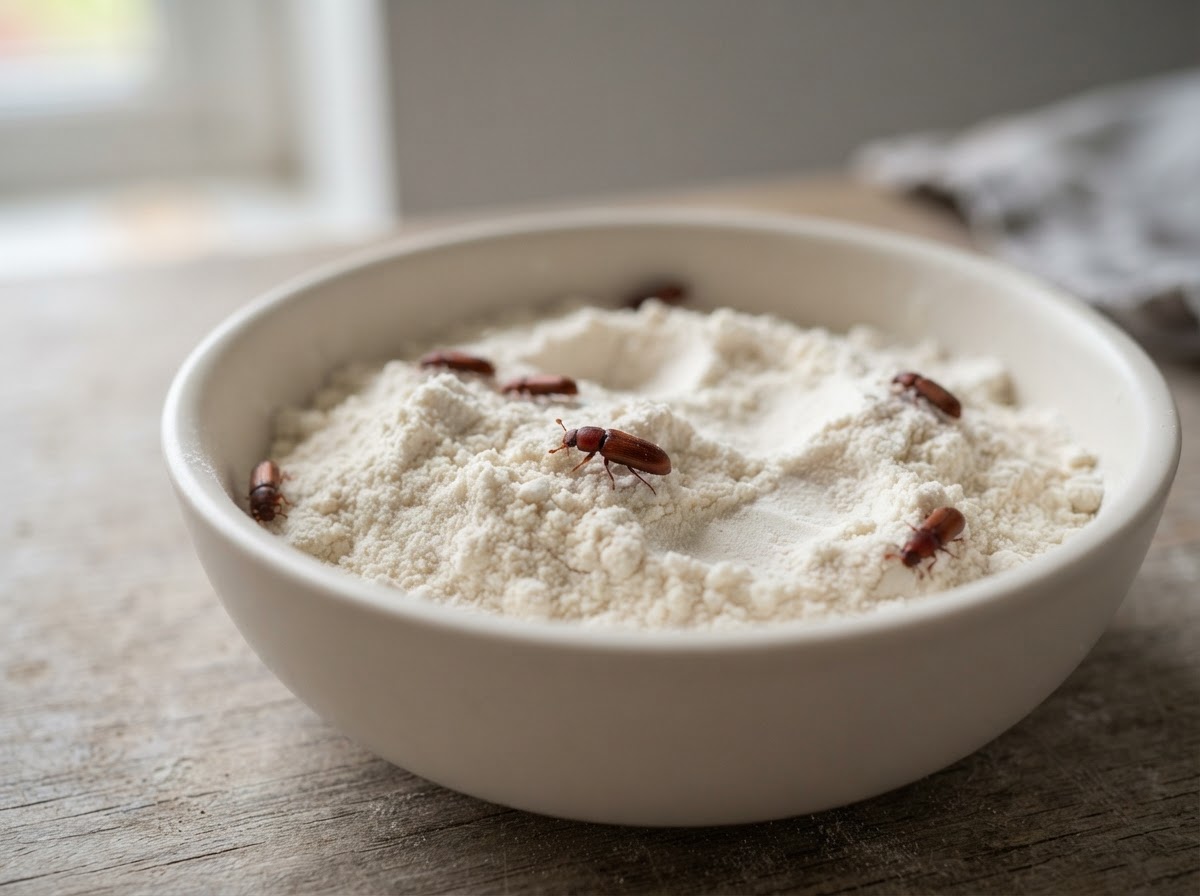
Flour beetles
Flour beetles are small insects associated with flour and other dry goods; activity in cupboards can make provisions unsuitable to keep.
See more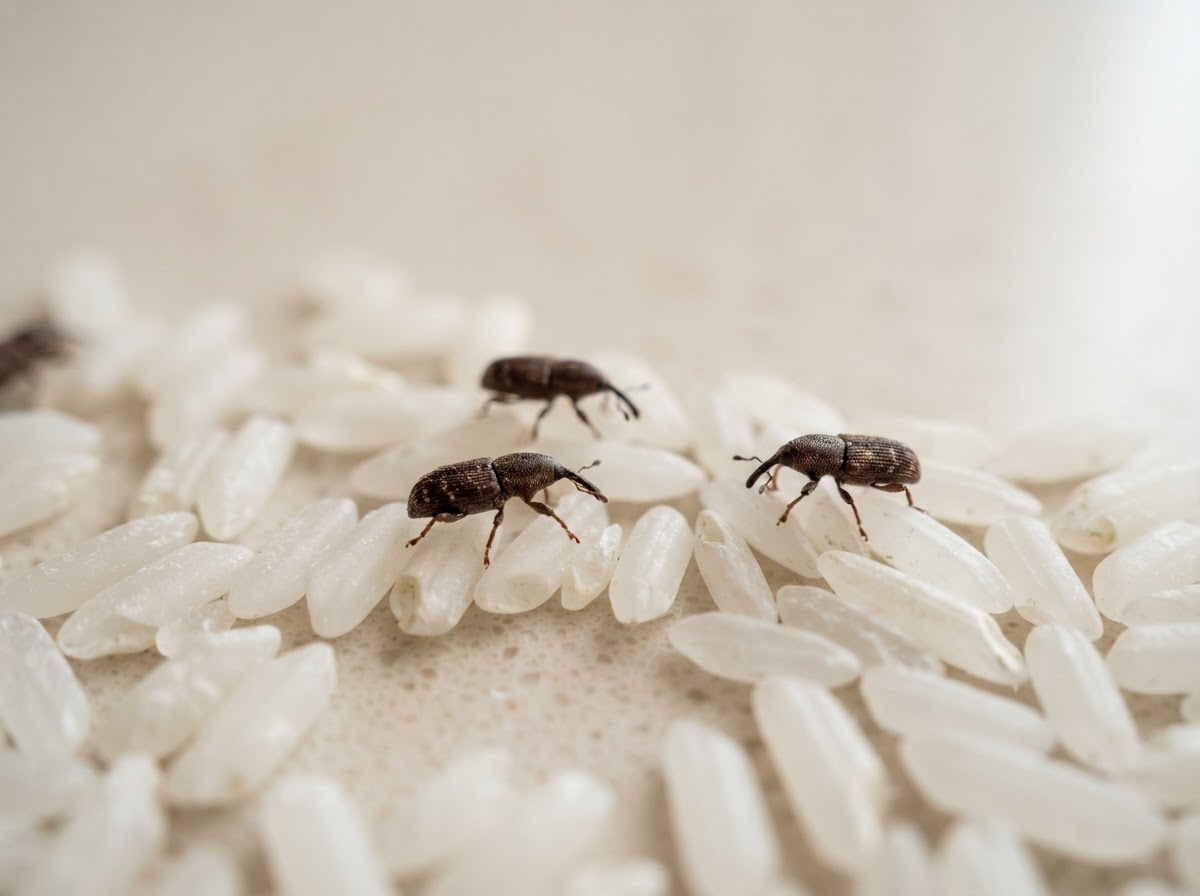
Weevils
Some weevils infest grains and dry provisions; adults in or near food packets can signal a source worth checking in cupboards or storerooms.
See more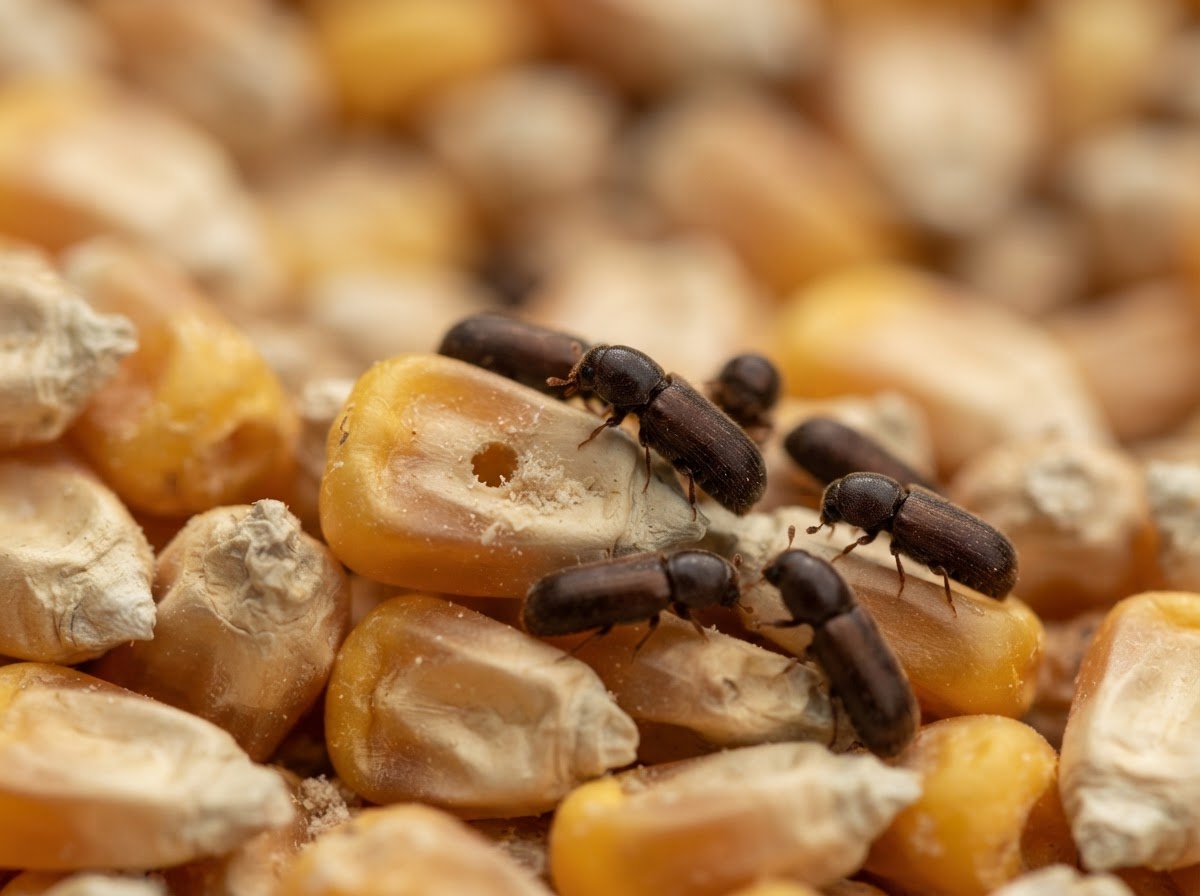
Grain borers
Grain borers are beetles that can infest stored cereal grains; damaged kernels or insects near sacks and packets may warrant inspection.
See more