
Lizards
Small lizards may be seen on walls, fences or near lights; species vary, so identification and exclusion advice should suit the situation.
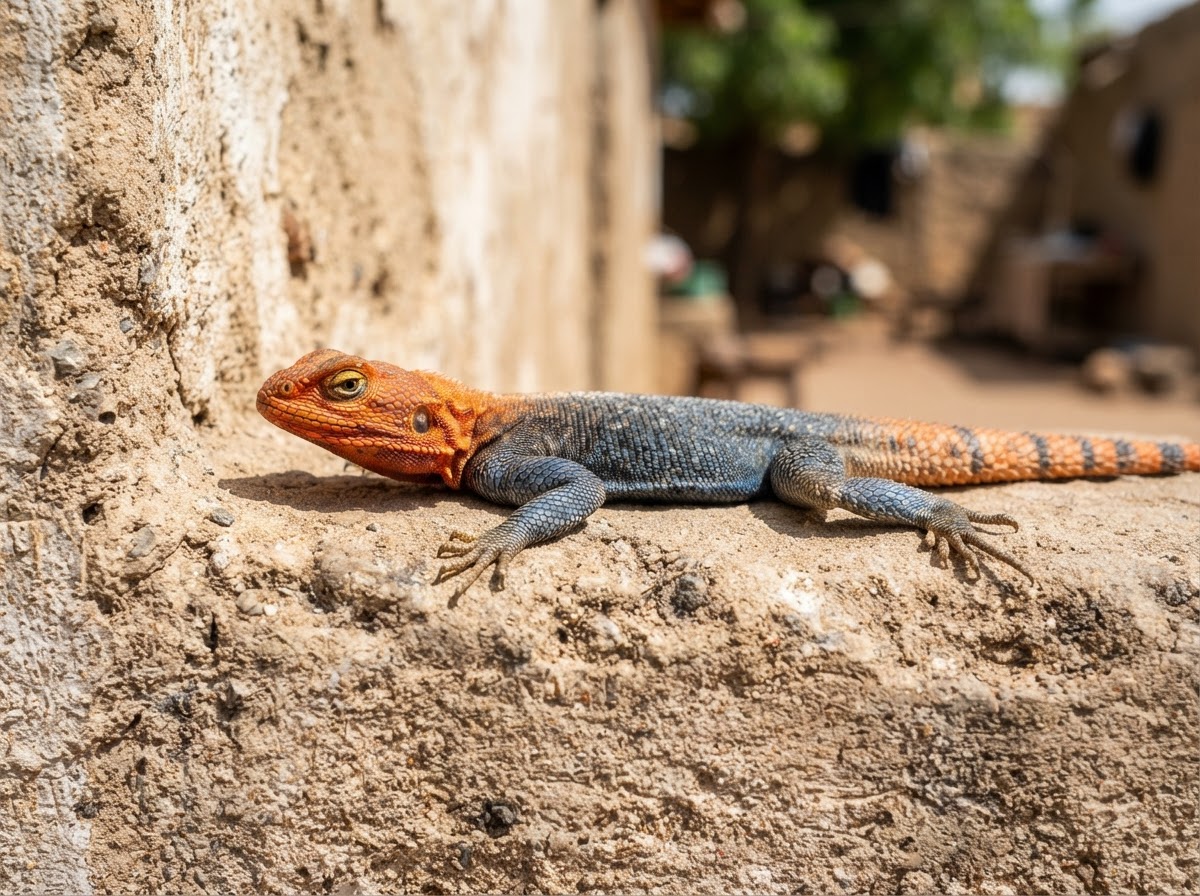
Small lizards in Ghana may include agama lizards seen by day and wall geckos seen after dark. Lizards vary in size, colour and habits, so a clear identification matters before advice is given. Some small lizards feed on insects. Around Accra homes and compounds, they may be seen on walls, fences, garden edges or near lights, where insects can gather.
Many are wary of people, and their presence outdoors can be part of ordinary wildlife around a property. Inside, concerns may include droppings, movement in kitchens or repeated sightings. A sighting alone does not establish that the building has damage or that every lizard presents the same issue. Crepps inspects the area, checks gaps and screens, and considers insect activity and lighting. We recommend exclusion and sensible cleaning, rather than spraying or poisoning lizards, then advise on prevention and check activity if needed.
Signs
Look for a lizard on a wall, fence or garden edge, or notice droppings near windows and kitchen areas. Some lizards are active by day, while geckos are often seen after dark. Note where and when sightings occur, but do not handle the animal to identify it.
Why it matters
Many small lizards are wary of people and some feed on insects, so an outdoor sighting may be part of ordinary wildlife around a compound. Indoors, droppings, repeated kitchen sightings or movement around food areas can be unwelcome. Different lizards have different habits, making identification useful.
The IPM approach
We inspect the area and identify the lizard as far as possible without handling it. We check entry gaps, screens, insects and lighting, then advise on sealing openings and reducing attractions. We focus on exclusion, safe cleaning and monitoring, never spraying or poisoning the animal.
Prevention
Seal gaps around doors, windows and service openings, and keep screens in good repair. Reduce insects around kitchens and lights, store food securely and clean droppings with ordinary hygiene precautions. Keep garden edges tidy, while avoiding direct contact with any lizard you find.
Worried about lizards?
Book an inspectionRelated pests
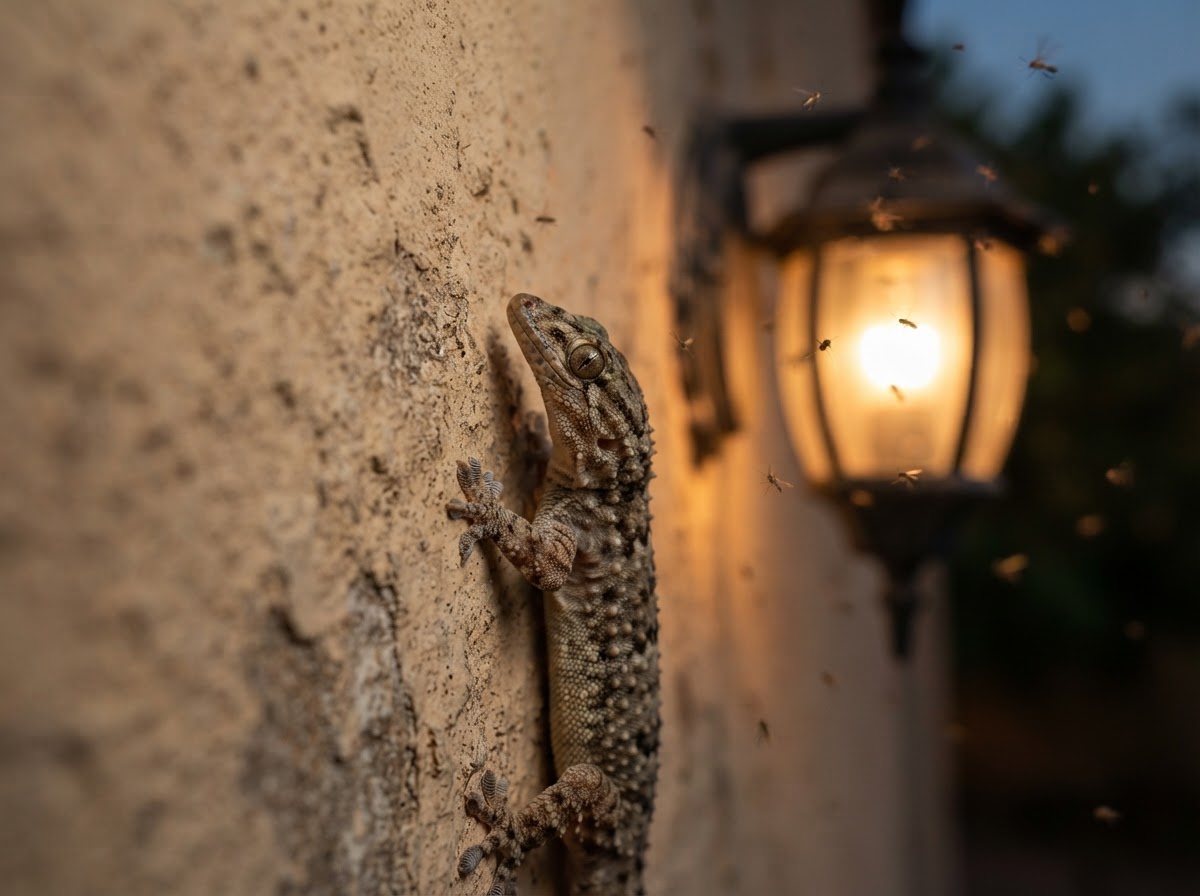
Geckos
Geckos often hunt insects near lights and may shelter on walls or ceilings; droppings and entry gaps can concern occupants.
See more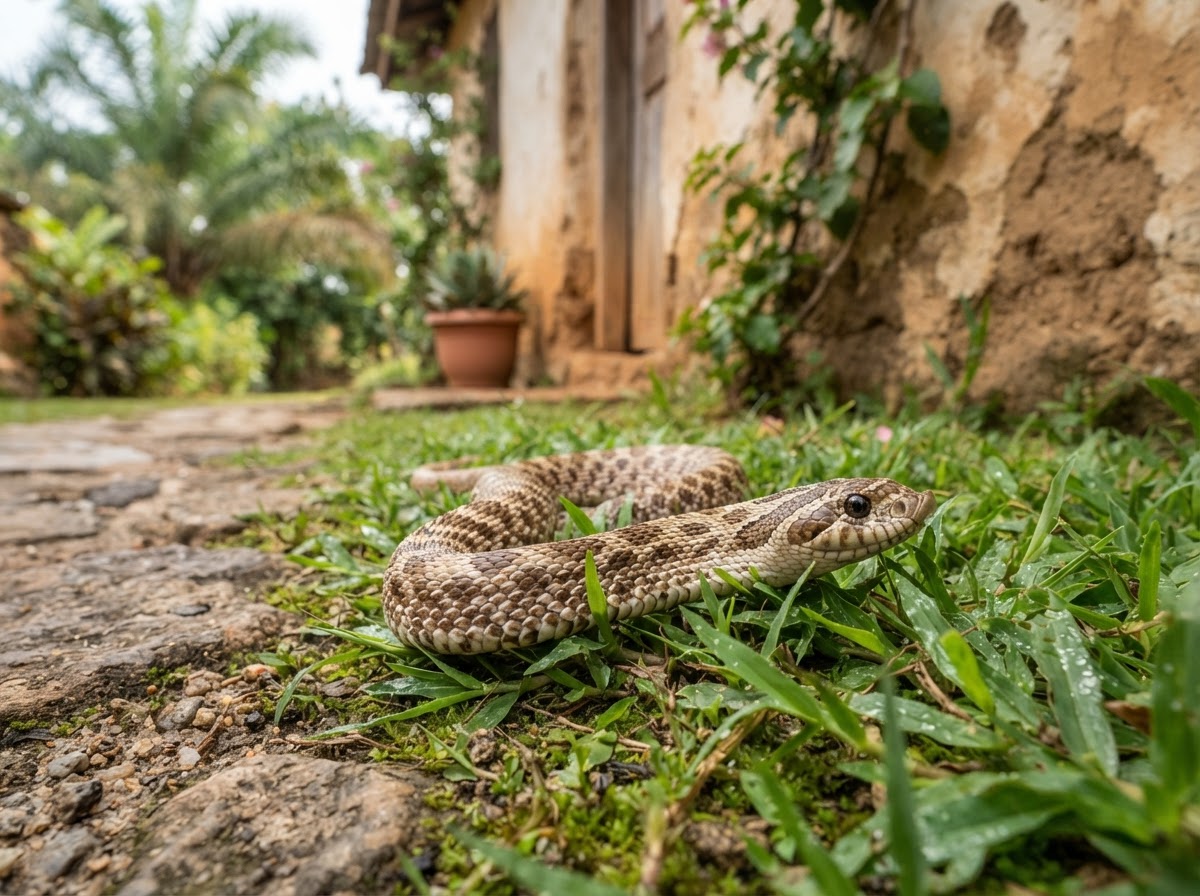
Snakes
Snakes may use sheltered areas or follow prey near buildings; keep away from any sighting and seek advice before considering lawful action.
See more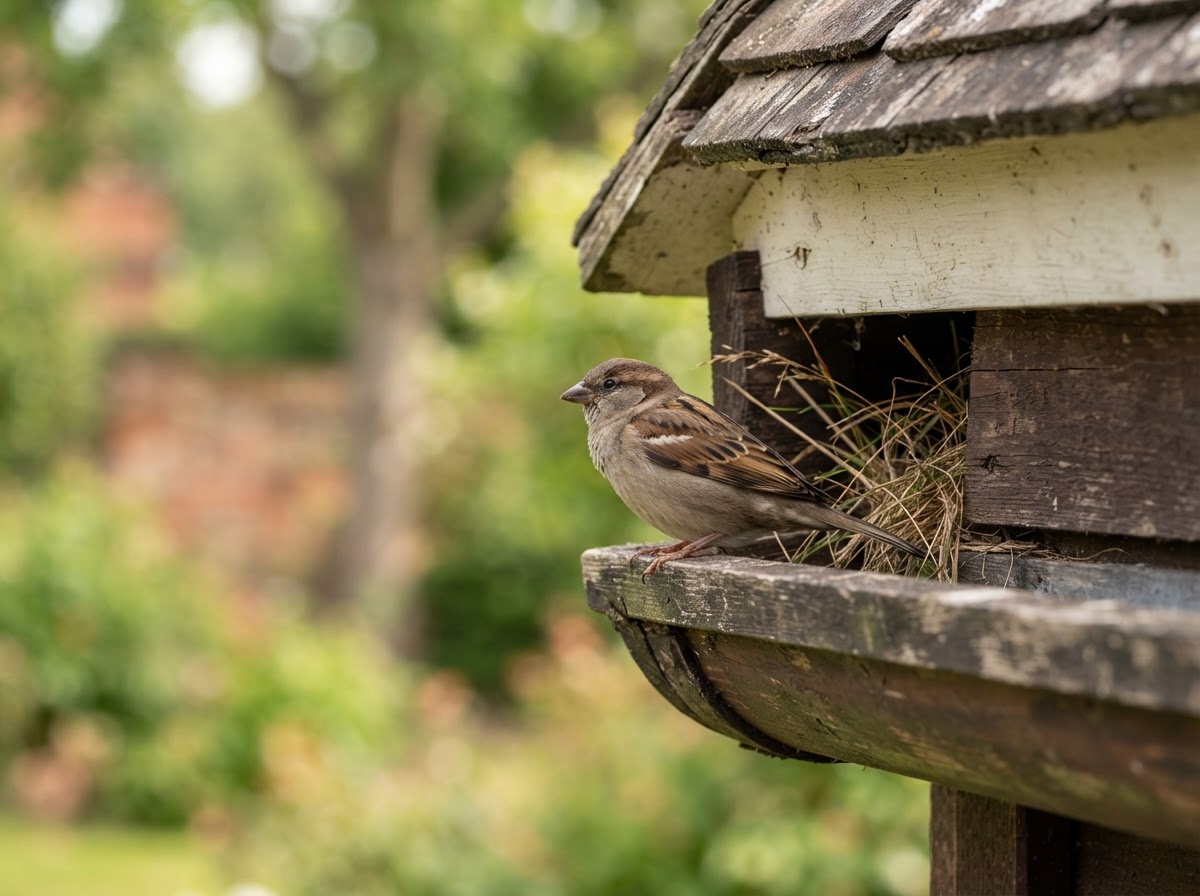
Other birds
Birds may nest or perch on buildings and compounds; species, nesting stage and location inform respectful advice and lawful options.
See more