
Mice
Mice enter buildings for food, water and warmth; small droppings, gnawing and scratching sounds can indicate activity needing assessment.
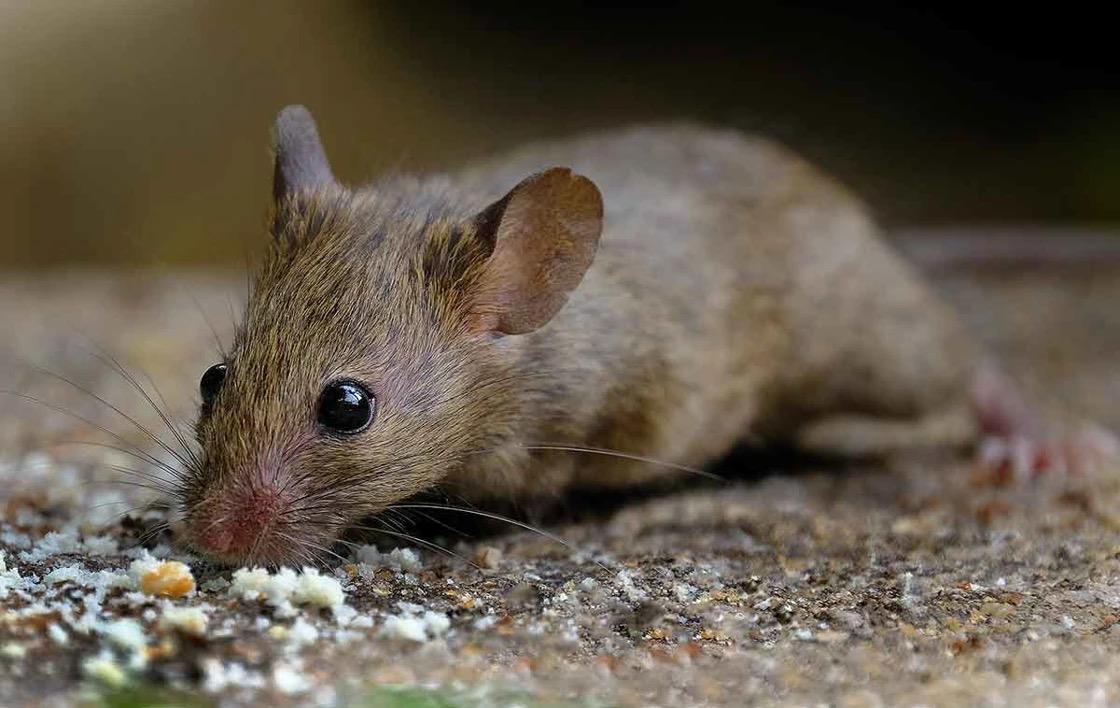
Mice are small rodents that can enter homes, shops, kitchens and stores in search of food, water and shelter. In Accra, they may travel along walls, pipes and cables, using gaps that look far too small to allow them through. Because they are active mostly at night and stay out of sight, the first clue is often a sound in the ceiling or a few droppings in a cupboard rather than the animal itself.
Mice breed quickly, so a small problem can grow if the way in and the food source are not dealt with. Crepps begins with an inspection to find where mice are active and how they are getting in, then explains what we found. Our IPM approach combines proofing, hygiene advice, monitoring and traps close to their runs, with rodenticides used only where needed and in tamper-resistant stations. We follow up to check activity, so the plan is based on what we find on your premises.
Signs
Look for small, dark droppings about the size of a grain of rice, small gnaw marks on packaging and food, and shredded paper or fabric used for nests. You may hear scratching in walls or ceilings at night, or notice a musty smell in enclosed spaces such as cupboards and storerooms.
Why it matters
Mice nibble many foods as they move and can contaminate stored provisions with droppings and urine, which may carry germs. They also gnaw cables, packaging and soft furnishings, and they breed quickly, so an unnoticed problem can grow.
The IPM approach
We find how mice are getting in, seal entry points and place traps close to their runs along walls, then monitor activity. Very small gaps are enough for them, so we check around pipes, doors, vents and cable entries. Rodenticides are used only where needed and in tamper-resistant stations.
Prevention
Seal gaps larger than a pencil width and close small gaps around pipes and cables. Keep food in sealed containers, clear crumbs, store boxes off the floor and keep clutter away from walls.
Worried about mice?
Book an inspectionRelated pests
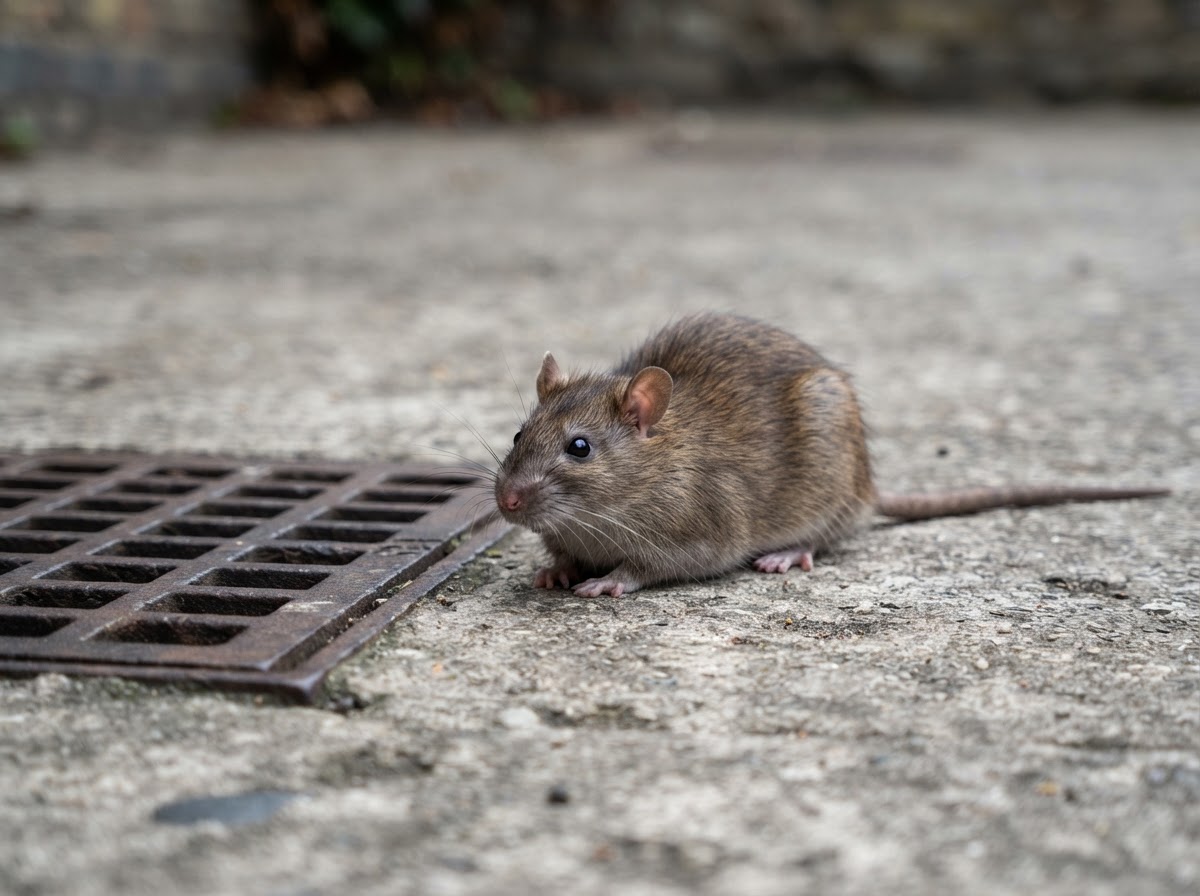
Rats
Rats seek food, water and shelter in and around buildings; larger droppings, gnawing, greasy marks and noises at night can indicate activity.
See more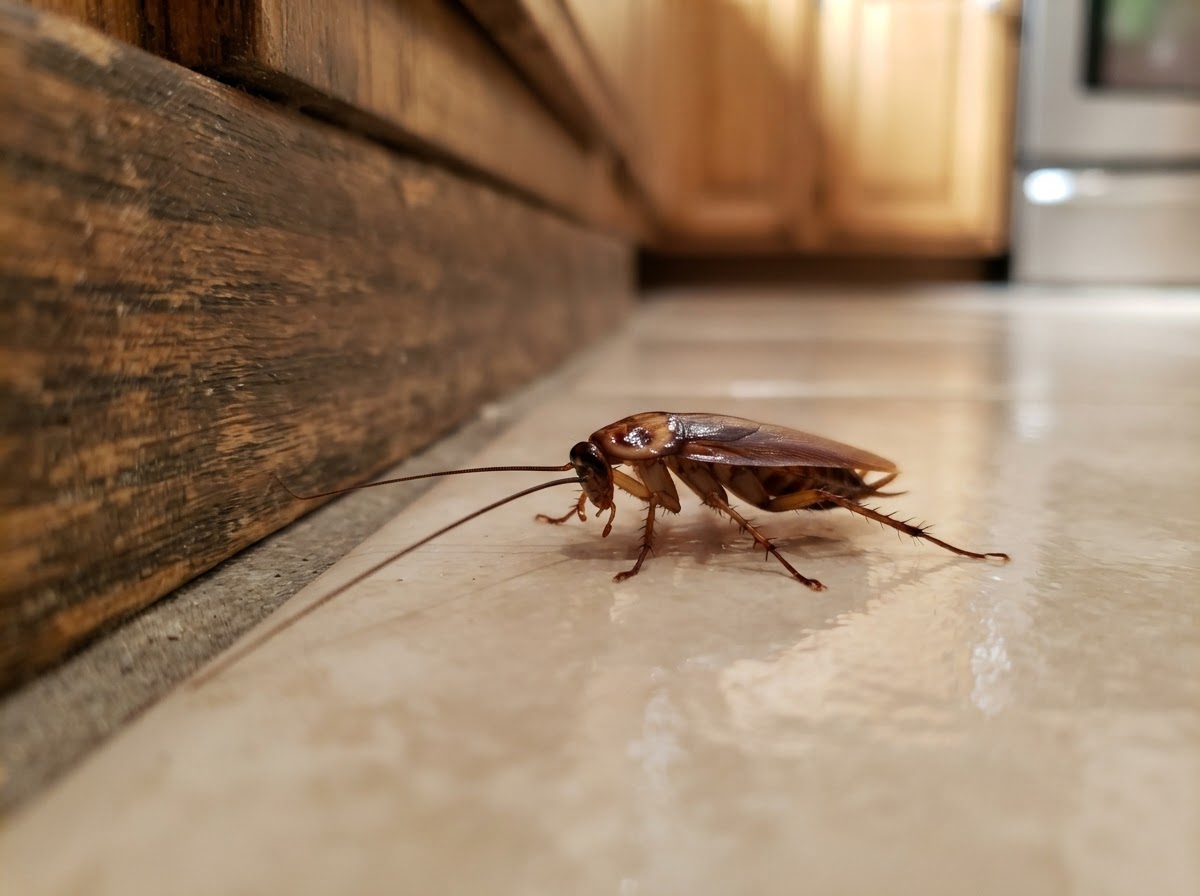
Cockroaches
Cockroaches shelter near warmth, food and moisture, often appearing in kitchens or service areas and raising hygiene concerns for Accra premises.
See more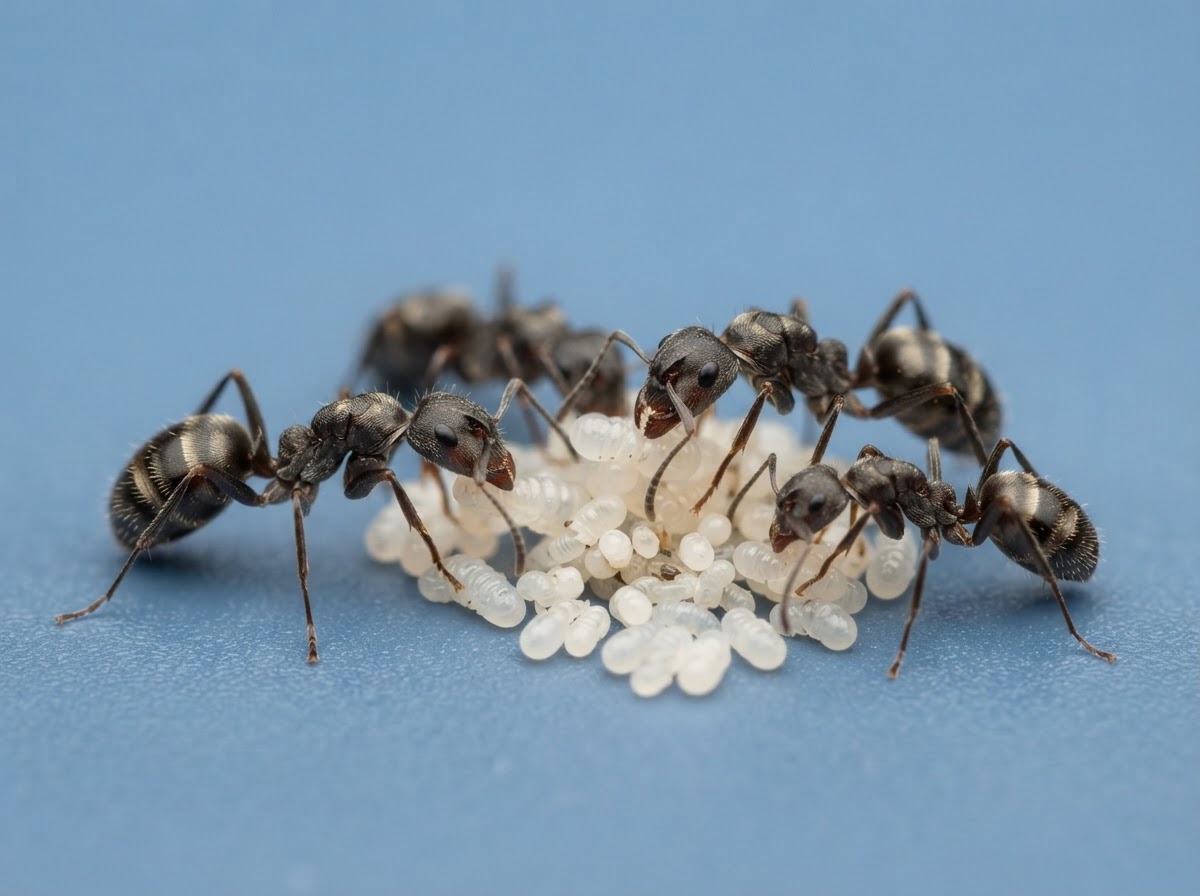
Ants
Ants form colonies and follow trails to food or water; indoors in Accra, they can become a nuisance around kitchens and stored provisions.
See more